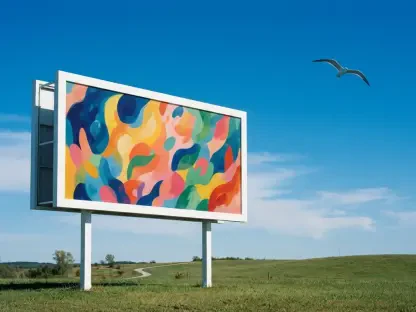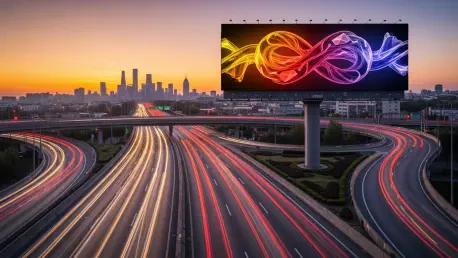
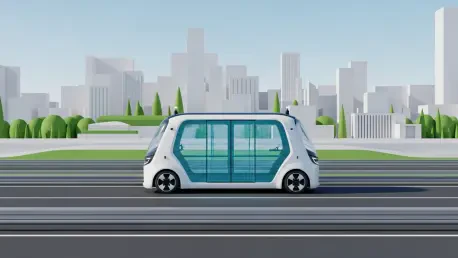
Urban landscapes are currently witnessing a silent but luminous revolution as everyday transport vehicles morph into hyper-connected broadcasting hubs that challenge the historical dominance of static billboards and traditional media. This evolution signifies a radical departure from the era of
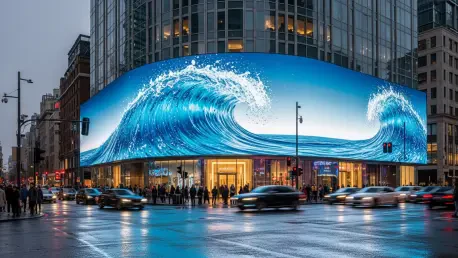
While the rapid expansion of digital ecosystems has systematically dismantled many pillars of traditional media, out-of-home advertising has managed to navigate these tumultuous waters with a surprising degree of resilience and sophistication. Unlike print magazines or broadcast television, which

The sheer density of digital noise in the current advertising landscape has created a paradox where the loudest voices are often the most easily ignored by an increasingly skeptical public. Amidst this chaotic environment, The Economist recently launched an expansive out-of-home advertising
The evolution of the urban landscape has quietly shifted from static architectural landmarks to a pulsing network of interactive screens that dictate the rhythm of modern consumer engagement. While digital fatigue plagues the personal device market, the physical world offers a unique canvas where

The global advertising landscape has reached a critical juncture where the ability to accurately quantify audience engagement across diverse physical environments is no longer a luxury but a fundamental requirement for brand survival. For decades, out-of-home advertising struggled with fragmented

The era where a successful email campaign was measured solely by its ability to bypass a basic spam filter has officially vanished in favor of a landscape where the depth of human engagement serves as the ultimate metric for brand sustainability. As inbox environments become increasingly crowded