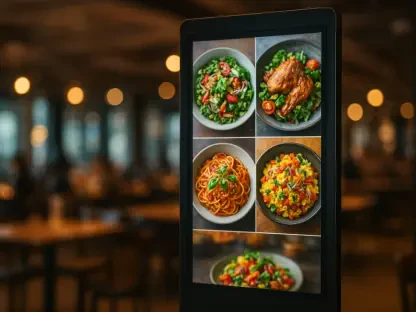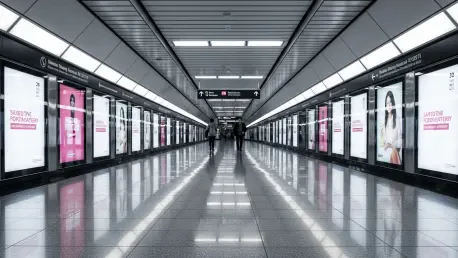

The sheer ubiquity of personal screens has paradoxically restored the prestige of the physical environment, making the skyline and the subway station the most vital stages for modern brand narratives. In the current media landscape, Out-of-Home (OOH) advertising has evolved from a medium of passive observation into a tool for active cultural participation. This transition reflects a deeper societal shift where consumers seek authenticity in the real world to counteract the ephemeral nature of digital content.
As urban environments become more dense and interconnected, the strategic value of physical advertising has never been higher. Brands that successfully integrate into the daily rhythm of a city do more than just display products; they claim a stake in the shared public consciousness. This legitimacy is particularly visible in high-traffic shopping districts and transit hubs where the presence of a message confers a level of institutional trust that private digital interactions often struggle to achieve.
The Expanding Footprint and Strategic Significance of Out-of-Home Media
The physical presence of billboards, street furniture, and place-based media creates a unique psychological impact that personal devices cannot replicate. While a mobile ad is a private experience, a large-format display in a city center is a communal event, fostering a sense of shared awareness among thousands of people simultaneously. This collective experience turns a simple promotion into a cultural touchstone, grounding the brand in the tangible reality of the consumer’s lived experience.
Major industry players have capitalized on this by investing heavily in the infrastructure of high-visibility zones, turning subway tunnels and airport terminals into curated brand corridors. These environments offer a captive audience and high dwell times, allowing for more complex storytelling than the split-second attention spans found online. The physical footprint of a campaign now serves as a primary indicator of a brand’s health and its commitment to participating in the public square.
Examining Market Dynamics and the Rise of Programmatic Creativity
Market dynamics are currently defined by the seamless fusion of hardware reliability and creative flexibility. The rise of programmatic buying has moved the industry away from static, long-term placements toward a model that values agility and specific audience triggers. This evolution allows advertisers to treat the physical world with the same precision as a digital auction, ensuring that the right message reaches the right demographic at the most impactful moment.
Consequently, the creative process has shifted to accommodate this newfound speed, emphasizing high-impact visuals that can be adapted across varying screen ratios and environmental contexts. The focus remains on bridging the gap between brand identity and local relevance, ensuring that large-scale campaigns do not feel anonymous or disconnected from the people they target.
Technological Influences and the Shift Toward Real-Time Contextualization
The transition from static paper displays to Digital Out-of-Home (DOOH) has unlocked the potential for real-time contextualization. By utilizing data triggers such as live weather reports, traffic conditions, and the outcomes of sporting events, brands can now adjust their messaging within seconds. This capability shifts the advertising paradigm from mere reactivity to deep relevance, where a message feels like a natural response to the immediate environment.
However, the true innovation lies in moving beyond simple trend-jacking to establish an authentic brand presence within local conversations. Sophisticated creative strategies now leverage these technological tools to speak to the specific mood of a city, whether that involves celebrating a local victory or providing a humorous distraction during a rainy commute. Technology provides the delivery mechanism, but cultural insight remains the primary driver of engagement.
Performance Metrics and Forecasts for the Global Advertising Sector
Current market spending indicates a robust upward trajectory for DOOH, which now claims a significant and increasing share of the total advertising mix. Growth is being driven by improved attribution modeling that can finally quantify the relationship between a physical ad exposure and a subsequent digital purchase or store visit. These metrics have validated the medium’s role as a powerful mid-to-lower funnel driver, rather than just a tool for broad brand awareness.
Performance indicators suggest that the strongest consumer recall is associated with campaigns that align closely with cultural sentiments. Economic forecasts for 2026 and 2027 point toward a period of sustained investment as brands recognize the efficiency of reaching large, diverse audiences in a single, high-impact location. This data-backed confidence is encouraging even smaller, digitally native brands to move into the physical space to diversify their reach.
Overcoming Operational Obstacles and the Pitfalls of Superficial Engagement
Despite the advantages of high-tech displays, brands face the significant risk of forced participation in viral trends that do not align with their core values. Consumers have developed a keen eye for authenticity and are quick to dismiss brands that attempt to hijack a cultural moment without a genuine reason to be there. Maintaining a consistent voice while trying to be timely requires a level of restraint and strategic discipline that many organizations find difficult to master.
Operationally, synchronizing real-time data across diverse hardware networks remains a technical challenge. Fragmentation in audience attention between their smartphones and the physical displays around them means that OOH content must be immediately arresting to succeed. Ensuring that a campaign maintains message consistency while being tailored to the specific cultural nuances of different neighborhoods is an ongoing hurdle for global marketing teams.
Compliance, Privacy, and the Evolving Legal Landscape of Public Displays
Data privacy regulations have significantly altered the landscape of audience measurement and facial recognition technology. Industry standards now prioritize anonymous aggregation over individual tracking, ensuring that consumer privacy is respected in shared public spaces. Brands must navigate a complex web of local and international laws to ensure that their data collection methods do not erode the public trust they are trying to build.
Municipal zoning laws and environmental sustainability mandates are also playing a larger role in the design and placement of physical signage. There is a growing demand for displays that are energy-efficient and aesthetically integrated into the urban fabric rather than being seen as visual pollution. Self-regulatory bodies have become essential in maintaining ethical advertising practices and ensuring that content remains appropriate for all demographics present in a public square.
The Future of OOH: Predictive Intelligence and Year-Round Cultural Integration
The next phase of growth involves a shift from targeting big, unified events to continuous engagement with niche subcultures. Predictive intelligence is allowing brands to anticipate shifts in consumer sentiment before they go viral, enabling a more proactive approach to cultural integration. Emerging technologies like augmented reality are turning static billboards into portals for deeper, interactive brand experiences that blend the physical and virtual worlds.
OOH is also becoming a fundamental component of the smart city ecosystem, where advertising screens serve as multi-functional hubs for public information and transit updates. By utilizing AI-driven sentiment analysis, these displays can mirror the emotional state of a community, offering content that resonates on a more empathetic level. This integration ensures that advertising contributes to the utility and character of future urban planning projects.
Key Takeaways and Investment Prospects in the Era of Cultural Connectivity
The analysis demonstrated that the transition of OOH from a visibility medium to a reflection of societal values established a new standard for advertising efficacy. The report found that brands prioritizing depth of cultural insight over the mere speed of technological execution achieved far greater long-term resonance with their audiences. It was observed that the most successful strategies integrated brand narratives into the everyday lives of consumers, rather than relying on isolated, high-cost events.
Strategic recommendations identified the necessity for brands to view the public square as a primary site for building social equity. Investment prospects remained strong for those who leveraged programmatic agility to address local nuances while maintaining a consistent global identity. Ultimately, the industry moved toward a model where meaningful presence was valued more than simple reach, proving that the future of advertising was anchored in the authentic cultural connection between a brand and its community.