
Dubai’s rapid urban expansion has transformed its physical identity into a premium canvas for global brands, yet the structural backbone of this industry is only now reaching its full maturity. A central challenge for the regional advertising industry remains the lack of standardized measurement, prompting calls for a unified sector data hub to ensure advertiser confidence. Mansoor Al Sabahi, the CEO of Mada Media, has been vocal about the necessity of this evolution, arguing that the future of Out-of-Home (OOH) advertising in the emirate depends on a sophisticated blend of transparency and technological integration. As the city continues to flourish as a global destination for luxury, finance, and innovation, the advertising sector must move beyond traditional billboard placements. The current strategy involves aligning all commercial assets with broader urban goals like the Dubai Economic Agenda (D33) and the Dubai 2040 Urban Master Plan, ensuring that every digital screen or physical billboard serves as a pillar for long-term economic diversification rather than just a temporary marketing tool.
The organizational mandate for Mada Media focuses on creating an environment where growth is predictable and data-driven, providing a stable foundation for both local startups and multinational corporations. By treating the city’s surfaces as high-value investment assets, the region is pioneering a model that balances aggressive commercial goals with the aesthetic needs of a world-class metropolitan environment. This transition from a decentralized market to a regulated ecosystem is designed to enhance the value of the advertising inventory while protecting the visual integrity of the city. As business activity reaches new heights, the need for professionalized standards has never been more pressing. The current objective is to ensure that the outdoor advertising landscape is not just a byproduct of urban growth but a proactive driver of economic value that mirrors the sophistication of the emirate’s world-class infrastructure.
Governance and Strategic Market Growth
How Does Mada Media Ensure Market Confidence?
The primary objective of Mada Media is to unlock the latent potential of the outdoor market by establishing a framework defined by predictability and transparency. By serving as a critical bridge between government urban planning departments and private-sector commercial ambitions, the organization fosters an environment that attracts sustained local and international investment. This governance model is strategically designed to move away from historical market fragmentation toward a unified and professional standard that rewards innovation and reliability. When advertisers can rely on a stable regulatory framework, they are more likely to commit to long-term campaigns that contribute to the overall economic stability of the region.
Market confidence is further bolstered by the implementation of clear guidelines regarding asset management and contract transparency. Mada Media works to ensure that the competitive landscape remains fair and accessible, allowing for a diverse range of market participants to thrive. This structured approach helps mitigate the risks associated with rapid urban development, providing a clear roadmap for investors who wish to participate in the city’s growth. By prioritizing a transparent ecosystem, the organization ensures that the Out-of-Home sector remains a vital and trusted component of the broader marketing mix, capable of competing with global benchmarks in terms of efficiency and professional integrity.
Why Prioritize Asset Quality Over Quantity?
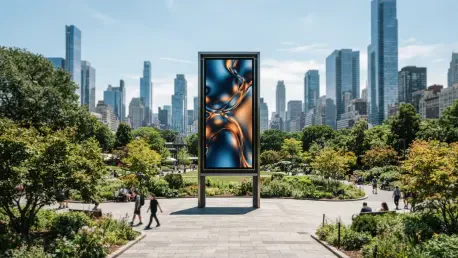
Al Sabahi emphasizes a decisive shift from high-volume saturation to a “right asset in the right location” philosophy that redefines the value of urban visibility. Rather than cluttering the urban landscape with an excessive number of displays, the focus is on maximizing the specific impact and value of each billboard for investors and residents alike. This selective approach protects the city’s unique visual appeal, ensuring that outdoor advertising contributes to city beautification efforts while maintaining its status as a premium commercial medium. By limiting the number of assets, Mada Media effectively creates a sense of exclusivity and high value, which in turn drives better results for brands that secure these prime locations.
This commitment to quality over quantity also addresses public concerns regarding visual pollution and safety. Every asset is carefully evaluated for its architectural integration and its impact on the surrounding environment, ensuring that the advertising structures complement the modern design language of the city. This strategy not only preserves the aesthetic value of key districts but also enhances the effectiveness of the advertisements themselves, as they are no longer competing for attention in a crowded and chaotic visual environment. The result is a more harmonious urban experience where high-impact commercial messages coexist with the city’s sophisticated landscape, creating a win-win scenario for both the public and the private sector.
Digital Transformation and Data Innovation
What Drives the Shift to DOOH?
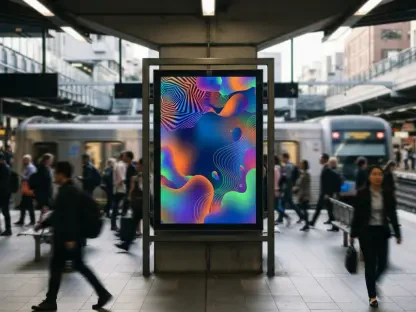
A core pillar of the ongoing transformation is the aggressive digitalization of physical assets, a process that has moved at an impressive pace with the conversion of 222 major billboards into digital formats. However, true Digital Out-of-Home (DOOH) excellence involves more than just the installation of high-resolution screens; it requires a fundamental rethink of how media is bought and sold. The adoption of programmatic buying, known as prDOOH, allows marketers to manage their campaigns with the same level of agility and precision typically found in online advertising. This shift enables brands to launch real-time updates and tailor their messaging to specific audience segments based on the time of day or immediate environmental triggers.
The digitalization process also facilitates a more dynamic and responsive advertising environment, where content can be optimized on the fly to improve engagement rates. By leveraging state-of-the-art screen technology and robust connectivity, Mada Media provides advertisers with a platform that is both visually stunning and technologically advanced. This evolution is essential for attracting tech-savvy brands that demand high levels of accountability and creative flexibility. As the city moves toward a digital-first future, the transition to DOOH ensures that the outdoor advertising sector remains at the forefront of global trends, offering a level of sophistication that matches the expectations of modern consumers and sophisticated marketing agencies.
How Will Data Hubs Improve Measurement?
To address the historical lack of standardized metrics in the outdoor sector, the industry is advocating for a unified sector data hub that functions as a single source of truth. This hub is designed to offer independently verified insights into demographics, dwell time, and contextual factors such as traffic patterns and localized weather conditions. By centralizing this information, the industry can provide a level of transparency that was previously impossible, allowing advertisers to see exactly who is viewing their content and for how long. This move toward data-led decision-making is crucial for moving OOH from a secondary media choice to a primary driver of marketing strategy.
The ability to correlate exposure with tangible business outcomes, such as increased store footfall or digital sales, allows the sector to be compared fairly against digital and social media channels. When brands can see the direct link between a specific outdoor asset and a rise in consumer activity, the perceived value of the medium increases significantly. This level of accountability is what will ultimately drive larger budget allocations toward the outdoor sector. By providing a clear and accurate picture of ROI, the unified data hub empowers advertisers to refine their strategies and maximize the impact of their spend, ensuring that every campaign is backed by solid evidence rather than just estimates of reach and frequency.
Urban Integration and Future Technologies
How Is Infrastructure Shaping Brand Integration?
As the geographic footprint of the emirate expands, the advertising strategy is moving beyond traditional high-traffic corridors to integrate seamlessly into new transportation networks and community centers. A prominent example of this forward-thinking approach is the upcoming Dubai Metro Blue Line project, which presents unique opportunities for brands to engage with commuters through naming rights and long-term associations. By embedding advertising into the daily transit experience, companies can build deeper and more lasting connections with a captive audience. This strategy allows advertisers to grow alongside the city, capturing early-mover advantages in emerging urban areas that are set to become the next hubs of activity.
The integration of brand messaging into essential public infrastructure also serves to enhance the commuter experience by providing useful information alongside commercial content. This approach ensures that the advertising remains relevant and non-intrusive, becoming a natural part of the urban fabric. As new residential and business districts take shape, the strategic placement of advertising assets within these communities helps to establish a sense of place and identity. Mada Media’s focus on infrastructure ensures that the OOH sector is not an afterthought but a primary consideration in the planning of the city’s future, allowing for a more cohesive and impactful brand presence across the entire metropolitan area.
What Role Does AI Play in OOH?
The future of the sector relies heavily on Artificial Intelligence and real-time data to transition outdoor media from a passive channel into an interactive component of the smart-city ecosystem. AI-driven analytics are now being used to provide surgical precision in measuring return on investment, helping brands understand complex consumer behaviors with unprecedented clarity. Furthermore, the automation of booking and scheduling workflows streamlines operations for agencies and media owners, making the process of launching a campaign as efficient as managing a digital search or social media account. This technological leap ensures that the medium remains competitive in an increasingly fast-paced marketing environment.
In the context of a smart city, digital screens can serve a dual purpose by delivering high-value commercial content alongside essential public service information, such as traffic alerts or emergency updates. This integration ensures that the advertising network provides genuine utility to the public, increasing its social value and acceptance. By using AI to analyze real-time environmental data, screens can automatically adjust their content to be more relevant to the current situation, such as promoting umbrellas during a rare rain shower or cooling products during a heatwave. This level of responsiveness transforms outdoor advertising into a truly “smart” medium that anticipates and reacts to the needs of the city’s inhabitants in real time.
Realizing the Blueprint for Urban Commercial Excellence
The strategic shift led by Mada Media established a new paradigm where commercial interests and urban aesthetics were no longer in competition. By prioritizing high-quality digital assets and standardized data, the organization successfully attracted a new wave of international investment into the emirate. The integration of advertising into major infrastructure projects, such as the metro expansion, provided brands with unprecedented access to diverse consumer segments while contributing to the city’s overall beautification. Ultimately, the industry moved toward a more accountable and transparent model that balanced technological innovation with public utility. Stakeholders were encouraged to view outdoor media not just as a marketing channel, but as an essential component of the smart-city vision that defined the region’s economic progress.
Moving forward, the industry should focus on the continued expansion of programmatic capabilities to ensure that local assets remain competitive on the global stage. Advertisers are advised to leverage the new data hub to refine their targeting strategies, moving away from broad-reach tactics toward more nuanced, demographic-specific engagements. Furthermore, the collaboration between media owners and urban planners must be deepened to ensure that future technological advancements, such as augmented reality integrations, are rolled out in a way that respects public space. By maintaining a focus on transparency and quality, the sector will continue to serve as a vital engine for growth, proving that responsible management and commercial success are inherently linked in the modern urban landscape.