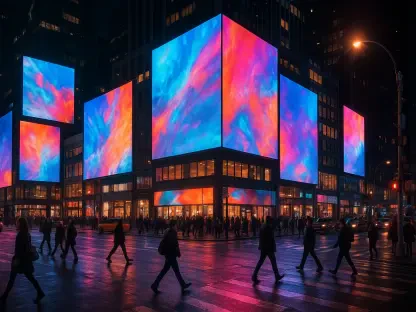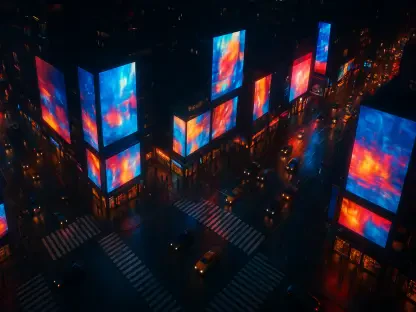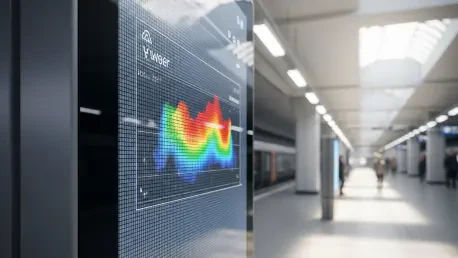

The rapid integration of programmatic technology into the physical advertising space has reached a critical mass where fragmentation is finally yielding to a more interconnected and collaborative global ecosystem. Historically, the Out-of-Home (OOH) industry operated in fragmented silos, with media
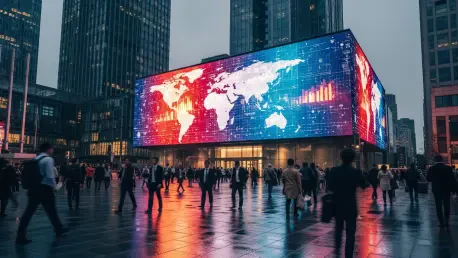
The rapid metamorphosis of Chinese enterprises into formidable global icons is currently being accelerated by a sophisticated fusion of real-world physical presence and advanced algorithmic precision. This strategic shift marks a definitive departure from the high-frequency, low-margin performance

Drivers navigating the heavily trafficked I-880 corridor in Oakland are currently met with a towering digital image of District 7 Councilmember Ken Houston, framed by the self-styled moniker “Son of Oakland” in a display that blends civic presence with high-impact private marketing. Although
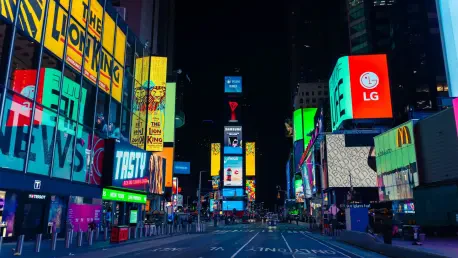
The culinary landscape of urban environments has shifted dramatically as food trucks evolved from simple convenience stops into high-end mobile eateries requiring sophisticated marketing strategies to survive. In the current market, the standard vinyl-wrapped vehicle often fades into the background
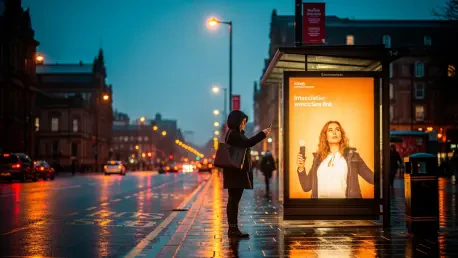
The traditional boundary separating the physical streets of major British cities from the digital storefronts on a smartphone has effectively vanished as recent data suggests that nearly two-thirds of adults now take immediate online action after seeing an out-of-home advertisement. Whether waiting
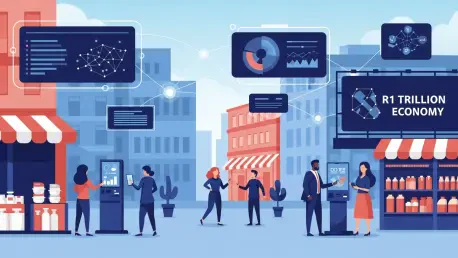
The sheer vibrancy of the South African township economy has evolved far beyond the limits of simple roadside posters, demanding a strategy that mirrors the complex heartbeat of these high-growth zones. Modern industry leaders recognize that visibility alone fails to capture the attention of a