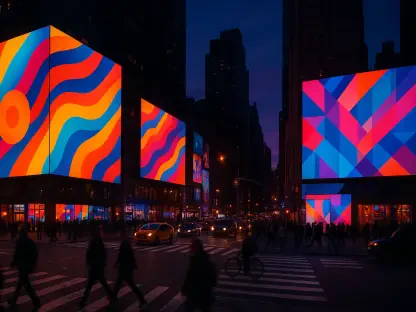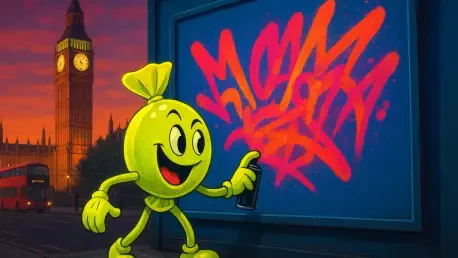

To resonate with Gen Z and Millennial audiences, the brand is leveraging a sense of humor that breaks traditional marketing rules through cartoonish and chaotic visuals. This extensive Out-of-Home initiative, orchestrated by a collaborative team of creative and media agencies, leverages the product’s inherent duality—the transition from sour to sweet—to create a mischievous and highly engaging public presence within the United Kingdom market. By moving beyond traditional advertising and into the realm of special-build installations and interactive storytelling, the brand has successfully translated a digital-first personality into the physical world. The core of this campaign is the brand platform which serves as the psychological and creative anchor for all executions. This platform leans heavily into the subversion of consumer expectations, using bright colors to mask chaotic intent. This tension between appearance and behavior remains the primary driver of the campaign’s humor and memorability across major metropolitan hubs during this high-impact rollout.
Strategic Foundation of Brand Duality
The primary driver of the campaign is the strategic subversion of expectations based on the brand’s unique product characteristics. While the characters are designed with bright colors and soft, rounded shapes that suggest innocence and sweetness, their actions tell a different story altogether. In an oversaturated confectionery market, brands often compete primarily on flavor profiles or appetite appeal, yet this campaign chooses to differentiate through character-driven narrative. By characterizing the candy as a group of playful troublemakers, the brand establishes a relatable and entertaining identity that resonates deeply within the modern cultural zeitgeist. These demographics tend to favor brands that exhibit a sense of humor and a willingness to break traditional marketing constraints, viewing the interaction as entertainment rather than an intrusion. This approach transforms the product from a simple snack into a participant in a larger, ongoing comedic narrative that challenges standard conventions.
The shift toward personality-focused marketing represents a broader trend in how modern brands engage with audiences in 2026. Instead of listing ingredients or taste benefits, the campaign focuses on the emotional experience of the product’s transition from sour to sweet. This mischievousness is not just a gimmick; it is a consistent brand voice that permeates every touchpoint, from social media interactions to physical billboards. By positioning the characters as rebels, the brand creates a sense of in-group belonging for consumers who appreciate wit. This strategy effectively bypasses the skepticism often directed toward corporate messaging by leaning into self-awareness and absurdity. The result is a marketing campaign that feels like a conversation or a prank shared with the audience, fostering a level of brand loyalty that transcends transactional relationships and positions the candy as a lifestyle choice. It establishes a narrative that consumers want to follow, rather than one they want to skip for the next few years.
Innovative Use of Physical Advertising Space
The most distinctive element of this campaign is its use of special-build Out-of-Home sites that utilize 3D elements and physical modifications to make the media itself part of the joke. Unlike standard paper-and-paste billboards, these installations are designed to disrupt the visual landscape of urban centers like London and Bristol. The production of these sites involves creating the illusion that the characters are physically interacting with the structural components of the advertisement or even the surrounding environment. This breaks the fourth wall of outdoor advertising, turning static billboards into a dynamic stage for brand storytelling. This physical presence is crucial for capturing the attention of commuters who are often overwhelmed by digital noise. By occupying physical space in a tactile way, the campaign forces a momentary pause in the daily routine of passersby, encouraging them to look closer at the chaotic scene unfolding before them and rewarding that attention with a clever punchline.
A primary example of this physical disruption is the execution featuring a neighboring OREO poster. In several high-traffic locations, the Sour Patch Kids are depicted as physically destroying or interfering with an adjacent advertisement for the iconic cookie brand. This is not merely a visual gag; it is a physical manifestation of a long-standing rivalry between the two brands that was born on social media platforms like TikTok and Instagram. By bringing this roast-heavy, playful banter into the real world, the campaign rewards fans who follow the brands online while providing a striking visual for newcomers. The interaction suggests that the brand characters exist in a shared universe, making the marketing feel more alive and unpredictable. This cross-brand interaction serves as a powerful reminder that modern advertising can be collaborative and community-driven, even when the interaction appears to be antagonistic, creating a memorable moment that social media users are likely to share.
Extending Narrative Through Digital Channels
While the special-builds act as the campaign’s hero moments, the narrative is extended nationwide through digital assets that introduce motion to further emphasize the characters’ aggressive playfulness. These digital executions maintain the same mischievous tone but utilize high-energy scenarios to capture attention on moving screens in transit hubs and shopping centers. Key creative scenarios include a character-driven tug of war where a Sour Patch Kid is pulled in two directions until it appears to snap, reinforcing the brand’s sour edge through cartoonish chaos. Another sequence features an aggressive tennis match that is far more intense and destructive than one would expect from a confectionery mascot. These animations are designed to be fast-paced and rhythmic, ensuring that the brand’s energy is conveyed even to those who only catch a fleeting glimpse while walking or driving through the city, providing a consistent experience across both static and digital formats.
The digital elements are characterized by a bold, minimalist aesthetic that prioritizes high levels of glanceability, a critical metric in modern outdoor advertising where viewers have only a few seconds to process a message. The use of vibrant yellow backgrounds ensures that the advertisements are instantly recognizable from a distance, even in busy or visually cluttered urban environments. By keeping the copy to a minimum and letting the visual actions of the characters do the heavy lifting, the campaign achieves a universal appeal that transcends language barriers. This strategy reflects an understanding of how modern consumers process information; they prefer visual storytelling over dense text. The simplicity of the sour then sweet message is perfectly encapsulated in these short, punchy animations, making the brand identity impossible to miss for the millions of people who encounter these digital screens throughout their daily commutes and leisure activities in the city.
Strategic Collaboration and Execution
The success of this multifaceted campaign is the result of a highly coordinated effort among several industry-leading agencies, including VCCP, Girl&Bear, and St Marks Studio. Each partner brought a specific set of skills to the project, from overarching strategic direction to the technical challenges of building physical interactions for the special-build sites. This collaboration ensured that the mischievous tone remained consistent across different mediums, whether it was a digital animation or a physical construction. The media planning and buying, handled by Publicis POP30, identified high-impact locations to maximize reach among the target demographics, ensuring the campaign was seen where it mattered most. This integrated approach allowed the brand to execute a complex narrative across various platforms without losing the core message, demonstrating the importance of agency alignment in creating a cohesive and impactful brand experience that feels seamless.
One of the most successful aspects of this campaign is its ability to synthesize different marketing channels into a unified voice, effectively bridging the gap between social media and the streets. For years, the brand has cultivated a snarky online persona, frequently engaging in humorous back-and-forth exchanges with other companies and followers. This initiative represents a seamless transition of that digital behavior into a physical format, proving that a brand’s personality can exist outside of a smartphone screen. It demonstrates a sophisticated understanding of cross-platform synergy; rather than creating a separate concept for outdoor media, the brand used the street as an extension of its digital feed. This consistency ensures that the brand remains authentic to its established voice regardless of where the consumer encounters it, building a sense of continuity that is essential for long-term brand equity and consumer trust in an increasingly fragmented media landscape.
Future Considerations and Actionable Insights
The campaign demonstrated that modern marketing must transcend traditional boundaries by embracing personality-led storytelling and physical innovation. By utilizing special-builds to create tangible interactions and leveraging a pre-existing social media rivalry, the brand successfully cut through the noise of conventional advertising. This approach proved that in a physical environment, simple visual jokes and bold color palettes are far more effective than complex messaging or high-concept copy. Marketers should consider how their digital personas can be manifested in the real world to create a more immersive and memorable consumer experience. The result of these efforts was a campaign that didn’t just ask people to buy candy; it invited them to participate in a larger, ongoing cultural moment. Future strategies should lean even further into this advertising as entertainment model, where the media placement itself becomes a vital character in the brand narrative to maintain high engagement.
Looking forward, the integration of physical and digital brand personas will become a baseline requirement for consumer-facing industries. Companies should invest in production partners who can bridge the gap between animation and construction, as the tactile nature of special-builds provides a level of engagement that digital-only campaigns cannot replicate. Furthermore, the use of existing brand rivalries suggests that collaborative friction can be a powerful tool for capturing public interest. Brands must be willing to take risks with their established image, allowing characters to act out in ways that reflect the humor of their target audience rather than adhering to rigid corporate safety. By prioritizing character over commodity and interaction over impression, organizations can build a resilient brand identity that thrives in the competitive landscape of the mid-2020s. The shift toward this disruptive strategy represents a significant opportunity for those ready to move beyond the traditional playbook.