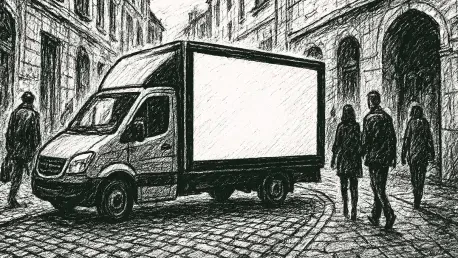

The collaboration between Camden Town Brewery and Wax London shows how physical environments serve as active participants in storytelling rather than just passive backdrops for advertisements. This strategic move highlights a significant shift in how modern brands approach urban visibility in the current year. By utilizing mobile Digital Out-of-Home (DOOH) technology, the brewery effectively navigated the complex streets of North London, turning a standard media buy into a high-impact cultural event. This approach relies on the concept of hyper-locality, where the brand’s heritage is reinforced by its physical presence in the very neighborhood that shares its name. Instead of relying on static billboards that wait for an audience, the use of “Digivans” allowed the campaign to proactively seek out high-footfall areas. This level of agility ensures that the marketing message is delivered with maximum precision, reaching the right people at the right time in a way that feels organic and deeply rooted in the local community.
The Technical Edge: Mobile LED Displays
The hardware driving this revolution includes specialized mobile units like the “Edge” and the fully electric “Curve” Digivans, which feature three-sided, high-definition LED screens. These units solve a long-standing issue with traditional outdoor advertising: the limitation of a fixed viewing angle. With a 360-degree display configuration, the brand ensures its creative content is visible to everyone, whether they are walking toward the vehicle, standing on the sidewalk, or driving behind it. This total visibility eliminates the traditional “sweet spot” requirement, making the advertisement unavoidable in a crowded urban landscape. Furthermore, the high-definition nature of these screens allows for vibrant color reproduction and sharp imagery that remains clear even in the varying lighting conditions of a typical London day. By moving through the streets, these vans act as high-tech beacons, drawing the eyes of thousands of pedestrians who might otherwise overlook stationary signage tucked away in fixed locations.
Beyond the visual impact, the adoption of fully electric vehicles like the “Curve” reflects a broader industry transition toward sustainable marketing practices. As urban centers increasingly implement zero-emission zones and stricter environmental regulations in 2026, brands must find ways to maintain a physical presence without contributing to local pollution. Using electric mobile DOOH units allows companies to align their promotional strategies with the environmental values of their target audience. This is particularly relevant in eco-conscious areas where consumers are sensitive to the carbon footprint of the brands they support. The integration of clean energy technology into advertising logistics is no longer just a trend but a requirement for maintaining brand reputation and operational legality in modern cities. This commitment to sustainability ensures that the campaign is not only effective in terms of reach but also responsible in its execution, demonstrating that high-impact marketing and environmental stewardship can successfully coexist in the current urban ecosystem.
Maximizing Visual Engagement: Minimalist Design
In the fast-paced world of mobile advertising, where a brand only has a few seconds to capture a viewer’s attention, the design strategy must prioritize clarity and visual aggression. The Camden Town Brewery campaign utilized a minimalist approach, featuring bold red backgrounds and oversized typography that ensured instant brand recognition from a distance. When a vehicle is in motion, complex visuals or lengthy text blocks become illegible, rendering the advertisement ineffective. Therefore, the focus shifts toward high-contrast color palettes and simple product imagery that pop against the often gray or muted architectural tones of the city. This technical consideration of font size and color saturation is vital for maintaining legibility across different speeds and viewing distances. By stripping away unnecessary elements, the mobile unit functions as a moving brand activation rather than a cluttered sign, ensuring that the core message is absorbed instantly by busy commuters who are navigating their own daily routines through the city.
The success of this minimalist design is further amplified by the use of high-definition LED technology, which provides a level of brightness and clarity that traditional printed billboards cannot match. These screens allow for dynamic content that can be adjusted or updated based on the time of day or specific location, though the primary goal remains constant visibility. In the saturated media environment of 2026, where digital noise is constant, the physical presence of a glowing, moving screen creates an un-skippable experience. Unlike mobile phone ads that can be closed or ignored, a three-sided LED van driving through a narrow street demands sensory engagement. This tactile connection to the real world provides a sense of authority and permanence that digital-only campaigns often lack. The combination of bold aesthetics and advanced display technology turns the city streets into a temporary gallery, where the brand’s message becomes a vibrant part of the urban experience, leaving a lasting impression on the audience long after the vehicle has passed their field of vision.
Hyper-Local Targeting: Cultural Integration
One of the most significant shifts in modern localized marketing is the transition from reactive to proactive media placement. Traditional Out-of-Home advertising is inherently static, requiring the brand to wait for an audience to pass a specific billboard. In contrast, mobile DOOH units are programmed to follow the natural flow of the city, moving between transit hubs during the morning rush and shifting toward nightlife hotspots as the evening approaches. This flexibility allows for the optimization of impressions based on real-time pedestrian density, ensuring that the media spend is always targeted where the people are. By navigating the specific streets of the North London borough, the brewery was able to penetrate narrow roads and complex layouts that larger advertising trucks simply cannot access. This granularity of targeting ensures that the brand remains at the center of local activity, effectively following the high-traffic zones to maintain a consistent and relevant presence throughout the day without the limitations of fixed infrastructure.
The integration of lifestyle partnerships, such as the one with Wax London, adds a layer of sophistication to the localized outreach by connecting the product with a specific aesthetic and cultural identity. By showcasing this collaboration on the streets of Camden, the brand creates a powerful trifecta of product, partnership, and place. This strategy leverages the physical environment as a primary reinforcement of the brand’s narrative, making the neighborhood an active participant in the story being told. When residents see a local brand moving through their own streets, it fosters a sense of authenticity and community pride that a generic national campaign could never achieve. This “contextual DOOH” approach ensures that the message feels like a natural extension of the local culture rather than an intrusive commercial. By successfully bridging the gap between digital precision and physical presence, the campaign demonstrated how modern brands could use geographical heritage to build deeper, more meaningful connections with their audience.
The Path Forward: Strategic Takeaways
The results of this campaign provided a clear blueprint for the future of urban advertising by proving that mobility and context are the new benchmarks for success. Marketing analysts noted that the use of nimble, high-tech vehicles allowed for a level of penetration into local communities that was previously impossible. Moving forward, brands should consider how their physical presence can be optimized through real-time data to ensure they are always positioned in high-value zones. The integration of sustainable technology also became a non-negotiable factor for companies looking to maintain a positive public image while navigating modern city regulations. Decision-makers were encouraged to view the streets not just as transit routes, but as dynamic stages where brand stories could unfold in real-time. By prioritizing hardware versatility and creative simplicity, organizations successfully captured the fleeting attention of modern consumers. The transition toward this mobile-first approach marked a significant evolution in how localized brand marketing functioned.
Organizations that aimed to replicate this success focused on developing partnerships that resonated with specific geographical identities. They prioritized the use of high-definition, multi-sided displays to maximize visibility and invested in electric fleets to stay ahead of environmental mandates. The shift toward proactive media placement allowed these brands to stay relevant as pedestrian patterns changed throughout the day. Strategic planners recognized that the most effective campaigns were those that treated the location as a key element of the creative message. By blending digital precision with the unavoidable visibility of physical media, companies managed to break through the noise of traditional advertising. The actionable takeaway for the industry involved a shift away from static placements in favor of agile, technology-driven solutions that could adapt to the pulse of the city. This approach ultimately transformed the way brands interacted with their local communities, ensuring that every impression was backed by the power of context and technology.