
The vibrant streets of Mumbai and Delhi have long been a canvas for massive out-of-home (OOH) displays, yet for many years, advertisers remained skeptical about the true return on investment for these high-cost installations. This skepticism stems from a historical reliance on opaque measurement techniques and a lack of real-time verification that often left brands questioning whether their messages actually reached the intended demographics. As the Indian advertising landscape evolves toward a more digital-first approach, the demand for accountability has reached a boiling point, necessitating a fundamental shift in how billboard impact is calculated and reported. While television and digital social media platforms offer granular data, the physical world of OOH has struggled to provide comparable precision, creating a significant trust deficit between media owners and global brand managers. Addressing this issue requires more than just better hardware; it demands a comprehensive ecosystem overhaul that integrates advanced analytics with traditional physical assets to ensure every rupee spent is backed by verifiable performance data.
Implementing Real-Time Verification: The Role of Computer Vision
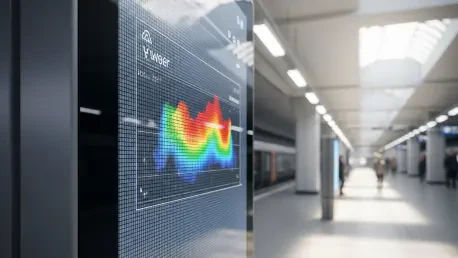
The integration of computer vision and AI-powered sensors represents the first major hurdle in closing the trust gap within the Indian OOH sector. By installing smart cameras that can distinguish between a casual passerby and a focused viewer, media agencies are now able to provide anonymized yet accurate dwell time and gaze direction metrics. This technology does not merely count heads; it identifies engagement levels without compromising individual privacy, allowing brands to see how long a person actually looked at a specific creative. Furthermore, these systems provide a continuous stream of data that helps advertisers understand peak traffic hours and demographic shifts throughout the day. This level of granularity was previously impossible, but with the current rollout of sophisticated edge computing devices, the physical billboard is becoming as measurable as a web banner. This transition is essential for convincing performance-oriented marketers that outdoor advertising is a viable channel for high-stakes product launches and sustained brand awareness campaigns.
Beyond just measurement, the reliability of OOH advertising depends heavily on the certainty that an ad was actually displayed as scheduled, particularly in the programmatic digital out-of-home (pDOOH) space. In the past, advertisers often had to rely on manual proof of play reports, which were prone to human error or deliberate manipulation. Today, however, automated monitoring systems connected to the display software ensure that every impression is logged and reported instantly to a centralized dashboard. This transparency allows for immediate adjustments if a screen malfunctions or if environmental factors like extreme weather or power outages affect visibility. By creating a closed-loop system where the playback software and the monitoring sensor communicate directly, the industry eliminates the guesswork that once plagued outdoor campaigns. This systematic approach to validation has begun to reshape the relationship between agencies and vendors, moving it from a foundation of “take our word for it” to one of rigorous, data-backed proof.
Establishing Industry Standards: The Road to Total Transparency
A fragmented market with varying measurement methodologies has historically hindered the growth of OOH in India, but the move toward a unified industry standard is finally gaining traction. When different vendors use disparate metrics, advertisers find it nearly impossible to compare the effectiveness of a campaign across different cities or formats. To solve this, industry bodies are now pushing for a standardized currency of measurement that combines mobile location data with traditional traffic flow statistics. This collaborative effort ensures that a reach or impression means the same thing regardless of whether the ad is in a high-traffic metro station or along a national highway. By establishing these common benchmarks, the industry provides a reliable framework for media planning and buying, which significantly reduces the perceived risk for large-scale investors. This standardization is not just a technical upgrade; it is a necessary cultural shift within the advertising community that prioritizes transparency and collective progress over individual gains.
Ultimately, the path toward fixing the trust deficit in the Indian OOH sector was paved by a collective commitment to radical transparency and data integrity across the entire supply chain. Industry leaders recognized that maintaining the status quo was no longer viable in an increasingly digital world, and they proactively invested in the infrastructure necessary to validate every single impression. This shift allowed the market to move beyond subjective estimates and embrace a model where performance was verified by independent, third-party technology rather than internal reports. As a result, global brands regained their confidence in outdoor media, leading to a significant surge in investment and a more competitive marketplace. The successful integration of these technologies proved that traditional advertising formats could thrive by adopting the same level of accountability as their digital counterparts. These efforts transformed OOH from a perceived gamble into a reliable, data-driven pillar of the modern marketing strategy.