
When a brand’s reputation can swing on a five-minute reply window and a single viral mention can upend a quarter’s plan, the control room is no longer a boardroom—it is a social media command center. The category reviewed here promises precisely that: a consolidated cockpit for publishing,

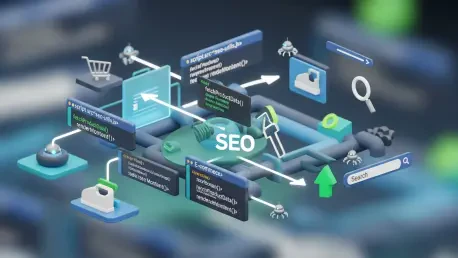
Search has been splintered into blue links, AI-generated summaries, voice surfaces, and multimodal snippets, and the only reliable way to keep visibility stable is to operate with an SEO stack that fuses predictive modeling, semantic analysis, and automation into a single, measurable workflow that

The modern search engine optimization landscape has reached a point where a digital strategist can condense an entire week of manual spreadsheet labor into a twenty-minute technical exercise. By feeding a pair of comprehensive data exports into a large language model like Claude or ChatGPT, an
The traditional marketing funnel has effectively been replaced by a singular generative touchpoint where potential customers rely on conversational AI models to curate their purchasing options before they ever visit a commercial website. In 2026, the concept of a search engine results page has
The transition from a simple list of hyperlinks to a comprehensive, artificial intelligence-driven answer engine represents the most significant paradigm shift in digital information retrieval since the birth of the modern web. Google has fundamentally altered its core architecture, moving away
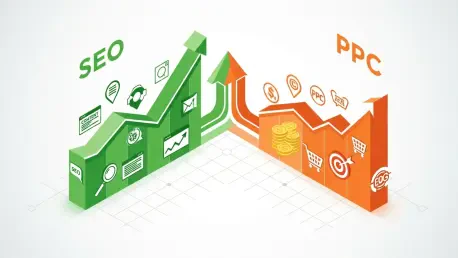
Expert in search engine marketing and digital growth, Anastasia Braitsik has spent years at the intersection of technical SEO and paid advertising. Her work focuses on dismantling the silos that traditionally separate organic and paid search teams, advocating for a unified data strategy that