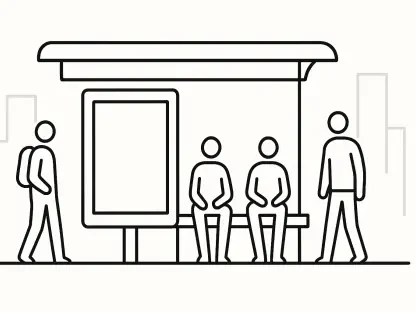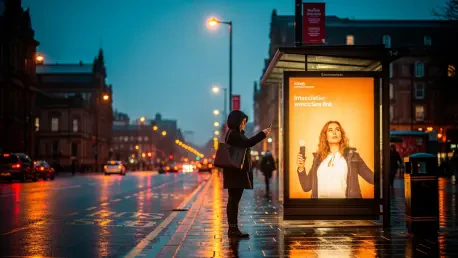

The traditional boundary separating the physical streets of major British cities from the digital storefronts on a smartphone has effectively vanished as recent data suggests that nearly two-thirds of adults now take immediate online action after seeing an out-of-home advertisement. Whether waiting for a train at Waterloo or walking through the bustling shopping districts of Manchester, consumers are increasingly using their mobile devices to bridge the gap between a visual stimulus in the real world and a commercial transaction in the virtual one. This phenomenon represents a significant shift in the advertising landscape, where billboards are no longer just passive awareness tools but active drivers of search queries, social media engagement, and direct purchases. As the urban environment becomes more interconnected, the synergy between high-impact physical displays and personal handheld technology has created a powerful ecosystem for brands looking to capture attention in a fragmented market where standing out requires more than a static image.
Strategic Integration of Outdoor and Mobile Media
Connectivity and Real-Time Consumer Behavior
The proliferation of high-speed 5G networks across the United Kingdom has served as the backbone for this behavioral transformation, enabling seamless transitions from physical curiosity to digital exploration. When a commuter encounters a vibrant digital screen displaying a new product, the friction of searching for more information has been minimized by the near-instantaneous load times of modern mobile web browsers. This connectivity, which expanded significantly from 2026 to 2028, allows for a spontaneous research phase where potential buyers compare prices, read reviews, or locate the nearest brick-and-mortar outlet while still within the sphere of influence of the original advertisement. The immediacy of this response is particularly evident in high-traffic transit hubs where people often have a few minutes of dwell time to spare. Consequently, advertisers are increasingly designing their creative assets with mobile compatibility in mind to ensure that the visual cues yield immediate results.
Technical Innovations in Interactive Design
One of the most notable technical revivals in the current advertising era is the sophisticated implementation of QR codes, which have evolved from a niche curiosity into a vital tool for performance-based outdoor campaigns. Unlike earlier iterations that were often clunky or poorly placed, modern codes are strategically integrated into the creative design, offering consumers a frictionless gateway to exclusive discounts, augmented reality experiences, or direct-to-cart shopping links. This direct response mechanism provides marketers with granular data regarding the location and timing of consumer engagement, effectively turning a static billboard into a measurable digital touchpoint. In the current landscape of 2026 through 2028, these interactions have become second nature to tech-savvy demographics who value convenience and speed. By scanning a code while waiting for a bus, a consumer might bypass several stages of the traditional sales funnel, moving from awareness to purchase in a matter of seconds without hesitation.
Measurable Outcomes and Future Considerations
To capitalize on these evolving trends, stakeholders focused on developing unified measurement frameworks that accurately tracked the transition from a physical impression to a digital conversion. Organizations successfully navigated this landscape by prioritizing mobile-first creative designs that utilized clear calls to action and frictionless entry points such as advanced imaging technology. They recognized that the window of opportunity for capturing consumer intent was often fleeting, so they optimized their landing pages for immediate mobile loading and high conversion rates. These companies, operating between 2026 and 2028, also invested in localized data sets to ensure their physical presence complemented their digital search strategies, creating a truly cohesive brand experience. By analyzing the specific times and locations where digital actions peaked, marketers refined their deployment schedules to match high-intent periods and drove overall engagement through every available screen.