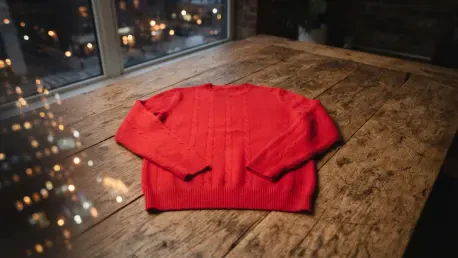

As Quince expands into over one hundred categories, the company is using this high-profile campaign to refocus consumer attention on the cashmere fabric that defined its launch. This strategic pivot occurs during a highly competitive holiday season where retailers are vying for consumer mindshare through complex narratives. By enlisting David Schwimmer, Quince is tapping into a profound sense of cultural nostalgia that transcends traditional demographics. The campaign, titled “The Red Sweater,” represents the brand’s most ambitious marketing effort to date, moving beyond simple price-point messaging to establish a more resonant brand identity. It manages to balance the high-stakes world of New York fashion with a self-deprecating humor that has become Schwimmer’s trademark. While companies often struggle to find the right tone for celebrity collaborations, this initiative succeeds by placing a specific item at the center of a story that is both familiar and new to shoppers.
Leveraging Television History: The Power of Nostalgia
The primary strength of the campaign lies in its subtle utilization of a specific “Easter egg” from the eighth season of the iconic sitcom Friends. In that particular storyline, a misplaced red sweater served as the definitive clue that revealed the identity of the father of Rachel Green’s child. Quince elevates this television trivia from a mere nostalgic reference to a central marketing pillar. This approach demonstrates a sophisticated understanding of how contemporary audiences interact with cultural artifacts. By choosing a prop that carries significant emotional weight for millions of viewers, the brand creates an immediate sense of familiarity without the need for heavy-handed exposition. This strategy ensures that the campaign remains accessible to younger generations who may only know the show through streaming, while providing a rewarding moment for those who followed the series during its original run. It is a masterful display of how to use shared cultural history to build trust and curiosity.
Crucial to the execution of this narrative is the presence of David Schwimmer, whose comedic timing remains as sharp as ever in the current landscape of 2026. The actor intentionally leans into the established persona of a high-strung and slightly bewildered individual, a character type that has resonated with audiences for decades. Notably, Schwimmer appears as himself rather than as a fictional character, a creative decision that provides several strategic advantages. It allows Quince to leverage the actor’s natural charm and public identity while sidestepping the complex legal and creative restrictions often associated with formal franchise crossovers. This distinction makes the interaction feel more authentic to the viewer, as it presents a recognizable celebrity engaging with a modern brand on his own terms. By allowing Schwimmer to collaborate on the scripting and creative direction, the brand ensured that the final product felt like a genuine partnership rather than a standard celebrity endorsement.
A Comedic Chase: Capturing the New York Spirit
Directed by Rick Darge, the sixty-second hero film takes viewers on a fast-paced journey through the vibrant and crowded streets of New York City. The plot is driven by a simple but effective comedic premise: Schwimmer is searching for the elusive Quince Mongolian cashmere sweater in the new “Coulis Red” colorway. Throughout his journey, he repeatedly encounters other New Yorkers who are already wearing the garment, highlighting a universal “fear of missing out” that resonates with fashion-conscious consumers. The visual comedy escalates as the sweater appears in increasingly unexpected places, including on a small dog, further emphasizing the item’s widespread popularity and desirability. This setting provides a perfect backdrop for the brand’s premium aesthetic, blending the grit of the city with the soft luxury of the product. The cinematography captures the kinetic energy of Manhattan, making the hunt for the sweater feel like an urgent and highly relatable quest for the season’s must-have item.
This “New York chase” narrative serves as a clever reversal of the original sitcom plot, transforming the red sweater from a piece of evidence into a symbol of modern luxury. In the original television context, the character already possessed the item; in this updated version, he is the only person who seems unable to get his hands on it. This shift in perspective turns the celebrity into the outsider, making him more relatable to the average consumer who is constantly bombarded with images of trending products. By positioning the sweater as the “one that got away,” Quince effectively makes the product the hero of the story. The narrative structure ensures that the garment is never lost in the background of the celebrity’s performance. Every joke and every interaction is anchored by the physical presence of the red cashmere, reinforcing its status as a central object of desire. It is a textbook example of how to balance high-level storytelling with the practical goals of product placement and brand recognition.
Strategic Brand Positioning: Returning to Luxury Roots
The decision to center such a massive campaign on a single sweater is a calculated move to reaffirm Quince’s core brand identity. When the company first launched in 2019, it disrupted the retail market by offering high-quality Mongolian cashmere for fifty dollars, a price point that was previously unheard of for such premium materials. Although the brand has since expanded into more than one hundred categories, including home furnishings and accessories, this campaign serves as a necessary reminder of the value proposition that started it all. By returning to its roots, Quince is stabilizing its market position as a leader in affordable luxury. This focus is particularly important as the brand seeks to differentiate itself from other direct-to-consumer competitors who have lost their way in over-diversification. The red sweater acts as a focal point, drawing both old and new customers back to the brand’s primary promise of delivering exceptional quality without the traditional luxury markup that often alienates shoppers.
Introducing the “Coulis Red” colorway during the peak of the holiday season allows Quince to capitalize on seasonal shopping trends without relying on generic sales or aggressive discounting. This specific aesthetic choice creates a concrete association between the brand and a festive yet sophisticated style. The vibrant hue is designed to stand out in a crowded digital landscape, catching the eye of social media users and television viewers alike. By focusing on a single, standout item, the company simplifies the consumer decision-making process, presenting the sweater as the ideal solution for gift-giving or personal seasonal updates. This strategy moves the conversation away from price alone and toward the idea of a lifestyle choice. The campaign suggests that owning this specific garment is about more than just staying warm; it is about participating in a wider cultural moment. This approach helps the brand build a more emotional connection with its audience, ensuring that the product remains memorable long after the initial advertisement.
Global Market Penetration: Beyond the Traditional Ad
This marketing initiative represents the most significant investment in the company’s history, with a distribution strategy that spans major markets in the United States, Canada, and the United Kingdom. To maximize the reach of the “Red Sweater” campaign, Quince utilized a diverse mix of media channels, including connected television, YouTube, and high-impact digital placements. This multi-faceted approach ensures that the brand remains visible across various platforms, meeting consumers where they are most likely to engage with video content. By leveraging the storytelling capabilities of long-form advertisements alongside bite-sized social media clips, the brand maintained a consistent and pervasive presence throughout the holiday period. This global strategy reflects Quince’s ambition to move beyond its status as a niche startup and become a household name in the international retail space. The scale of the deployment indicates a high level of confidence in the campaign’s ability to drive both brand awareness and direct conversions in multiple competitive regions.
The partnership with David Schwimmer is notably grounded in an authentic connection that many celebrity endorsements lack. According to company reports, the actor was a frequent customer of the brand before any formal agreement was reached, providing a level of credibility that resonates with today’s skeptical consumers. Schwimmer’s active involvement in the creative process, from early script development to the final editing stages, ensured that the tone of the advertisement remained true to his comedic voice while serving the brand’s objectives. This collaborative model represents a shift in how retailers approach influencer and celebrity relationships. Instead of treating the star as a passive face for the product, Quince integrated him as a creative partner, resulting in a more cohesive and entertaining final product. This authenticity is a vital component of the campaign’s success, as it allows the brand to speak to its audience in a way that feels personal and genuine rather than strictly transactional or corporate.
Lessons in Modern Marketing: The Campaign Impact
The “Red Sweater” campaign established a clear blueprint for how legacy media and modern retail could coexist profitably. By identifying a single tangible object from the past and repurposing it for a contemporary audience, the brand demonstrated that nostalgia worked best when it was precise rather than pervasive. This strategy avoided the common pitfall of relying too heavily on the “good old days,” instead using a specific reference to ground a very modern product launch. The comedic execution prioritized the product’s visibility, ensuring that the garment never felt like a secondary element to the celebrity’s performance. Marketing experts observed that the campaign successfully targeted multiple demographics simultaneously, capturing the attention of older viewers who remembered the sitcom and younger shoppers who appreciated the brand’s mission. This multi-generational appeal was the result of a narrative that respected its source material while focusing on the market.
In the final analysis, the collaboration showed that the most effective way to cut through the holiday noise was through a combination of humor and brand consistency. Quince moved away from the standard retail playbook of overwhelming consumers with endless options, choosing instead to champion a single high-quality staple. This decision streamlined the brand’s message and reinforced its position as a specialist in premium materials. Future marketing efforts in the industry will likely look to this campaign as a prime example of how to leverage celebrity talent without losing the brand’s unique voice. The key takeaway for other organizations involved the importance of finding a partner who genuinely shared the company’s values, as this authenticity drove engagement across platforms. As the retail landscape continues to evolve, the success of this initiative underscored the value of narrative-driven commerce. It proved that a well-told story remained a powerful tool for strategic growth.