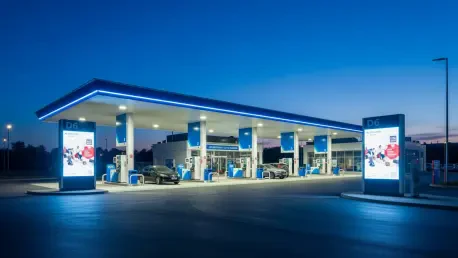

The traditional landscape of British roadside commerce is currently experiencing a metamorphosis where static assets are rapidly evolving into high-tech communication nodes. This shift is not merely an aesthetic update but a fundamental reimagining of how motorists interact with brands during their daily commutes and refueling stops. As the United Kingdom’s outdoor media sector transitions away from legacy paper billboards, the convergence of high foot traffic and extended dwell times at retail forecourts has created a lucrative environment for digital infrastructure.
Independent operators, most notably Motor Fuel Group (MFG), are spearheading this evolution by expanding their footprints through strategic acquisitions. By incorporating hundreds of new locations, including former Morrisons petrol stations, these operators have turned physical retail sites into high-value digital hubs. The involvement of media specialists like Wildstone is essential in this process, as they provide the technical expertise required to transform traditional real estate into sophisticated advertising platforms that meet the growing demand for data-driven consumer engagement.
Driving Value Through Digital Out-of-Home Transformation
Emerging Technologies and the Shift Toward Dynamic Consumer Engagement
The transition toward Digital Out-of-Home (DOOH) advertising is primarily motivated by the need for agility and immediate visual impact in a crowded market. Unlike static posters, the high-definition D6 screens being deployed across the MFG network allow for real-time content adjustments. This means advertisers can change their messaging instantly based on external factors like the time of day, current weather conditions, or local events, ensuring that the content remains relevant to the passing audience.
This technological leap is made possible through integrated project management that handles everything from initial design and planning to final installation. By utilizing a turnkey approach, the partnership minimizes disruption to daily forecourt operations while ensuring a high standard of quality. To maximize the effectiveness of these assets, specialized content managers like i-media oversee the network, ensuring that the nationwide D6 screens remain a premium space for global brands looking to connect with a mobile and diverse demographic.
Analyzing Market Expansion and Performance Indicators for Roadside Retail
The current scale of this rollout indicates a broader trend of rapid consolidation and scaling within the outdoor advertising industry. With more than 250 units installed in just a few months and a long-term goal of reaching 1,200 locations, the growth trajectory of this network is unparalleled in the region. Market forecasts suggest that the digitization of roadside assets will continue to outpace traditional media growth as retailers seek to diversify their revenue streams beyond fuel and convenience goods.
Data indicates that digital assets located in close proximity to the point of purchase command significantly higher premium rates. Because consumers at these locations are often in a buying mindset, the visibility afforded by digital screens offers a unique opportunity for conversion. This makes the roadside retail sector a cornerstone of modern media investment, providing a reliable return on investment for both the infrastructure owners and the brands that utilize the space.
Navigating Technical and Operational Barriers in Large-Scale Digitization
While the financial incentives for digitization are compelling, the logistical hurdles of a nationwide rollout are substantial. Retrofitting hundreds of diverse locations requires meticulous site planning and a highly resilient supply chain to manage the delivery and installation of hardware. Each site presents unique physical challenges, from power supply requirements to ensuring that the placement of screens does not interfere with the primary function of the fuel station.
To mitigate these risks, retail owners have turned to exclusive infrastructure partnerships that offload the technical burden to specialists. This strategy ensures that the aesthetic and functional integrity of the forecourts is preserved while the longevity of the digital assets is maximized through professional maintenance. By centralizing the management of these assets, the partnership can guarantee consistent uptime across a geographically dispersed network, which is critical for maintaining advertiser confidence.
Standardizing Compliance and Planning in the Digital Advertising Sector
The regulatory framework governing roadside DOOH is becoming increasingly rigorous, with a primary focus on public safety and environmental responsibility. Local authorities often impose strict guidelines on screen brightness and the use of motion to ensure that digital displays do not distract drivers. Navigating these planning permissions is a complex but necessary component of the rollout, requiring a deep understanding of local zoning laws and safety standards.
Beyond physical safety, the rise of interactive and data-enabled screens brings new challenges regarding data privacy and security. Industry players must proactively integrate robust security measures into their advertising ecosystems to protect consumer information and comply with evolving legislation. Staying ahead of these regulatory trends is essential for ensuring that digital networks remain socially responsible while continuing to provide a high-quality platform for brand communication.
The Next Frontier for Tech-Driven Retail and Media Ecosystems
Looking ahead, the roadside media industry is prepared to integrate even more advanced technologies, such as programmatic buying and sophisticated audience measurement sensors. These innovations will allow for hyper-targeted advertising, where specific messages are delivered to specific demographics in real time. This level of precision makes the forecourt environment even more attractive to global brands that require measurable results from their marketing spend.
The ongoing transition to electric vehicles (EVs) will further enhance the value of these media assets. As EV charging becomes more prevalent, the average dwell time at forecourts is expected to increase, giving consumers more time to engage with digital content. The future of the industry lies in creating a seamless, tech-driven ecosystem where retail, energy, and digital communication intersect to provide a comprehensive and interactive consumer experience.
Strengthening Market Leadership Through Strategic Infrastructure Investment
The collaboration between Wildstone and MFG established a definitive blueprint for the future of the outdoor media sector by merging physical retail dominance with cutting-edge digital capabilities. This strategic investment successfully future-proofed roadside environments, ensuring they remain relevant in an increasingly digital world. The project demonstrated that large-scale infrastructure upgrades could be executed efficiently when specialized expertise is combined with an extensive retail footprint.
Stakeholders and investors recognized that the successful implementation of these digital assets provided a robust foundation for long-term growth. The initiative shifted the focus from simple asset management to the creation of a high-value communication network. Moving forward, the industry learned that maintaining a competitive edge required a constant commitment to technological innovation and the ability to adapt to changing consumer behaviors in a fast-paced global market.