
The intersection of urban architecture and consumer technology has fundamentally redefined how brands claim space in the minds of the modern Australian public. The sector now reflects a sophisticated ecosystem where traditional static boards have largely conceded ground to integrated digital out-of-home solutions. This transition allowed for unprecedented flexibility, enabling marketers to pivot messaging in real-time based on environmental triggers. Retail media, in particular, has emerged as the linchpin of this transformation, capturing consumer attention when they are most primed for purchase.
Industry powerhouses like VMO and The HOYTS Group have spearheaded this shift by integrating media into the very fabric of social hubs. Their influence extends beyond mere placement; they are crafting environments where advertising feels like a native component of the urban experience. By prioritizing high-traffic commercial centers, these players have established a new benchmark for how media can coexist with community life.
Shifting Paradigms in Retail and Urban Advertising
Emergence of Digital Domination and Immersive Brand Environments
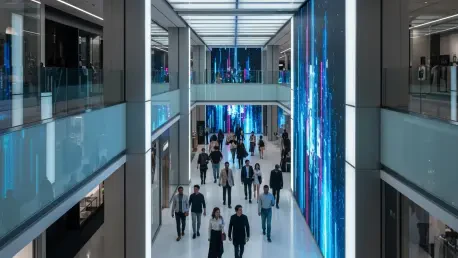
Modern retail environments are no longer just points of sale but immersive theaters for brand storytelling. The concept of digital domination has moved center stage, utilizing full-scale takeovers that use environmental decals and architectural features. High-definition screens placed along essential path-to-purchase corridors ensure that a message follows the consumer from the entry point to the register. This approach transforms a simple walk through a mall into a curated brand journey.
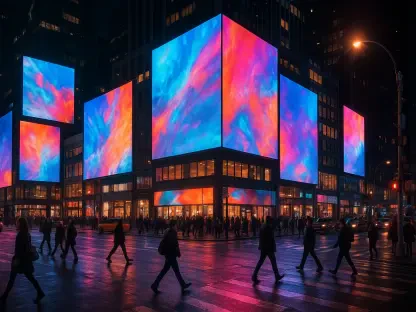
Innovative installations like The Cube demonstrate how creative reach can extend into the outdoor atmosphere, bridging the gap between internal retail space and the surrounding city. These structures offer a three-dimensional canvas for advertisers, allowing for artistic expressions that static signs could never achieve. This integration of physical and digital assets ensures that brand presence is felt rather than just seen.
Analyzing Consumer Reach and Growth Trajectories in Sydney’s Hubs
Locations like Chippendale and the Sydney central business district represent a microcosm of Australia’s growth trajectories in the media sector. These zones attract a high-value demographic consisting of university students, young professionals, and affluent urban dwellers. This concentration of diverse audiences creates a fertile ground for data-driven targeting, ensuring that campaigns resonate with the specific needs of a localized population.
Anchor tenants such as Woolworths Metro, Palace Cinemas, and Fortress play a vital role in sustaining audience volume. These destinations serve as magnets that pull varied crowds into the precinct throughout the day and evening. Consequently, advertisers benefit from a consistent flow of traffic, which supports robust performance indicators and reliable projections for media spend in the retail and entertainment categories.
Navigating the Complexities of High-Traffic Commercial Environments
Managing visibility within a vibrant city center requires a delicate balance between impact and aesthetic integration. The visual noise of a dense metropolitan area can easily dilute a message, making strategic placement more important than ever. Companies must navigate the logistical hurdles of installing premium hardware in multi-use buildings where residential and commercial interests overlap.
Technical precision is equally critical when synchronizing content across multiple formats. Delivering a seamless experience requires a backend capable of handling high-speed data while maintaining the aesthetic integrity of the precinct. Success in these environments depends on the ability to minimize disruption while maximizing the frequency of engagement.
Impact of Compliance and Regulatory Standards on Outdoor Media
Adherence to local government regulations regarding light pollution and screen brightness is a non-negotiable aspect of modern outdoor advertising. Sydney’s strict standards ensure that digital displays do not negatively affect the quality of life for nearby residents. Furthermore, the legalities surrounding exclusive media rights and competitive tender processes necessitate a transparent and professional approach to business development.
Ethical considerations also extend to the realm of audience measurement. As technology becomes more sophisticated, industry players must prioritize data privacy and ethical standards in analytics. Maintaining consumer trust is essential for the long-term viability of the sector, leading to the adoption of safety and quality benchmarks set by outdoor media associations.
The Future of Engagement in Australia’s Competitive Media Market
Looking ahead, the integration of artificial intelligence and real-time data will likely pave the way for hyper-targeted campaigns that adapt to the viewer in real-time. Augmented reality experiences are also poised to become a staple of retail environments, offering shoppers interactive ways to engage with products before they buy. This shift toward interactivity will redefine the boundaries of what constitutes an advertisement.
Sustainability will also play a significant role in future media installations. Energy-efficient hardware and eco-friendly materials are becoming standard requirements as global economic shifts prioritize environmental responsibility. VMO’s expanding footprint suggests a commitment to these values, ensuring that the next generation of retail media is both impactful and responsible.
Synthesizing the Impact of Strategic Media Acquisitions
The partnership between VMO and Central Park Mall served as a catalyst for urban advertising innovation by blending commercial utility with high-tech delivery. Immersive, multi-channel campaigns successfully drove brand recall and consumer engagement through a mix of digital and physical touchpoints. This strategic acquisition demonstrated how high-density precincts could offer a superior return on investment for advertisers willing to embrace environmental storytelling.
Future strategies focused on the continued convergence of technology and physical space to ensure long-term relevance. Professionals in the sector recognized that the path forward required a commitment to sustainable growth and ethical data usage. Ultimately, the evolution of the Australian out-of-home industry established a foundation for a more connected and interactive urban future.