
The AgenticAdvertising.org trade association provides a governance structure where brands, agencies, and publishers hold equal board weight regardless of company size. As the digital marketing landscape shifts from manual campaign management toward autonomous agentic workflows, the industry faces a

Dock Kim’s transition to Bidease marks a pivotal moment for the New York-based firm as it seeks to scale its machine-learning-driven performance advertising architecture to a global audience. This strategic movement, finalized on October 23, 2026, signals a significant realignment within the mobile

The dominance of scripted crime and reality genres on Connected TV indicates a strong advertiser preference for traditional long-form storytelling on living room screens. This trend is underscored by recent data from the September 2026 OpenEPG Index, which illustrates a widening gap between how

Google’s updated documentation clarifies that the previous setup delivered ads on the Display Network at a similar cost per conversion as Search using a hidden backend allocation. For many years, digital marketers relied on a system that functioned largely as a "black box," where surplus funds from

LoveShackFancy used Google’s Creative Lighthouse program to explore how AI could bring its fabric-rich brand world onto screens. For ad teams, the useful lesson is how to direct that work without losing product detail. Creative ambition needs a production process that keeps the brand recognizable.

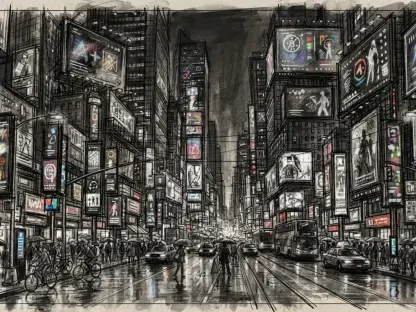
The emergence of trust as a primary competitive advantage offers the out-of-home industry a rare opportunity to reclaim budgets lost to social media platforms. As digital platforms face what many industry analysts describe as a "tobacco moment," the advertising landscape is undergoing a fundamental
1 2 3 4 5 6 7 8 9 10 11 12 13 14 15 16 17 18 19 20 21 22 23 24 25 26 27 28 29 30 31 32 33 34 35 36 37 38 39 40 41 42 43 44 45 46 47 48 49 50 51 52 53 54 55 56 57 58 59 60 61 62 63 64 65 66