
Anastasia Braitsik is a powerhouse in the digital marketing world, blending technical SEO prowess with a keen eye for how data dictates consumer behavior. As brands struggle to bridge the gap between digital scrolls and physical door swings, Anastasia offers a unique perspective on why the youngest cohort of shoppers is returning to brick-and-mortar locations at unprecedented rates. We sit down with her to explore the shift toward “post-worthy” retail environments, the synergy between viral product collaborations, and how social media has fundamentally rewritten the rules for store design and customer engagement.
The data shows a surprising trend where roughly 73% of young adults visit physical stores weekly, outperforming the 65% of Baby Boomers who do the same. What is driving this physical retail resurgence among a generation we typically associate with digital-only habits?
For Gen Z, the physical store is not just a place to buy things; it is a stage for personal branding and social validation. Unlike older generations who might view shopping as a functional chore or a simple errand, these 18-to-27-year-olds expect every trip to feel like a curated, high-energy event. They are looking for sensory stimulation and a sense of community that the isolation of a phone screen simply cannot provide in full. By walking into a store at least once a week, they are signaling that they value the tactile experience and the immediate gratification of an environment designed specifically for their cameras.
We are seeing retailers shift from traditional layouts to spaces that prioritize “post-worthiness.” How are brands redesigning their floor space to turn a simple shopping trip into a viral marketing moment?
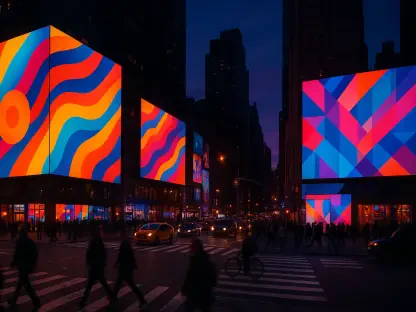
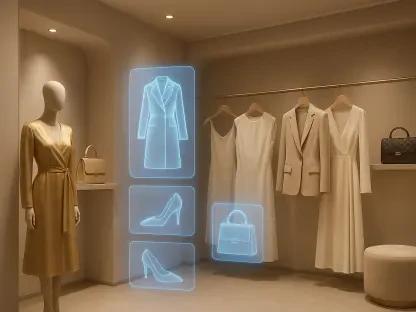
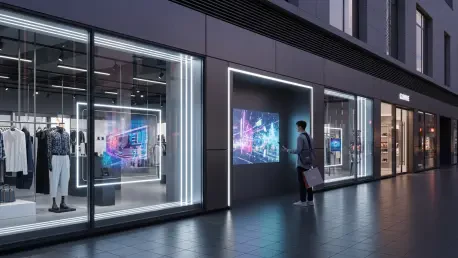
Store design has evolved into a strategic content engine where the aesthetic value is just as important as the actual inventory on the shelves. Brands are now carving out dedicated “content zones” equipped with professional-grade lighted mirrors, projection walls, and interactive installations to encourage shoppers to linger much longer than they used to. When a fitting room is transformed into a ring-light studio, the customer effectively becomes a creator, producing organic marketing that reaches their followers without the brand spending a single cent on traditional ad impressions. This “flagship” standard now applies across the board, from luxury boutiques to off-price retailers, ensuring that every corner of the store is ready for a TikTok or Instagram close-up.
The collaboration between Hailey Bieber’s Rhode and the luxury grocer Erewhon resulted in massive sales and long queues. What can other brands learn from the way these “post-worthy” moments translate into actual revenue and foot traffic?
The Rhode and Erewhon partnership is a masterclass in blending viral digital buzz with physical scarcity and high-end experience. Selling approximately 40,000 “Strawberry Skin Glaze” smoothies a month at $19 each proved that fans are willing to pay a premium for a product they can photograph and share immediately. This synergy created a feedback loop where the digital hype fueled the physical lines, and the physical lines, in turn, created more content for social feeds that pulled in even more people. When pop-up shops launched, they replicated this high-energy environment, proving that if you give Gen Z a reason to show up and film, the sales figures will follow naturally.
With about 85% of young men and 86% of young women stating that social media sways their buying decisions, how has the marketing funnel changed for modern retailers?
The traditional marketing funnel has been completely flipped, with social platforms like TikTok and Instagram now serving as the primary point of discovery for nearly half of Gen Z shoppers. Retailers have to realize that the store itself is the content strategy, acting as the final destination of a journey that almost always begins on a small screen. Because 45% of respondents name these specific platforms as their main influencers, a brand’s physical presence must validate the “cool factor” they saw online or they will lose interest. If the in-person experience doesn’t match the digital hype, the brand loses credibility with a generation that values visual storytelling and authenticity above all else.
What is your forecast for the future of physical retail as Gen Z’s influence continues to grow?
I predict that the line between a retail store and a media studio will vanish almost entirely within the next few years. We will see more permanent installations specifically designed for live-streaming and content creation, as brands realize that their customers are their most effective marketing department. Physical locations will become smaller but much more experiential, focusing on high-impact events and exclusive drops rather than keeping massive amounts of on-floor inventory. Ultimately, the retailers that survive will be the ones that treat their square footage as a canvas for storytelling rather than just a warehouse for products.