
The choice between digital generation and live-action filming is increasingly viewed as an emotional decision rather than a technical one, particularly for brands rooted in holiday sentimentality. This shift is most visible in the 2026 landscape, where legacy giants like The Coca-Cola Company have transitioned away from the high-tech experiments of the previous two years. Their latest creative platform, titled “Enjoy Joy,” marks a deliberate festive reset that prioritizes traditional live-action storytelling over the algorithmic generation that defined their mid-decade efforts. By returning to a handmade aesthetic, the brand aims to recapture the emotional resonance that originally made its seasonal iconography a cornerstone of American culture. This strategic pivot serves as a correction to the technological friction encountered in 2024 and 2025, when AI-generated visuals occasionally struggled with the uncanny valley and public criticism over a lack of genuine soul. The current strategy reaffirms that for consumers seeking holiday comfort, there is no substitute for authentic human narrative.
Prioritizing Authentic Human Experiences
The Return to Live-Action Realism
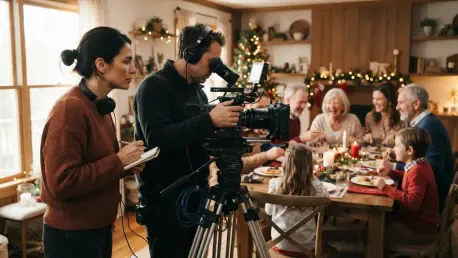
The 2026 “Enjoy Joy” films, directed by Paul Dektor and produced by Mayan Productions, represent a strategic correction that favors realism over digital fantasy. By utilizing a live-action approach developed through a collaboration between WPP Open X and Ogilvy, Coca-Cola is refocusing on human-scale moments that feel grounded in reality. This shift suggests that while artificial intelligence remains a powerful tool for background optimization or technical experimentation, it currently lacks the nuance required to convey the deep, sentimental nostalgia associated with the winter season. The company’s leadership, including Vice President of Coca-Cola Trademark Stacy Jackson, frames this move as a way to maintain continuity with the traditions consumers already love, ensuring the brand remains unmistakably classic without the distraction of controversial production methods. By highlighting genuine human interaction, the ads move away from the clinical perfection of previous AI tests to embrace a warmer, more relatable aesthetic.
The creative strategy for these new films deliberately avoids high-concept plot twists or the creation of a vast fantasy universe in favor of ordinary holiday scenes. Key visual motifs include multigenerational gatherings, shared meals, and specific snapshots of American life, such as deep-frying a turkey or playing a casual game of football. The primary goal of these scenes is to foster a sense of recognition, allowing the audience to see their own lives reflected on the screen. Unlike AI-generated imagery, which can sometimes feel overly polished or sterile, these filmed sequences allow for the natural imperfections that mirror real life. This approach leans into the distinction between simple repetition and true nostalgia, providing a space where viewers can project their own memories onto the brand’s narrative. By choosing realism, the campaign effectively bridges the gap between a corporate message and a personal experience, making the brand feel like a familiar guest at the holiday table.
Bridging Heritage and Modernity
Coca-Cola is effectively leveraging its deep historical roots by repeating iconic brand codes while updating the human stories that surround them. The inclusion of the “Holidays are Coming” red trucks and the classic depiction of Santa Claus provides a stable foundation of familiarity for the audience. However, the 2026 approach places these symbols in the context of contemporary family rituals, ensuring the brand remains relevant to modern consumers without losing its heritage. This balance is critical for asset maintenance, as cultural memory is a finite resource that can be diluted by over-innovation. By sticking to the visual language that has defined the brand for decades, the marketing team ensures that the core identity remains “unmistakably Coke.” The strategic move back to live action reinforces this sense of permanence, signaling that the company values the long-term emotional connection with its audience over the fleeting novelty of new technological trends.
The emotional weight of production style is a key consideration in this festive reset, as the choice of live-action filming conveys a sense of visible effort and care. For themes of memory and family, the “imperfections” of reality often outperform the perfection of digital generation because they feel earned rather than calculated. This strategy suggests that legacy brands must be careful when adopting the latest technological tools, as the medium often carries as much message as the content itself. By choosing to film real people in real settings, Coca-Cola is communicating a message of authenticity that resonates during a season defined by togetherness. This focus on “human-scale” storytelling allows the brand to bypass the skepticism often associated with algorithmically generated content. Ultimately, the campaign proves that for a brand with such a massive cultural footprint, the most effective way to innovate is sometimes to return to the core storytelling techniques that built its reputation.
Expanding Beyond Traditional Media
Engaging Through Social and Digital Platforms
The 2026 holiday push is not limited to traditional television commercials but exists within a comprehensive, multi-platform ecosystem designed for the modern digital landscape. A cornerstone of this strategy is the “Grandma’s Holiday Table” social series, which targets platforms like TikTok, Meta, Pinterest, and YouTube. This initiative leans into the creator economy by focusing on real-life stories of relatives preserving family recipes and seasonal rituals. By highlighting the people who keep traditions alive, the brand moves away from generic corporate messaging and toward content that feels grounded in the actual lives of its audience. This digital effort allows for a more intimate form of engagement, where the brand acts as a facilitator for human connection rather than the sole focus of the advertisement. This approach acknowledges that younger demographics value authenticity and personal storytelling over high-budget spectacle, making the campaign more effective.
This digital and social content is further bolstered by an Amazon media partnership that bridges the gap between storytelling and modern commerce. By integrating emotional narratives with the convenience of digital retail, Coca-Cola creates a seamless journey from brand inspiration to product purchase. This partnership allows the company to reach consumers where they are already shopping for the holidays, providing a practical application for the seasonal joy depicted in the films. Rather than asking audiences to engage with an entirely new concept, these social campaigns utilize existing behaviors, such as cooking and sharing family photos, to integrate the brand into daily life. This strategic contextualization ensures that the advertising does not feel like an interruption but rather a natural extension of the holiday experience. The use of real creator content also provides a level of social proof that AI-generated imagery cannot match, further reinforcing the campaign’s central theme of human authenticity.
Building Connections Through Physical Interaction
The physical manifestation of the 2026 campaign is the “Holiday Caravan,” a touring tradition that brings the brand directly into communities across the country. Starting in Nashville and culminating in high-traffic areas like New York’s Times Square, the caravan is scheduled for over 270 stops in more than 28 U.S. cities. This allows families to interact with Santa and the iconic Coca-Cola polar bear in person, providing a tactile touchpoint that digital advertising simply cannot replicate. In an increasingly digital world, real-world activations like these provide a unique form of engagement that builds community and physical brand association. These events create a space for shared experiences, where the brand is part of a local event rather than a distant image on a screen. By maintaining a strong physical presence, the company reinforces its role as a facilitator of real-life holiday joy, grounding its marketing strategy in tangible, memorable interactions that last long after the season ends.
On the retail front, the campaign is supported by limited-edition packaging featuring the classic Santa Claus imagery across core product lines, including Coke, Zero Sugar, and Diet Coke. The return of seasonal flavors like “Holiday Creamy Vanilla” adds a sensory dimension to the campaign, further connecting the brand to the flavors of the season. Additionally, the holiday strategy incorporates a significant philanthropic element through a partnership with the USO. This initiative facilitates messages of gratitude for military personnel and their families, reinforcing the overarching theme of togetherness and shared gratitude. These multi-channel efforts ensure that the brand is present in every aspect of the consumer’s holiday journey, from the grocery store aisle to community events. By combining product innovation with charitable action and physical experiences, Coca-Cola creates a holistic brand presence that feels both pervasive and deeply personal, ensuring that its message is delivered through many channels.
Emphasizing the Value of Craftsmanship
Industry Trend: The Handmade Aesthetic
Coca-Cola is not an outlier in its return to traditional craft, as the 2026 holiday season has seen a broader industry trend where brands are emphasizing visible effort and craftsmanship. For example, Levi’s has utilized stop-motion claymation for its “Let’s Get Fuzzy” campaign, while e.l.f. Beauty has adopted similar stop-motion techniques for its seasonal advertisements. These production choices—whether live-action, claymation, or stop-motion—serve as a vital counterpoint to the ubiquity of fast-moving, algorithmically generated digital material. For legacy brands, this “handmade” aesthetic functions as a signifier of quality and authenticity, suggesting that the company values the human touch over automated efficiency. This trend reflects a growing consumer desire for content that feels crafted rather than manufactured, particularly during a time of year when emotional sincerity is highly valued. By investing in labor-intensive production methods, these brands are signaling their commitment.
This industry-wide shift toward visible craftsmanship highlights a strategic rejection of the “perfect” but often soulless look of AI-generated content. In a marketplace saturated with rapid-fire digital assets, the deliberate pace and physical texture of handmade advertising help a brand stand out and capture consumer attention. This approach suggests that the value of an advertisement is increasingly tied to the perceived effort behind its creation, with consumers responding more positively to stories that feel like they were made by people for people. For brands in the fashion, beauty, and beverage sectors, these traditional production styles provide a sense of luxury and permanence that is difficult to achieve with digital generation alone. The movement back to human-centric storytelling is therefore not just a creative choice but a strategic one designed to differentiate the brand in a crowded media landscape. It reaffirms that in the current era, the most effective way to communicate a brand’s values is through human creativity.
Strategic Insights: Future Brand Storytelling
The current marketing shift provides essential lessons for the industry, particularly regarding the balance between innovation and heritage. Marketers must recognize that cultural memory is a finite asset that requires careful maintenance rather than constant disruption with new technology. While artificial intelligence remains a valuable tool for backend operations, data analysis, and small-scale experimentation, it has not yet replaced the emotional resonance of a well-told human story. Effective seasonal campaigns should focus on utilizing existing consumer behaviors and traditions rather than trying to invent new ones through technological spectacle. By prioritizing the “human moment” over technological one-upmanship, brands can build deeper and more lasting connections with their audience. The success of the current holiday season suggests that the most powerful marketing tool is still a relatable narrative that reflects the genuine experiences of the consumer, proving that authenticity remains the most valuable currency.
The 2026 holiday marketing landscape proved that human-centric storytelling remained the most effective way to build a lasting emotional bond with consumers. By moving away from generative AI for marquee content, major brands successfully prioritized the human moment over technological novelty. The “Enjoy Joy” platform functioned as a significant festive reset, demonstrating that holiday rituals were best served by the comfort of the familiar rather than the polished perfection of digital code. Through the integration of live-action films, community tours, and creator-led digital content, legacy companies earned their place at the seasonal table by celebrating authentic shared experiences. While the role of AI in advertising continued to evolve for technical tasks, this season confirmed that for the most sentimental times of the year, there was no substitute for the handmade. Ultimately, these strategies put heritage back at the center of brand narratives, reminding the industry that true joy was found in ordinary moments.