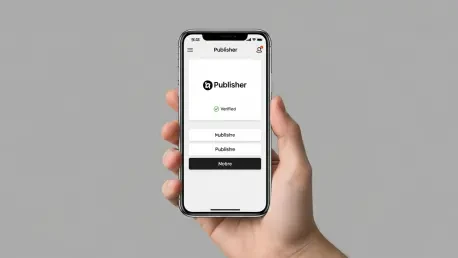

The digital landscape is witnessing a quiet revolution as the rigid, algorithmically defined boundaries of Google Discover finally yield to the creative and strategic demands of modern media organizations. For years, the platform functioned as a high-traffic but impersonal funnel, where the “front door” to a brand was often a sterile, automated summary rather than a curated experience. This dynamic began to shift as Google moved away from its role as an absolute gatekeeper, initiating a transition that grants publishers the ability to claim and manage their own Discover profiles. By transforming these static directories into dynamic branding hubs, the search giant is acknowledging that the future of content distribution requires a more nuanced partnership between the platform and the creators who fuel it.
This evolution marks a departure from an era where algorithms alone determined how a news organization was represented to millions of daily users. In the past, a publisher’s identity on Discover was largely a byproduct of Wikipedia snippets and Knowledge Graph data, often resulting in outdated or generic descriptions that failed to capture an editorial voice. As 2026 progresses, a select group of pilot participants has already begun to demonstrate how custom banners, curated link shelves, and featured posts can redefine the user journey. This change is not merely a cosmetic update; it is a strategic realignment that allows media brands to move beyond being mere content providers and start acting as identifiable, authoritative entities within the personalized feed.
The End of the Automated Era for Google Discover Profiles
The long-standing status quo of Google Discover has been characterized by a one-way flow of control, where the platform dictated the visual and informational framework for every content source. While publishers could optimize their articles for visibility, they remained spectators when it came to their own “Source Overview” pages. These profiles, often accessed by users curious about a new source or looking to follow a favorite brand, were previously generated entirely through automated processes. The result was a standardized, often uninspired interface that treated a centuries-old newspaper and a niche digital startup with the same algorithmic indifference. This lack of agency created a branding vacuum, leaving publishers unable to differentiate themselves in a crowded mobile environment.
A significant shift occurred with the introduction of a pilot program designed to test the impact of publisher-managed profiles. By monitoring over 47,000 publishers across multiple languages, researchers identified a specific cohort of early adopters who were granted the keys to their Discover identity. This group, which includes a heavy concentration of local news outlets and national media giants, has moved away from the “Profile generated by Google” era. The pilot program represents a fundamental change in philosophy, suggesting that Google recognizes the value of human curation in building trust and engagement. Instead of relying on a “one size fits all” automated summary, the platform is now facilitating a more bespoke experience that reflects the actual priorities of the newsroom.
The transition toward managed profiles also addresses a growing need for transparency and verification in the digital information ecosystem. When a profile is claimed and managed by a publisher, the automated disclaimer is removed, providing a subtle but important signal of authenticity to the user. This verified status is particularly crucial as audiences become more discerning about their news sources. By allowing publishers to take ownership of their presence, Google is effectively creating a more professionalized tier of the Discover feed, where the distinction between a vetted news organization and a random content aggregator becomes visually and functionally apparent.
Why Publisher Autonomy in Discover is a Game Changer
In the hyper-competitive world of mobile content, the ability to control a brand narrative is a strategic necessity rather than a luxury. For many years, publishers felt a sense of frustration as they watched their high-quality journalism displayed alongside a generic brand profile that they had no power to edit. This lack of autonomy meant that a publisher’s most important initiatives—such as a new investigative series, a live weather tracker, or a newsletter sign-up page—were often buried or entirely absent from their Google Discover home. The introduction of publisher autonomy changes this math entirely, allowing organizations to treat their Discover profile as a functional extension of their own website or app.
The impact of this change is most visible in how it enables publishers to establish a distinct visual identity within a platform that has historically favored uniformity. In a feed where every headline and thumbnail follows the same structural rules, the profile page serves as a rare opportunity for a brand to “speak” to its audience through design and curation. Whether it is a local station using a city skyline to anchor its geographic authority or a national magazine using a sophisticated brand pattern to convey prestige, these visual cues help foster a sense of familiarity and loyalty. This connection is vital for publishers looking to convert casual Discover visitors into regular, direct-to-site readers who recognize the brand even outside of the Google ecosystem.
Furthermore, the shift toward autonomy provides publishers with the utility they need to drive specific business outcomes. The ability to add custom links—such as “Watch Live,” “Donate,” or “Digital Edition”—transforms the profile from a passive list of articles into a multi-functional tool. This utility is a game changer for organizations that are moving away from a purely ad-supported model toward a strategy focused on subscriptions and direct engagement. By providing a direct path to their most valuable offerings, publishers can use Discover not just as a source of raw traffic, but as a top-of-funnel engine for long-term growth and audience retention.
From Standard to Claimed: A New Profile Architecture
The current landscape of Google Discover profiles is defined by a two-tier system that separates the vast majority of publishers from those in the enhanced pilot program. For approximately 99.9% of organizations, the profile remains in its “Standard” state. These profiles are characterized by their rigid adherence to automated data sources, such as Wikipedia and the Google Knowledge Graph. In this standard architecture, the platform automatically populates social media links based on follower counts and places the website link at the very end of the list. The presence of the “Profile generated by Google” footer serves as a constant reminder that the publisher is a guest on their own page, with no ability to influence the layout or the information presented.
In contrast, the “Claimed” profile architecture offers a suite of tools that fundamentally alter the user interface. The most immediate change for these publishers is the removal of the automated disclaimer, replaced by a sense of verified ownership. These enhanced profiles allow for the integration of high-resolution custom banners, which serve as the visual centerpiece of the page. This architecture also introduces the “Link Shelf,” a dedicated area where publishers can manually select and order the most important URLs they want their audience to see. This move from algorithmic sorting to editorial selection is a pivotal moment, as it allows newsrooms to prioritize their own goals over the platform’s default logic.
The architectural evolution also includes the introduction of “Pinned Posts,” a feature that allows publishers to circumvent the standard chronological or algorithmic feed of articles. With Pinned Posts, a newsroom can ensure that a flagship investigative piece, an evergreen guide, or a breaking news update remains at the top of their profile regardless of when it was published. This level of editorial curation brings the Discover profile closer to the experience of a traditional homepage, where editors make conscious decisions about what is most important for the reader. By combining these visual and functional elements, the “Claimed” profile architecture provides a comprehensive framework for branding that was previously impossible within the Google Discover environment.
Industry Trends and Expert Observations from the Pilot
The rollout of the profile management pilot has revealed significant insights into the priorities and strategies of diverse media organizations. One of the most striking trends observed among the 54-publisher cohort is a clear prioritization of local journalism. Nearly half of the participants in the initial phase are regional newspapers or local television stations, suggesting that Google is using this feature to bolster its commitment to community-based news. This focus on local outlets highlights the importance of geographic identity; many of these stations have used their new custom banners to showcase local landmarks, immediately signaling their relevance to nearby residents. This localized approach helps bridge the gap between a global tech platform and the specific needs of a local community.
Expert observations have also highlighted a fascinating shift in how publishers are managing their social media presence within the new profile framework. In the past, Google’s automated system would often list X (formerly Twitter) as the primary social link due to high follower counts. However, when given the power to reorder these links, a significant majority of local publishers have chosen to prioritize Facebook instead. This move suggests that publishers are strategically driving traffic to platforms where they see higher levels of community engagement and better referral traffic. The ability to manually curate these links has exposed a divergence between a platform’s perceived importance and its actual utility to a modern newsroom.
The use of the “About” section has also undergone a notable transformation as publishers replace Wikipedia-sourced snippets with their own mission statements. This shift allows for a much more intentional form of communication, where a brand can define its values and expertise in its own words. For instance, some outlets have used this space to emphasize their “trusted source” status, while others have highlighted their unique editorial niche. This move away from the sterile, often dry language of a Wikipedia entry toward a more promotional and brand-aligned tone demonstrates how publishers are eager to “pitch” themselves to potential followers. It is a clear indication that the Discover profile is being viewed as a critical touchpoint for building brand authority.
Framework for Maximizing Your Discover Presence
As the opportunity to manage Discover profiles begins to scale beyond the initial pilot, publishers must be prepared with a clear strategy to capitalize on these new capabilities. Success in this new environment requires more than just uploading a logo; it demands a comprehensive approach to technical readiness and asset management. The first step for any organization is to perform a thorough audit of their structured data and technical SEO. Google often pulls the default information for social links and brand descriptions from JSON-LD markup and sameAs tags. By ensuring these elements are accurate and up-to-date now, publishers can prevent technical hurdles and ensure a smooth transition when they are eventually invited to claim their profile.
In addition to technical preparation, publishers should begin developing a robust library of visual assets tailored to the specific requirements of the Discover platform. High-quality banners should ideally follow a 1:1 aspect ratio to ensure they display correctly across various mobile devices. When designing these assets, publishers should consider their brand archetype—whether they want to project the image of a prestigious national institution through minimalist patterns or a vibrant lifestyle brand through editorial photography. Having these assets ready in advance allows a newsroom to launch a professional-looking profile the moment the feature becomes available, rather than rushing through a design process later.
Finally, a truly effective Discover strategy must include a plan for measurement and governance. One of the key findings from the early pilot program was a widespread lack of tracking; very few publishers were using UTM parameters on their profile links, leaving them unable to measure the actual return on investment for their efforts. To avoid this pitfall, organizations should mandate specific campaign tags for every link within their profile shelf. Furthermore, large media groups need to decide whether these profiles will be managed by a centralized corporate team to ensure brand consistency or decentralized to individual local newsrooms for more timely and relevant updates. Establishing these workflows early will be essential for maintaining a high-quality and functional presence in the Discover ecosystem over the long term.
The expansion of Discover profiles represented a significant shift in how tech giants and media outlets interacted, moving from a rigid, automated system toward a more collaborative and publisher-controlled environment. By reclaiming their digital identities, publishers successfully transformed their profiles from simple directories into functional tools that drove newsletters, live streams, and direct subscriptions. This transition ultimately proved that when publishers were given the keys to their own narrative, they were able to foster deeper loyalty and provide greater utility to their audiences. Moving forward, newsrooms that prioritized visual branding and technical precision found themselves better positioned to thrive in an increasingly personalized and competitive mobile feed. Organizations that implemented rigorous tracking and clear governance models were able to treat their Discover presence not just as a source of traffic, but as a cornerstone of their long-term audience growth strategy.