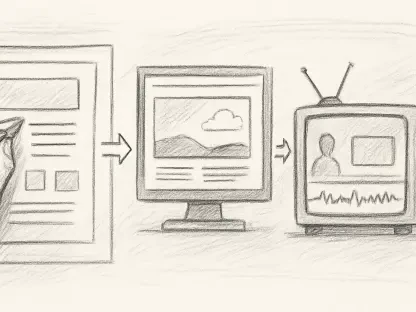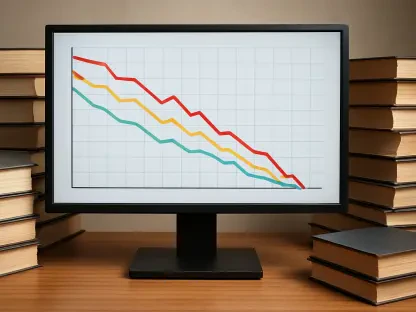

The rapid evolution of the media landscape has forced a critical re-evaluation of how physical advertisements capture human attention in an increasingly fragmented digital world. For decades, the out-of-home advertising sector relied on estimations that often felt disconnected from the precision of web analytics or social media engagement metrics. However, the current shift toward standardized, data-backed frameworks represents a decisive move to reclaim the medium’s prominence by providing advertisers with the accountability they demand. This transition is not merely about changing numbers but about redefining the very language used to describe visibility and impact in the physical environment. By bridging the gap between historical traffic patterns and real-time behavioral insights, the industry is setting a new foundation for transparency that will dictate how billions of dollars are allocated across global marketing budgets. This evolution ensures that physical ads remain a vital part of the brand experience.
Refining Methodology With Global Industry Experts
Implementing the Ipsos Pilot: Precision and Analytics
The selection of Ipsos to spearhead a comprehensive pilot program starting in late 2026 signals a significant departure from legacy measurement systems that previously dominated the North American market. This initiative leverages the extensive experience that Ipsos has cultivated in international hubs like the United Kingdom and Australia, where sophisticated tracking models have already proven their worth. By adopting these battle-tested methodologies, the partnership between Geopath and the Out of Home Advertising Association of America seeks to establish a more rigorous standard for calculating audience reach. This pilot is designed to move beyond broad estimations, focusing instead on high-frequency data collection that reflects the true complexity of consumer travel patterns and sightline exposure. The primary objective is to ensure that every impression recorded is backed by a methodology that withstands the scrutiny of modern data scientists and media buyers in the marketplace.
Competitive Pressures: Responding to Digital Dominance
One of the most urgent drivers behind this methodological overhaul is the increasing pressure from digital-first platforms like Connected TV and retail media networks. These channels have set a high bar for real-time reporting and audience segmentation, making traditional outdoor advertising appear less agile by comparison. To maintain its share of the global advertising pie, the out-of-home sector must prove that it can offer similar levels of transparency and programmatic compatibility. The new standards prioritize the delivery of behavioral intelligence, allowing marketers to understand not just who saw a billboard, but how that exposure influences subsequent digital searches or physical store visits. This level of insight is essential for brands that operate in highly competitive sectors where every marketing dollar must be tied to a measurable outcome. By closing the technological gap, outdoor media can reposition itself as a vital component of the modern, data-driven marketing stack for global brands.
Strategic Integration and Sustainable Industry Growth
Driving Omnichannel Success: Connecting Physical and Digital
The success of this new measurement era hinges on its ability to integrate outdoor advertising into broader omnichannel strategies that span multiple devices and environments. Modern advertisers no longer view media channels in isolation; they look for a cohesive narrative that follows the consumer journey from the morning commute to the evening browsing session. The updated standards provide the necessary validation to link a physical billboard exposure to a mobile app download or an e-commerce purchase. This connectivity is achieved through the use of sophisticated attribution models that correlate location-based data with digital identifiers in a privacy-compliant manner. By providing a clear link between real-world visibility and digital action, the OOH industry is making a compelling case for its inclusion in full-funnel marketing campaigns. This strategic shift transforms the billboard from a simple branding tool into a sophisticated engine for driving measurable consumer behavior across all major sectors.
Standardizing Metrics: Establishing Global Market Consistency
Building trust through verifiable data is paramount for multinational agencies that manage massive, cross-border advertising budgets. These organizations require a level of consistency that allows them to compare the performance of a campaign in New York with one in London or Sydney using similar benchmarks. The international expertise brought in through the Ipsos partnership helps standardize these metrics, reducing the friction that often occurs when trying to reconcile different regional measurement styles. This standardization creates a more investment-ready environment, where brands feel confident committing long-term capital to outdoor media projects. As the industry moves away from fragmented reporting and toward a unified standard, it reinforces the perception of outdoor advertising as a premium asset. This newfound clarity not only protects current spending but also encourages new entrants into the market who were previously hesitant due to the lack of transparent performance indicators for outdoor campaigns.
Establishing Benchmarks for Sustained Media Trust
The implementation of these rigorous new standards successfully addressed the demand for greater accountability within the outdoor advertising sector. Marketing teams analyzed the data from the initial pilot programs to refine their budget allocations, ensuring that physical placements complemented their broader digital footprints. By prioritizing transparency and interoperability, agencies adopted a more holistic view of the consumer journey, moving beyond simple impressions to focus on meaningful behavioral outcomes. Organizations that embraced these data-driven metrics found themselves better positioned to compete with high-growth digital channels, proving the enduring value of physical visibility in an omnichannel world. Moving forward, stakeholders investigated new ways to leverage real-time location intelligence to enhance creative relevance and campaign efficiency. This strategic shift effectively bridged the gap between offline presence and online conversion, setting a new benchmark for media trust.