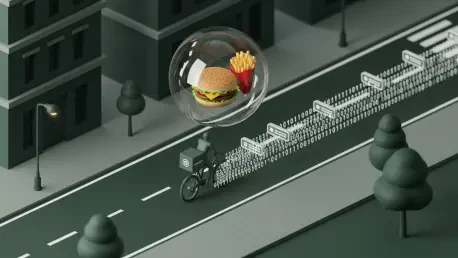

The traditional journey from experiencing the first pangs of hunger to placing a finalized digital food order has condensed into a high-speed sprint that defines the modern culinary landscape. For many years, delivery platforms focused exclusively on the logistical challenges of moving a hot meal from a kitchen to a doorstep, yet the battleground has recently shifted toward the psychological “decision window” that precedes the transaction. Uber Advertising introduced a suite of tactical tools, such as Deal Drops and Reorder Rewards, specifically designed to capture this narrow timeframe where consumers are most susceptible to external influence. By transitioning from a mere transport service into a sophisticated decision-making engine, the company aims to intercept the rapid-fire logic of the modern appetite. This evolution reflects a broader industry trend where real-time data-driven insights are utilized to solve the immediate problem of choice paralysis, ensuring that a specific restaurant becomes the inevitable destination for a hungry user before their attention can wander elsewhere.
Targeting the High-Intent Consumer
Harnessing Speed and Real-Time Data
Consumer behavior analysis reveals that a staggering 75% of all delivery orders are conceptualized and finalized within a single hour, creating a volatile environment where speed of information is just as important as speed of delivery. This rapid turnaround time means that traditional top-of-funnel marketing strategies, which rely on slow-burn brand awareness and repeated exposure over weeks, are often ineffective at the moment of actual hunger. Instead, the platform prioritizes high-intent shopping signals, recognizing that when a user opens the application, they are not browsing for future possibilities but are seeking an immediate caloric solution. By focusing on this specific sixty-minute window, Uber creates a digital environment where the friction between a desire and a purchase is minimized. This strategy allows the service to act as an advisor rather than just a storefront, providing relevant options that align perfectly with the user’s current state of mind and immediate physical location.
Utilizing Behavioral Science in Delivery
The effectiveness of this real-time intervention relies heavily on the platform’s ability to process massive streams of historical and contextual data to predict exactly what a consumer might crave at any given moment. Beyond simply knowing a user’s favorite cuisine, the system evaluates external factors such as local weather patterns, current traffic conditions, and even the specific time of day to curate a personalized selection of advertisements and offers. This level of granularity ensures that marketing efforts are not perceived as intrusive interruptions but as helpful suggestions that solve the immediate problem of “what to eat.” For restaurant partners, this means their promotional spend is directed exclusively at customers who are already in the final stages of the purchasing funnel, maximizing the return on investment. The result is a highly efficient ecosystem where the decision window is no longer a chaotic period of uncertainty but a structured path guided by predictive analytics.
Tactical Tools for Demand and Retention
Driving Urgency Through Deal Drops
The introduction of Deal Drops represents a strategic embrace of “drop culture,” a marketing phenomenon that has historically driven massive engagement in the fashion and technology sectors. By applying this concept to the food industry, Uber creates a sense of scarcity and urgency that compels users to act within a very limited timeframe, often just an hour before a major event begins. Whether it is the kickoff of a major sporting championship or the start of a televised music festival, these time-sensitive promotions are designed to capture the collective attention of large audiences simultaneously. The inclusion of visible countdown timers and strict stock limits triggers a psychological “flash sale” response, where the fear of missing out overrides the typical hesitation associated with choosing a meal. This tactic effectively transforms a routine dinner decision into a high-stakes event, encouraging customers to finalize orders quickly to ensure they do not lose out on a premium discount.
Sustaining Growth with Reorder Rewards
While capturing the initial decision is vital for immediate revenue, the long-term viability of a restaurant depends on its ability to foster habitual loyalty in a market where consumers are notoriously fickle. Reorder Rewards addresses this challenge by providing an automated incentive for a second transaction almost immediately after the first one is completed. When a customer finishes their meal, they are surprised with a personalized discount that is specifically earmarked for their next order from the same establishment. This tactic strikes while the positive brand experience is still fresh in the customer’s mind, creating a psychological bridge between the satisfaction of the current meal and the anticipation of the next one. By removing the need for customers to re-evaluate their options from scratch the next time they are hungry, the platform effectively “pre-decides” the next order, turning a one-time transaction into a predictable habit without the complexity of traditional programs.
Strategic Outcomes of Decision Window Dominance
The strategic pivot toward dominating the one-hour decision window demonstrated how data-centric platforms successfully evolved beyond basic fulfillment into active participants in consumer psychology. By deploying time-sensitive tools and automated loyalty mechanisms, the industry shifted its focus from merely delivering products to actively shaping the desires of the user in real-time. Businesses that adopted these high-intent marketing strategies found themselves better positioned to survive in a landscape where consumer attention was the rarest commodity. Moving forward, stakeholders should have prioritized the integration of predictive analytics with creative, event-based promotions to maintain a competitive edge. This shift required a fundamental rethink of how food brands interacted with their audience, moving away from static advertising toward dynamic, contextual engagement. Ultimately, the success of these initiatives proved that understanding the “when” of a decision was just as critical as the “what.”