
The digital content landscape is no longer a collection of isolated tools but has matured into a sophisticated network where generative precision determines market leadership and creative success. This evolution signifies a fundamental shift in how media is conceptualized and executed, moving away from fragmented experimentation toward unified, multi-modal workflows. Within this environment, specialized platforms such as Promptsref have emerged as the central nervous system for production, providing the necessary connective tissue between abstract creative intent and high-fidelity output. By centralizing the creative process, these ecosystems have effectively bridged the gap between raw artificial intelligence capabilities and the practical demands of professional creators.
Modern production cycles now rely on the convergence of extensive prompt libraries and functional tools that operate in tandem to reduce operational friction. This transition is not merely a change in technology but a paradigm shift that serves a diverse spectrum of users, from individual social media influencers to large-scale corporate enterprises. As the industry moves deeper into this structured era, the focus has shifted from the novelty of text generation to the strategic integration of AI across all facets of digital identity and marketing. Consequently, the ability to navigate these ecosystems has become a prerequisite for staying relevant in an increasingly automated and hyper-competitive digital marketplace.
The Evolution of Creative Workflows and Market Projections
The Rise of Workflow-Integrated Prompt Libraries and Specialized Generative Tools
The shift from static asset libraries to dynamic, integrated environments has redefined the foundational pillars of the creative industry. In this new landscape, inspiration is no longer a separate phase from execution; instead, the two are interwoven through environments that combine curated discovery with immediate application. The emergence of prompt engineering as a core competency has transformed the way professionals interact with technology, turning vague ideas into predictable and high-quality outputs. This structured approach allows creators to maintain a high level of control over the stylistic nuances of their work while significantly accelerating the production timeline.
Consumer behaviors have evolved in lockstep with these technological advancements, leading to a surge in demand for all-in-one platforms. Users increasingly favor solutions that eliminate the need to jump between disparate services, preferring a seamless flow from the initial prompt selection to the final render. This preference has driven the market toward consolidated ecosystems that offer a unified interface for various creative tasks. By reducing the cognitive load and technical hurdles associated with complex AI models, these integrated libraries have enabled a broader range of individuals to participate in the high-end creative economy.
Quantifying the Impact of AI on Marketing ROI and Professional Branding Accessibility
The democratization of design through specialized AI tools has had a measurable impact on marketing performance and personal branding metrics. For instance, the use of AI-driven thumbnail generators has allowed content creators to optimize visual assets for specific audience segments, directly influencing click-through rates and overall engagement. Data suggests that the generative AI sector within digital marketing is poised for substantial growth from 2026 to 2028, as businesses increasingly rely on automated tools to maintain a consistent and professional digital presence. This efficiency translates into a higher return on investment by lowering the overhead costs associated with traditional design services.
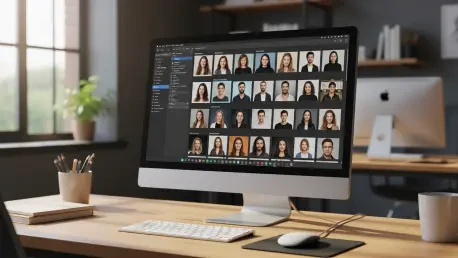
Professional branding has also seen a significant shift toward accessibility through tools like LinkedIn headshot generators. These applications have removed the financial barriers to entry for high-quality corporate photography, allowing professionals at all career stages to present a polished image. This democratization ensures that digital identity is no longer restricted by geographic location or budget constraints. As these tools become more sophisticated, their ability to produce hyper-realistic and contextually appropriate visuals has made them indispensable for anyone looking to build a competitive personal brand in a digital-first economy.
Overcoming the Friction of Inaccurate Prompting and Technical Barriers
The persistent challenge of garbage in, garbage out remains a primary hurdle for many adopting generative technologies. Crafting precise instructions for diverse AI models requires a level of technical literacy that can be daunting for the average user, often leading to a frustrating cycle of trial and error. To combat this, curated prompt galleries have become an essential resource, offering a shortcut through the initial learning curve. By providing tested templates and stylistic frameworks, these galleries enable users to achieve professional results without the need for extensive training in machine learning linguistics.
Beyond the technicalities of prompting, maintaining a consistent brand voice across various outputs presents its own set of obstacles. AI models can sometimes produce disjointed results that lack the stylistic cohesion necessary for professional marketing campaigns. Strategic solutions involve the use of high-speed automated tools that are pre-configured to adhere to specific brand guidelines. This allows creators to leverage the speed of AI while retaining the necessary creative oversight to ensure that every piece of content aligns with the broader organizational identity. Balancing automation with human-led strategy is the key to overcoming these friction points and achieving long-term success.
Navigating the Evolving Legal Framework and Security Standards in AI Media
As the creative economy integrates deeper with artificial intelligence, the regulatory landscape regarding intellectual property rights has become increasingly complex. The ownership of AI-generated visual and text assets is a subject of ongoing debate, requiring creators and companies to stay informed about shifting legal standards. Establishing clear guidelines for how these assets can be used in commercial contexts is vital for protecting the interests of both the developers and the end-users. This legal clarity is necessary to foster an environment where innovation can flourish without the constant threat of litigation or copyright infringement.
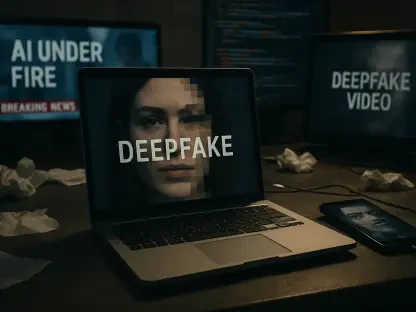
Compliance and security measures are equally important, especially when it concerns tools that handle professional identity and personal data. Ethical standards must be maintained to ensure that LinkedIn photo generators and similar technologies are used responsibly and do not infringe on individual privacy. Industry standards are being developed to protect user data and maintain the integrity of digital branding through transparency and accountability. These regulations are shaping the growth of AI ecosystems, ensuring that they remain a safe and trustworthy space for professional development and creative expression.
The Horizon of Hyper-Personalized Content and Automated Creative Workflows
Looking toward the next wave of innovation, the fusion of human-led strategy and autonomous AI execution is set to disrupt the market further. Niche-specific AI tools are increasingly replacing high-cost traditional services in areas like product photography and bespoke graphic design. This shift is driven by the need for speed and cost-effectiveness in a global economy that demands constant content updates. As these tools become more autonomous, they will be capable of executing complex creative briefs with minimal human intervention, allowing strategists to focus on higher-level decision-making and audience engagement.
Future growth areas will likely center on hyper-personalized marketing, where content is optimized in real-time based on individual user data. This level of customization was previously impossible due to the sheer volume of assets required, but AI-driven ecosystems have made it a viable reality. The ability to generate thousands of unique variations of a single campaign will allow brands to speak directly to their customers with unprecedented relevance. This acceleration of adoption is expected to continue as economic conditions favor lean, high-output production models that prioritize efficiency without compromising on creative quality.
Empowering the Modern Creator through Structured AI Ecosystems
The transformation of AI from a specialized novelty into a foundational infrastructure marked a significant milestone in the digital age. Integrated platforms successfully reduced the time-to-market for creative assets, which enabled professionals to compete at a global scale. This shift provided a clear roadmap for how structured ecosystems could amplify human ingenuity rather than replace it. The report identified that those who prioritized deep discovery and ease of application within these networks achieved the most sustainable growth.
Strategic investments flowed toward platforms that emphasized both technical depth and user-centric design. Creators who moved away from fragmented tools toward unified workflows experienced a dramatic increase in their creative bandwidth. The analysis of these developments highlighted how the maturity of the AI-driven creative economy depended on the balance between automated speed and strategic control. Ultimately, the industry moved toward a model where high-quality digital branding became an accessible standard for all, fundamentally altering the trajectory of modern content production.