
The rapid migration of visual culture into the palm of the hand has fundamentally altered how audiences interact with high-level photography and fine art. While digital accessibility has reached an all-time high, the quality of engagement has simultaneously plummeted, leaving cultural institutions to grapple with the devaluation of the physical viewing experience. In response to this trend, Fotografiska Stockholm has pioneered a marketing strategy that rejects the conventional noise of modern advertising. By utilizing minimalist, small-scale imagery on expansive out-of-home platforms, the museum is effectively challenging the “scroll culture” that often treats masterpieces as disposable content.
The Intersection of Fine Art and Modern Out-of-Home Advertising
The global museum industry currently operates in a hyper-competitive attention economy where the lure of the screen often outweighs the drive for physical attendance. Creative marketing has become the primary tool for these institutions to reclaim their cultural relevance and justify the cost of entry. Traditional methods of promoting exhibits often fall flat because they compete on the same visual terms as the digital platforms they seek to disrupt. Consequently, museums are looking for ways to bridge the gap between the convenience of a smartphone and the sensory richness of a physical gallery.
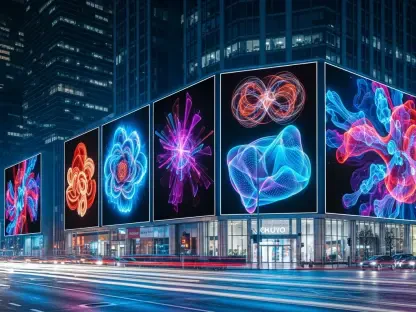
Out-of-home advertising serves as a critical touchpoint in this struggle, offering a tangible presence in the urban landscape that digital ads cannot replicate. Fotografiska’s recent initiatives demonstrate a sophisticated use of subversive branding, where the medium itself becomes part of the message. By positioning art in high-traffic areas but stripping away the expected grandeur, the institution creates a psychological “hook” that forces pedestrians to slow down and investigate. This method moves beyond simple promotion, transforming a billboard into a statement about the current state of visual consumption.
Reclaiming the Visual Experience in a Digital-First World
The Shift Toward Physical Immersion and Slow Consumption
Modern consumers are increasingly reporting symptoms of digital fatigue, characterized by a lack of emotional connection to the endless stream of imagery on social media. This exhaustion has birthed a growing demand for authentic, large-scale sensory experiences that offer a reprieve from the blue light of mobile devices. The message that photography deserves more than a social media feed resonates because it speaks to a collective desire for intentional observation. This shift toward “slow art” allows for a deeper intellectual connection with the work that is impossible to achieve through a quick swipe of the thumb.
The collaboration with creative agencies like Save Our Souls and The Amazing Society underscores a move toward visual restraint in an era of overstimulation. Instead of filling every square inch of an advertisement with high-saturation graphics, these campaigns utilize vast amounts of empty space. This design choice acts as a visual palate cleanser, emphasizing that the true value of an image lies in the focus it demands. By making the artwork appear small and isolated, the campaign highlights the absurdity of reducing complex human stories to the size of a handheld device.
Market Data and the Resurgence of Physical Art Attendance
Statistical projections from 2026 to 2028 suggest a steady increase in the global art gallery and museum market as audiences prioritize in-person cultural events over virtual tours. Research indicates that physical presence significantly boosts brand loyalty and the perceived value of photography, as the atmospheric context of a museum provides a sense of prestige that digital files lack. Data suggests that experiential marketing, which focuses on the “feeling” of a space rather than just the imagery, is a primary driver for the rising ticket sales observed in major European capitals.
Furthermore, experimental advertising is expected to have a lasting impact on membership growth for institutions that dare to be provocative. When a campaign successfully challenges the status quo of digital consumption, it positions the museum as a guardian of artistic integrity. This reputation attracts a demographic that values exclusivity and depth, leading to higher long-term engagement rates. As these trends continue, the correlation between creative physical advertising and sustained visitor growth becomes increasingly evident, signaling a shift in how cultural budgets are allocated.
Navigating the Shrinking Attention Span and Digital Saturation
The primary challenge for contemporary art lies in its reduction to the dimensions of a smartphone screen, which inevitably strips away the atmospheric impact intended by the artist. When an image is compressed, the nuances of grain, lighting, and texture vanish, leaving behind only a hollow representation of the original work. This digital saturation has conditioned the public to scan rather than see, resulting in a loss of the emotional resonance that only scale can provide. Museums must now fight to remind the public that size and environment are not secondary to the art but are fundamental components of it.
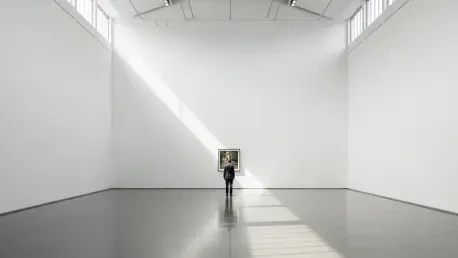
To overcome this, marketing strategies are leveraging negative space to spark curiosity in crowded urban environments. In a city filled with loud, colorful advertisements, a largely blank billboard with a tiny image in the center stands out through its sheer defiance of norms. This subversion forces a moment of pause, successfully breaking the habitual “scroll” of daily life. By utilizing these unconventional layouts, Fotografiska protects the dignity of artists like Elliott Erwitt, ensuring that their work is presented as something to be sought out rather than something that is merely pushed into a user’s view.
Ethical Standards and the Preservation of Artistic Integrity
Museums carry a heavy responsibility to uphold the original intent of an artist regarding scale, medium, and texture. When advertising work in the public sphere, there is a risk of misrepresenting the art by prioritizing marketing goals over artistic truth. However, the use of tiny images on large billboards serves as an ethical commentary on this very issue. It acknowledges that the ad is not the art; rather, it is a reminder that the art exists elsewhere, in a form that cannot be accurately captured by a commercial printing press or a mobile screen.
The regulatory landscape regarding intellectual property and art reproduction also plays a role in how these campaigns are structured. Ensuring compliance with visual standards while pushing the boundaries of traditional advertising requires a delicate balance. By focusing on the concept of the “missing scale,” curators and marketers can create impactful narratives without compromising the technical quality of the reproductions. This approach respects the artist’s legacy by admitting that the advertisement is merely a window, not the destination itself.
The Evolution of Experiential Marketing and Future Curatorial Trends
Future curatorial trends are likely to lean further into “anti-digital” marketing strategies that champion the physical body’s presence in a room. As virtual engagement becomes cheaper and more ubiquitous, the premium on physical presence will continue to rise. Emerging technologies in museum curation are being developed to complement the physical viewing experience rather than replace it, such as haptic guides or spatial audio that requires the visitor to be on-site. These innovations ensure that the museum remains a uniquely immersive environment that a home setup cannot replicate.
Global economic shifts and changing consumer preferences are driving cultural institutions to adopt more narrative-driven and provocative identities. The era of the passive museum visit is being replaced by a more active, intellectually demanding engagement. This evolution is reflected in advertising that doesn’t just show a product but asks a question or makes a critique. Museums are no longer just repositories of history; they are becoming active participants in the conversation about how technology affects human perception and cultural value.
Re-evaluating the Value of Scale and Physical Engagement
The success of the “tiny ad” campaign demonstrated that visual storytelling often gains strength through what it chooses to omit. By refusing to conform to the oversized standards of the industry, the project highlighted the transience of social media and the permanence of the gallery wall. The campaign functioned as a case study in brand positioning, proving that an institution can gain more attention by whispering in a world that is constantly screaming. It reaffirmed the idea that the physical museum remains an essential antidote to the fragmented nature of the digital age.
Cultural institutions must continue to leverage physical space as a competitive advantage by creating environments that demand total presence. Future strategies should focus on the inherent contrast between the curated tranquility of a gallery and the chaotic nature of the digital feed. Marketing efforts should move toward inviting the public into a space where time slows down and the scale of the human experience is restored. Ultimately, the survival of fine art photography depends on the industry’s ability to protect the sanctity of the physical gaze against the encroaching tide of the virtual world.