
The Strategic Shift: Why SEO Investment Is Non-Negotiable in 2026 Modern enterprises now operate in a digital environment where organic search visibility dictates the boundary between market leadership and total obscurity. With organic queries currently generating over half of all global web

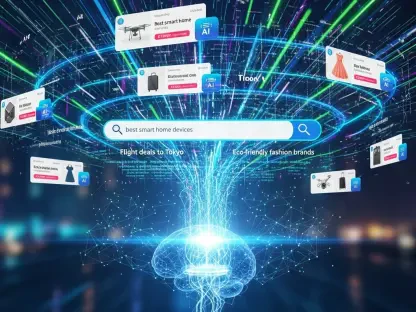
The rapid integration of generative intelligence into the Malaysian digital marketplace has fundamentally altered how businesses connect with consumers, forcing a total departure from outdated keyword strategies toward more fluid models. This shift represents more than a mere technical update; it

Navigating the complex intersection of search engine algorithms and organizational resource allocation remains one of the most significant hurdles for digital marketing teams today. While technical SEO is universally acknowledged as a vital component of organic growth, its actual implementation

The Shifting Foundations of Digital Discovery The long-standing digital pact between creators and search engines is unraveling as automated discovery tools prioritize efficiency over external exploration. For decades, the roadmap for small publishers was predictable: produce niche content and rely

The modern car buyer no longer wants to sift through lines of plain text when searching for their next vehicle; they expect a digital showroom experience right on the search engine results page. Google is addressing this expectation by transforming standard Search ads from static blocks of text

The traditional search engine results page, once a diverse list of blue links, has rapidly evolved into a single, authoritative synthesis generated by sophisticated artificial intelligence. This transformation defines the era of Answer Engine Optimization (AEO) and Generative Engine Optimization