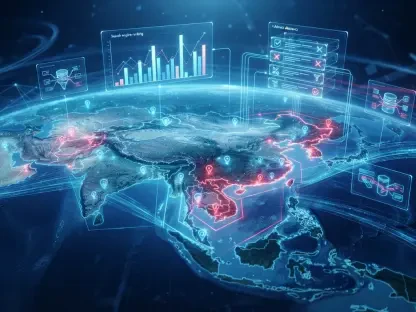

The landscape of digital visibility has fundamentally shifted away from a simple race for keyword density and backlink volume toward a sophisticated game of synthetic intelligence. This transition marks the emergence of Generative Engine Optimization, a framework designed to ensure that a brand

The digital landscape in 2026 has fully transitioned away from simple string-matching toward a sophisticated understanding of entities and intent where meaning outweighs repetition. Modern search engines no longer prioritize how many times a phrase appears on a page; instead, they evaluate the

Google has clarified that no hidden markup or special schema is required for content to be featured in generative search summaries beyond standard structured data. This official confirmation arrives at a time when the digital marketing industry is undergoing a massive transformation, driven by the
With the addition of device-level constraints, Microsoft acknowledges that AI optimization must still operate within the hardware boundaries defined by a company's business model. This shift represents a significant pivot in the ongoing evolution of Performance Max, a campaign type that has

The expansion of billable events now includes scenarios where a caller may wait longer than 20 seconds for an answer and then hang up without leaving a voicemail messag This shift marks a departure from the traditional lead-generation model that many home service providers have relied on for steady

The incident serves as a stark reminder that digital enterprises must maintain independent logs and multi-source verification strategies to insulate themselves from platform-specific failures. On September 1, 2026, the digital marketing landscape was plunged into a state of sudden and profound