
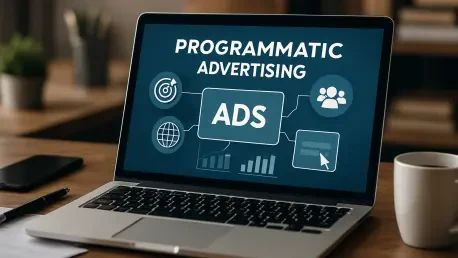
The traditional landscape of digital media procurement has undergone a seismic shift, moving away from the cumbersome manual negotiations that once defined the industry toward a high-velocity, algorithmically driven environment. Businesses now operate in a reality where the sheer volume of data and
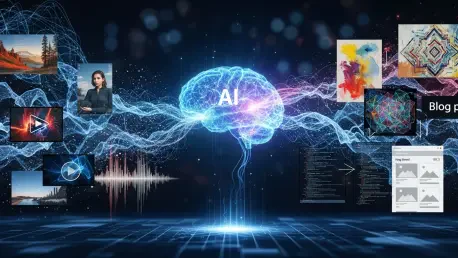
The transition of digital content creation from a manual, labor-intensive process to a series of highly sophisticated, automated workflows has fundamentally altered how modern enterprises communicate with their audiences. Businesses no longer view artificial intelligence as an experimental novelty

Digital inboxes have evolved into sophisticated battlegrounds where automated algorithms and authentic human sentiment compete for the fleeting attention of increasingly discerning consumers. The saturation of the digital landscape has forced a radical reimagining of how brands communicate with

The total immersion of nearly three billion digital natives into the primary economic engine of the world has created a definitive break from the consumer behaviors that defined the previous four decades. This generation, commonly known as Gen Z, represents 22.9% of the global population and has

The traditional advertising model, characterized by brief-to-execution cycles and static performance reports, is undergoing a radical transformation as global brands pivot toward continuous, data-driven marketing systems that prioritize long-term ecosystem health over individual campaign spikes.

The rapid integration of generative models and automated workflows has transformed the once-tedious task of crafting marketing campaigns into a streamlined process that can be executed with a few keystrokes. While this digital evolution promised a new era of hyper-personalized communication, it has