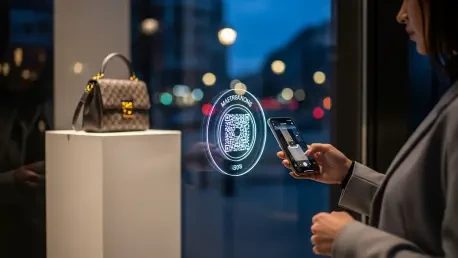

The humble QR code has undergone a startling metamorphosis, evolving from a sterile black-and-white grid into a dynamic gateway that defines how digital-native generations interact with the physical world. While critics once dismissed scannable markers as a passing fad of the early smartphone age, the current landscape proves otherwise. Snapchat has successfully reclaimed this territory by transforming its proprietary Snapcodes into sophisticated marketing engines that prioritize immersion over simple redirection. This strategic pivot moves the technology beyond a mere utility, positioning it as a critical bridge for brands seeking to capture the attention of a demographic that views the camera as their primary interface for discovery and commerce.
The Evolution of Snapcode Technology and Strategic Intent
Snapcodes represent the next logical step in the shift from static data retrieval to experiential engagement. Unlike traditional QR codes that serve as a passive link to a URL, Snapcodes are built on a framework of active participation. The technology utilizes a proprietary scanning logic that recognizes specific vector patterns and dot distributions to trigger actions within the Snapchat ecosystem. This closed-loop environment is intentional; it allows for a seamless handoff between the physical scan and the digital payload, ensuring that the user experience is curated and optimized for mobile hardware from the moment of contact.
The strategic intent behind this evolution is rooted in the “camera-first” philosophy. By embedding these codes into the physical environment, the platform effectively turns every storefront, package, and television screen into a potential point of entry for its ecosystem. This integration matters because it solves the “last mile” problem of digital marketing, providing a frictionless path for consumers to move from offline awareness to digital interaction without the traditional hurdles of manual searching or typing.
Core Technical Features and Performance Metrics
Brand Identity and Advanced Customization
One of the most significant advantages of Snapcodes over generic competitors is the ability to maintain visual brand integrity. Standard QR codes often clash with high-end aesthetic designs, but Snapcodes allow for logo embedding and unique color schemes that align with a brand’s existing identity. This implementation works by reserving a central “ghost” area for icons or logos while maintaining enough scannable data in the surrounding pattern to ensure reliability. This uniqueness is a powerful psychological trigger; consumers are more likely to interact with a branded, recognizable graphic than a generic pixelated square that lacks context or perceived safety.
Augmented Reality (AR) and Ad Experience Tools
The true technical prowess of the integration lies in its synergy with Augmented Reality Lenses. When a user scans a code, the technology can instantly launch a “Try-On” experience, utilizing machine learning to map digital products onto the user’s face or body in real time. This is not just a visual trick; it is a performance-driven tool that reduces the uncertainty inherent in online shopping. From a data perspective, these interactions provide marketers with deep insights into user behavior, measuring dwell time and interaction depth rather than just a binary click-through rate.
Emerging Trends in Mobile-First Consumer Behavior
Current market shifts show a marked resurgence in scan-based utility, driven by a post-pandemic comfort with contactless interfaces. However, the modern consumer demands more than a menu or a website; they seek “shoppertainment.” This trend is particularly evident among younger demographics who prefer to research products through visual discovery rather than text-heavy searches. The shift toward this behavior suggests that the camera has become the new browser, making scannable integration an essential component of any multi-channel retail strategy.
Real-World Applications and Industry Use Cases
Retail and Physical Storefront Integration
In the retail sector, Snapcodes act as 24-hour brand ambassadors. By placing codes on window displays, retailers can capture leads even when the physical doors are locked. This implementation is unique because it allows for “virtual window shopping,” where a scan might reveal an exclusive digital collection or provide a discount code for the online store. It effectively blurs the line between physical foot traffic and digital conversion, making the storefront a more versatile asset in a brand’s portfolio.
Product Packaging and Cross-Media Strategies
For consumer packaged goods, Snapcodes transform static boxes into interactive portals. A scan can reveal the supply chain journey of a product or offer interactive recipes, turning a one-time purchase into an ongoing relationship. Similarly, in television advertising, these codes provide an immediate call to action that bypasses the “second screen” friction. Instead of hoping a viewer remembers a brand name, the Snapcode allows for instant lead capture during the commercial break, significantly increasing the ROI of traditional media spend.
Challenges and Adoption Barriers
Despite its technical sophistication, the technology faces notable hurdles. Low-light environments and distant scanning remains a challenge for the optical recognition software, leading to occasional user frustration. Furthermore, the proprietary nature of the ecosystem means that users must have the specific app installed to interact with the codes. While this creates a high-quality experience, it also acts as a barrier compared to universal QR codes that work with any native camera app. Brands must weigh the high engagement of a curated experience against the broader reach of a generic alternative.
Future Outlook and Technological Trajectory
The trajectory of scannable tech is moving toward “frictionless immersion” and spatial computing. We are likely to see developments where the camera automatically recognizes products and brands without the need for a visible code at all, using purely visual AI. However, until that level of ubiquity is reached, Snapcodes serve as the essential training wheels for a world where the physical and digital are inseparable. The integration is paving the way for a more reactive environment where every object has a digital twin waiting to be unlocked.
Final Assessment of Snapcode Integration
The integration of Snapcodes into modern marketing proved to be a pivotal shift in how brands approached physical-to-digital transitions. By prioritizing brand identity and augmented reality over simple link-sharing, the technology offered a depth of engagement that competitors struggled to match. While the proprietary ecosystem remained a hurdle for some, the high-intent interactions it generated provided a blueprint for future spatial advertising. Marketers who moved early to adopt these tools gained a significant advantage in understanding the visual search habits of the next generation. Looking ahead, the focus must shift toward cross-platform interoperability and even more robust low-light recognition to ensure these bridges remain as accessible as the physical world they inhabit.