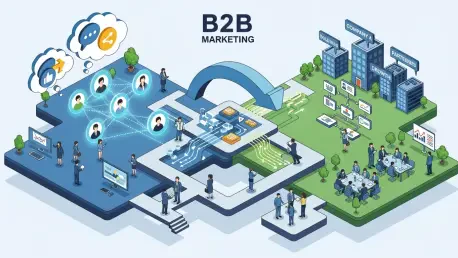

The landscape of corporate procurement and professional networking is undergoing a profound transformation as decision-makers move away from traditional, sterile environments toward platforms that prioritize genuine human connection. Modern business leaders no longer leave their professional identities at the door when they open a social app for personal use. Instead, the boundary between a consumer and a corporate executive has become increasingly porous, leading to a significant shift in where high-value business conversations actually begin.
The Shift in Digital Professional Networking and B2B Engagement
Traditional B2B outreach has long been confined to a few specialized platforms, but the current market climate suggests these silos are breaking down. As professionals seek more authentic interactions, Snapchat has transitioned from its origins as a youth-centric messaging tool into a legitimate professional touchpoint. Small-to-medium business owners, in particular, are finding that the platform allows for a level of directness and spontaneity that formal networks often lack.
This evolution is driven by the rapid integration of technology into every facet of daily life, blurring the lines between leisure and market research. When an entrepreneur engages with content on their phone, they do not necessarily distinguish between personal discovery and professional utility. Consequently, the significance of the SMB segment on mobile-first platforms has grown, creating a new environment where business-related decisions are influenced by real-time, visual communication.
Emerging Trends and Growth Projections in Professional Social Media
The Consumerization of B2B Marketing and Authentic Storytelling
The rise of digital natives into high-level executive positions has fundamentally altered how brand narratives are constructed. These leaders prioritize creator-led content over traditional white papers, favoring authenticity and transparency. By adopting a less formal tone, brands can bypass the fatigue often associated with corporate advertising, using human-centric marketing to build trust before a formal sales pitch even occurs.
Data Insights and the Economic Outlook for Multi-Platform Outreach
Strategic data highlights a robust economic outlook for unconventional social platforms, with business owners in technology and finance showing high activity levels. Projections suggest that B2B advertising spend on these channels will continue to climb through 2028. This trend reflects a broader move toward reaching “Snapchatters” who are not just passive users but active entrepreneurs looking for the next innovative tool to scale their operations.
Overcoming the Perception Gap and Platform Specific Obstacles
Skepticism remains regarding the utility of short-form video for high-ticket transactions. However, the challenge lies in adaptation rather than capability. Converting complex technical specifications into engaging, vertical video formats requires a creative shift. While attribution across these non-traditional channels remains complex, the potential for high engagement rates often outweighs the initial difficulty of tracking every touchpoint in a non-linear buyer journey.
Navigating Privacy Standards and Digital Advertising Compliance
Operating in a multi-platform world requires strict adherence to evolving data privacy laws like GDPR and CCPA. For B2B marketers, maintaining security in creator-led partnerships is paramount to ensuring brand safety. As regulations around financial and technological promotions tighten, platforms must provide transparent tools that allow businesses to reach professional audiences without compromising user privacy or ethical advertising standards.
The Future of Professional Outreach in a Multi-Platform World
Looking ahead, the integration of Augmented Reality will likely redefine B2B product demonstrations, allowing clients to visualize complex machinery or software interfaces in their own space. This technological leap, combined with AI-driven personalization, will enable even more refined targeting. The next generation of CEOs will likely prioritize platforms that offer immediate, authentic engagement over those that cling to outdated corporate formalities.
Redefining the B2B Playbook for Sustained Growth
Diversifying outreach strategy through unconventional channels offered a distinct competitive advantage for early adopters. Brands that successfully transitioned to a holistic, multi-channel approach found themselves better positioned to capture the attention of modern leaders. Moving forward, the most effective strategies involved a mix of technical authority and platform-specific creativity, ensuring that professional engagement remained both relevant and naturally integrated into the daily digital habits of the modern decision-maker.