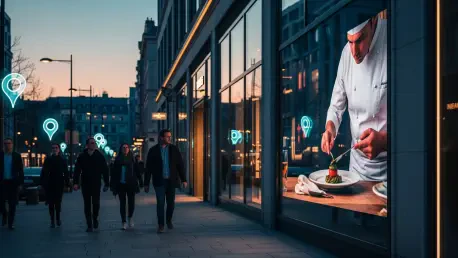

The transformation of the digital storefront has reached a critical juncture as Google moves beyond the static confines of traditional map pins to introduce high-definition video assets directly within the local search pack. This pilot program represents a fundamental pivot in how consumers interact with their immediate surroundings. Instead of relying on a single thumbnail or a list of text reviews, users now encounter dynamic snippets that provide a sensory preview of a physical location before they ever set foot inside. This shift is essential in a visual-first economy where traditional search results often fail to capture the atmosphere of a venue.
Introduction to Video Assets in Local Discovery
Google is testing the integration of video advertisements within the “local pack,” which are the map-based listings appearing for location-specific queries. This movement signals a departure from the text-heavy past, acknowledging that video often communicates more in five seconds than a paragraph of copy. For businesses, this means the map is no longer just a utility for directions but a stage for discovery.
The relevance of this technology is underscored by the demand for “immersive” browsing. As users become accustomed to short-form video on social platforms, they expect similar engagement levels when searching for a place to eat or shop. By embedding motion into the map interface, Google is bridge-building between social-style discovery and high-intent transactional search.
Technical Mechanisms and Core Ad Components
Integration with the Google Ads Location Manager
The backend execution of this technology relies on the Google Ads Location Manager and shared library settings. This configuration allows advertisers to sync video assets directly with their physical business locations without creating entirely separate campaign structures. It is a streamlined approach that prioritizes proximity, ensuring that the most relevant visual content is served based on the user’s geographic coordinates.
This implementation is unique because it leverages pre-opted configurations that allow for rapid deployment across the map ecosystem. Unlike standard YouTube ads that interrupt a content stream, these assets are pulled from a central library to enhance a search query. This ensures that the video serves as a helpful extension of the business profile rather than an intrusive distraction.
Immersive Visual Storytelling: The Local Pack Evolution
Transitioning from static images to high-definition video formats allows for a level of brand representation previously unavailable in local search. High-intent queries—those where a user is ready to visit a location—are now met with vivid storytelling that can highlight a restaurant’s ambiance or a store’s unique inventory. This creates a psychological connection that static photos often lack.
The depth of this visual content addresses the transparency gap that often exists in digital listings. By showcasing the real-time energy of a physical space, businesses can alleviate consumer hesitation. This evolution turns the local pack into a curated gallery, where the visual narrative becomes the primary driver for foot traffic and physical conversions.
Shifting Trends in Local Search Behavior
The search landscape is moving toward an “immersive view” that prioritizes interactive media over traditional blue links. Consumers today make decisions in seconds, often based on the visual “vibe” of a location. This trend reflects a broader cultural shift where the barrier between digital exploration and physical presence is becoming increasingly thin.
Furthermore, the demand for real-time information has changed how ads must function. Users want to see the current state of a business, and video provides a sense of authenticity that is hard to forge. This behavioral shift forces advertisers to move away from polished, static advertisements toward more dynamic and lifelike representations of their services.
Real-World Applications: Localized Industries
Retail and hospitality sectors are among the first to see the transformative power of this technology. A hotel can use a ten-second loop to show a panoramic view from a suite, while a boutique can display its latest collection in motion. These use cases provide a competitive edge in high-density urban environments where standing out among dozens of similar markers is a constant struggle.
Service-based businesses also find unique value here. For example, a gym or a specialized medical clinic can use video to demystify their facilities, making the space feel familiar to a potential client before they arrive. This dynamic content acts as a virtual tour, significantly lowering the barrier to the first visit by establishing a sense of comfort and familiarity through visual proof.
Barriers to Adoption: The Creative Challenge
Despite the clear advantages, the high cost of video production remains a significant hurdle. Creating professional-grade assets that look good on high-resolution screens requires a level of investment that many small businesses cannot easily afford. This creates a potential divide where only larger brands can fully capitalize on the immersive map view.
Additionally, technical hurdles persist regarding performance data. As the feature remains in a pilot phase, the analytics available to advertisers are not yet as robust as those for traditional text-based pay-per-click ads. This lack of granular insight makes it difficult for some to justify shifting their budget away from proven, albeit less engaging, static formats.
The Future: Immersive Search Technology
The roadmap for this technology likely includes deep integration with augmented reality. Future developments could allow users to point their phones at a street and see these video ads as digital overlays on the physical buildings themselves. This would transform the city into an interactive advertising canvas, blending the digital and physical worlds more seamlessly than ever before.
As artificial intelligence begins to lower the cost of video creation, the barrier to entry will eventually drop. This democratization will allow even the smallest local shops to compete in the visual arena. The long-term impact on the PPC ecosystem will be a shift in focus from keyword bidding to creative quality, where the most engaging visual story wins the customer.
Final Assessment: The Google Local Video Pilot
The strategic shift toward visual-heavy search surfaces reflected a necessary adaptation to modern consumer expectations. Google’s experiment with local video ads successfully demonstrated that the era of the static directory was coming to a close. By moving toward an immersive map view, the platform provided businesses with a powerful new medium to connect with customers at the exact moment of decision.
The pilot program proved that engagement levels were significantly higher when users could see a physical location in motion. Although creative costs and data transparency remained as initial challenges, the shift positioned early adopters as pioneers in a new age of discovery. Ultimately, this technology moved the industry closer to a world where search is not just a list of results, but a window into the physical world.