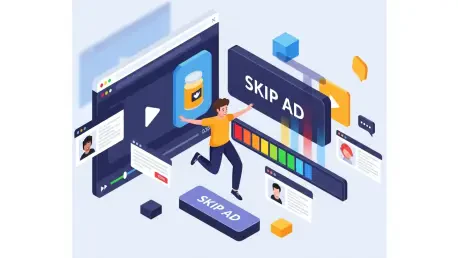

Digital advertising is undergoing a transformative shift as the long-standing “skip” button, once a symbol of viewer autonomy, no longer guarantees a completely clean screen for the audience. YouTube is currently piloting a sophisticated sticky banner format that maintains a branded presence even after a user chooses to bypass a video advertisement. Traditionally, the act of skipping was a binary event that removed all promotional elements instantly, but this new experimental model introduces a persistent overlay. This branded card or banner stays anchored within the video player, requiring a secondary, manual dismissal from the viewer to achieve an unobstructed view.
Redefining the Skip Experience for a Modern Audience
This evolution in interface design signifies a move away from the traditional exit-based advertising model toward a more integrated, persistent approach. For years, the platform has sought to balance the competing interests of content creators, global brands, and the general public. By introducing an overlay that lingers, YouTube is challenging the established social contract of skippable content. This shift suggests that the value of an impression is being recalculated to include the period immediately following a user’s rejection of a primary video spot, essentially blurring the line between an ad and the content interface.
From Pre-Rolls to Persistence: The Evolution of YouTube’s Ad Strategy
Understanding the current trajectory requires a look at how digital monetization has matured over the last several years. As “ad blindness” becomes a standard psychological response among billions of internet users, the impact of a traditional five-second countdown has steadily diminished for high-stakes advertisers. The industry has moved from simple unskippable spots to complex, data-driven formats designed to capture attention in fragments. This latest iteration is a strategic pivot intended to combat the reflexive instinct to skip by ensuring a brand’s visual footprint remains visible during the most critical moments of content consumption.
Analyzing the Strategic Shift in Ad Persistence
Boosting Advertiser ROI: The Value of Extended Impression Windows
The primary driver behind this innovation is the pursuit of a “second chance” for brand exposure. From a performance marketing perspective, the sticky banner ensures that a core message or call-to-action remains in the viewer’s line of sight even after they have expressed a clear desire to move on. By extending this engagement window, the platform provides advertisers with a more robust metric for brand recall. Within the broader Google ecosystem, this means that existing inventory is being optimized to provide continuous visibility, turning a simple skip into a transition rather than a hard stop.
Navigating the Friction: User Satisfaction Versus Platform Revenue
While the benefits for the bottom line are evident, this development introduces significant tension regarding user experience and interface friction. Requiring a viewer to perform multiple actions to clear their screen could lead to “dismissal fatigue,” a phenomenon where users become increasingly frustrated with layered interactions. The platform faces a delicate balancing act; if the advertising presence becomes too intrusive, it risks alienating the audience and eroding long-term loyalty. Maintaining a high-quality viewing environment while satisfying the demands of global brands is a challenge that requires precise calibration of overlay frequency and size.
Technical Implementation: Addressing Complexities and Misconceptions
Industry analysts have observed that this trial represents a departure from standard digital protocols by redefining what a “successful” impression looks like. Implementing these banners involves navigating technical hurdles across different devices, such as the limited screen real estate on mobile versus the expansive layout of desktop browsers. It is important to recognize that these persistent banners are not a technical glitch or a bug in the player’s code, but a deliberate design choice. This approach ensures that even when a viewer rejects a video, the brand retains a visual foothold on the screen through a streamlined, non-video asset.
The Road Ahead: Anticipating the Future of Digital Ad Inventory
Looking toward the next few years, the success of these trials will likely dictate a broader industry trend toward “persistent but passive” advertising. We are entering an era where promotional content is increasingly woven into the user interface rather than just placed around the edges. As machine learning models become more adept at personalizing these overlays, the banners will likely become more dynamic, showing offers that are specifically tailored to the viewer’s current intent. This evolution could lead to a future where the distinction between a video ad and a shopping interface becomes almost entirely transparent.
Strategic Recommendations: Navigating the New Landscape
For businesses and creative agencies, this shift demands a new philosophy regarding asset design. Because the banner remains after the video is gone, the static visual elements of an ad campaign have become just as vital as the high-production video content. Marketers must now prioritize high-contrast designs and extremely clear messaging that can be processed at a glance. For the average viewer, adapting to these interface changes will require a new level of digital literacy as they learn to manage multiple layers of content. Brands should carefully monitor audience sentiment to ensure that increased visibility does not translate into brand resentment.
Summary of Findings and Market Implications
The transition toward sticky banners highlighted a fundamental change in the digital economy’s approach to user attention. The experiment demonstrated that the industry no longer viewed the “skip” function as a final exit, but as a gateway to a secondary, less intensive branded experience. Market analysts observed that this strategy effectively maximized the utility of every second of screen time. Businesses that prioritized clear, non-intrusive secondary assets found higher engagement rates compared to those that relied solely on traditional video spots. Ultimately, the trial proved that the future of digital advertising lay in the seamless integration of brand presence within the functional UI of the platform.