
The sudden disappearance of perfectly curated aesthetics on social media feeds marks a significant departure from the previous decade of digital marketing where glossiness reigned supreme over substance. In today’s digital landscape, users demonstrate an almost instinctive ability to filter out sponsored content that lacks a genuine connection to the creator’s lifestyle or stated values. This behavioral shift forced a massive recalibration within the multi-billion dollar industry, as engagement metrics now prioritize sentiment and retention over mere view counts or surface-level likes. As algorithmic preferences evolve to reward consistency and relatability, the distance between the professional creator and the amateur hobbyist narrowed, creating a competitive environment where trust serves as the only stable currency. Organizations that ignored this trend found themselves shouting into a vacuum, while those who embraced transparency and direct communication with their followers secured a dominant position.
Digital Engagement: The Evolution of Content
Audience Expectations: Shifting Paradigms
The shift toward authenticity has paved the way for a more human-centric digital economy where vulnerability is no longer seen as a weakness but as a strategic advantage for growth. Creators who openly discuss their failures, behind-the-scenes challenges, and ethical dilemmas often see a more significant boost in loyalty compared to those who only project a highlight reel of successes. This trend is particularly evident in the rise of long-form video content and live streaming, where the lack of an edit button forces a more honest interaction between the creator and the audience. By stripping away the digital facade, influencers are able to build a “parasocial” bond that feels more like a partnership than a one-way broadcast. Consequently, the metrics of success moved beyond the superficial tally of followers to more meaningful indicators like comment sentiment and the percentage of recurring viewers. This deeper level of connection ensures that the audience remains invested in the narrative.
Market Verification: The Role of Technology
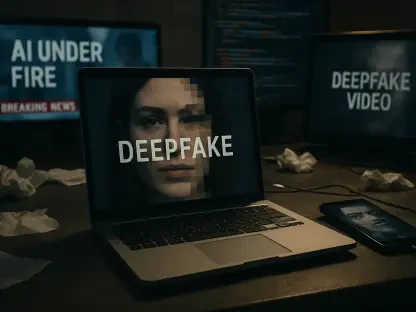
As the volume of digital content continues to explode, the necessity for verifiable authenticity has given rise to new technological standards for content identification and ownership. From the beginning of 2026, the implementation of blockchain-based content logs and digital signatures has become standard practice for high-level creators looking to prove the originality of their work. These tools allow audiences to trace the provenance of a video or article, ensuring that the information is coming from a trusted source rather than a malicious deepfake or an unauthorized bot. Moreover, platforms have introduced tiered verification systems that go beyond the simple blue checkmark, incorporating metadata that confirms the absence of heavy AI manipulation in “authentic” categories. This technical layer of trust provides a safeguard for both creators and brands, as it mitigates the risks associated with intellectual property theft and reputation damage. By prioritizing security, creators are able to differentiate themselves.
Business Models: Sustainable Growth Strategies
Financial Evolution: Transitioning From Transactions to Equity
The economic structure of the creator world is undergoing a significant transformation as individuals move away from short-term sponsored posts toward long-term equity-based partnerships. Instead of receiving a flat fee for a single mention, creators now negotiate for shares in companies or direct profit-sharing arrangements that align their success with the brand’s overall performance. This model naturally fosters greater authenticity because the creator is incentivized to only partner with companies they genuinely support and use in their daily lives. From 2026 to 2028, these deep integrations are expected to become the primary revenue driver for the top 10% of digital professionals. Such arrangements discourage the “shilling” of low-quality products and force a more rigorous vetting process on both sides of the deal. When a creator’s financial future is tied to the longevity of a product, their recommendations carry significantly more weight with their audience. This shift reflects a maturing industry.
Strategic Adaptation: The Path to Ethical Influence
The industry observed that creators who prioritized ethical considerations and clear disclosure protocols consistently outperformed those who prioritized short-term metrics. To adapt to these changes, successful individuals adopted a policy of radical transparency regarding their use of artificial intelligence and automated tools. They established clear boundaries between personal expression and commercial obligations, which effectively preserved their unique voice in a landscape increasingly populated by generic synthetic content. Furthermore, leaders in the space implemented direct-to-consumer communication channels, such as specialized newsletters and private community hubs, to reduce their reliance on unpredictable platform algorithms. These proactive steps allowed creators to maintain control over their data and their relationship with their fans. By focusing on high-quality, human-led storytelling, professionals secured their positions against the rising tide of automated noise. Ultimately, the industry rewarded those who respected the audience.