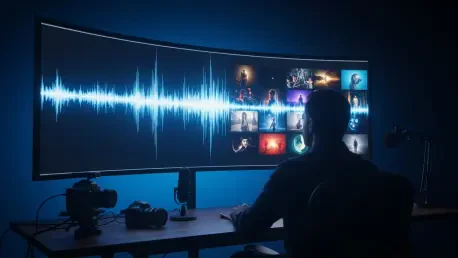

The digital landscape no longer tolerates the slow pace of manual video production, pushing creators toward a reality where complex narratives are synthesized in minutes rather than weeks. This evolution is spearheaded by Pictory AI, a platform designed to dismantle the technical barriers that once confined professional video editing to the hands of a specialized few. By bridging the gap between raw audio narratives and visual storytelling, the system leverages machine learning to transform the way information is consumed and distributed. It stands as a pivotal development in the broader technological ecosystem, specifically targeting the high-demand sectors of digital marketing, social media, and decentralized education.
Introduction to Audio-to-Video Automation
Pictory AI operates on the fundamental principle that audio is the modern storyboard. Instead of requiring a human editor to manually scrub through hours of footage, the platform uses machine learning to interpret the nuance of spoken word and translate it into a visual language. This capability is particularly relevant for those seeking to maximize their digital presence without the prohibitive costs of a full-scale production team. It turns a static podcast or a long-form lecture into a dynamic visual experience, ensuring that the essence of the message is preserved while its reach is exponentially expanded.
The relevance of this technology extends beyond mere convenience. In an era where attention spans are measured in seconds, the ability to rapidly produce synchronized video content is a competitive necessity. Pictory AI serves as a specialized engine that streamlines this process, allowing for the creation of educational modules and marketing materials at a speed that traditional workflows simply cannot match. This efficiency is the cornerstone of its value proposition, positioning it as a mandatory tool for modern digital strategists.
Core Technical Framework and Functionalities
Natural Language Processing and Automated Transcription
The technical foundation of the platform rests upon sophisticated speech-to-text algorithms that handle the heavy lifting of narrative analysis. These algorithms do not just transcribe words; they interpret the structure of a script to identify key themes and pivotal moments. This automated transcription forms the backbone of the entire video creation process, turning a complex audio file into a manageable text-based asset. By providing a readable script, the system allows users to edit video content with the same ease as modifying a word document.
Computer Vision and Visual Synchronization
Once the text is established, a predictive matching engine utilizes computer vision to scan massive libraries of stock footage and animations. The innovation here lies in the synchronization; the AI aligns specific visual scenes with the corresponding narrative themes to maintain a natural rhythm. This is where Pictory differentiates itself from traditional automated editors. Instead of generic overlays, it seeks to create a cohesive flow where the visual transitions complement the cadence of the narrator, resulting in a product that feels intentionally directed rather than randomly assembled.
Branding Customization and Efficiency Tools
A professional appearance requires more than just high-quality footage; it necessitates a consistent visual identity. The platform integrates tools for unique branding, enabling the seamless insertion of logos, specific color palettes, and custom typography. This “script-to-video” workflow is further enhanced by efficiency tools that allow for rapid content modification. If a narrator’s point changes, the user simply adjusts the text, and the AI automatically recalibrates the visual sequence. This flexibility eliminates the need for tedious re-editing, significantly lowering the technical floor for high-end production.
Recent Innovations and Industry Shifts
The media production industry has witnessed a significant pivot toward content repurposing at scale. Recent developments in the field have enabled creators to reduce production overhead by nearly 70%, moving away from the labor-intensive models of the past. This shift has birthed the “creator-as-curator” model, where industry professionals focus on AI-assisted content management and strategic direction rather than manual technical execution. This transition allows for a higher volume of output without sacrificing the creative integrity of the final product.
Moreover, the emergence of these automated systems has changed the expectations of the audience. There is now a demand for constant, high-quality visual updates across multiple platforms. Pictory AI has capitalized on this trend by offering a suite of tools that make multi-platform distribution effortless. As a result, the industry is moving away from singular, large-scale releases toward a continuous stream of micro-content that keeps audiences engaged over longer periods.
Real-World Applications and Economic Impact
The deployment of Pictory AI has effectively democratized professional-grade video production across various sectors. Small business marketing teams, which previously lacked the budget for cinematic advertisements, now produce high-converting content with minimal investment. In the world of podcasting, creators utilize the tool to generate social media snippets from long-form episodes, maximizing discoverability on visual-centric platforms. This economic shift allows smaller entities to compete with larger corporations on a more level playing field.
In the educational sector, the impact is equally profound. E-learning platforms use these automation tools to transform complex lectures into digestible video modules. This accessibility ensures that educational content is not only informative but also engaging for diverse learning styles. By generating captioned snippets and summary videos, educators can reach a wider audience, including those who rely on visual aids or subtitles for better comprehension, thereby increasing the overall efficiency of digital knowledge transfer.
Technical Challenges and Ethical Considerations
Despite its impressive capabilities, the technology faces significant hurdles, particularly concerning data privacy and regulatory compliance. Adhering to frameworks like the GDPR and CCPA is a constant challenge for AI platforms that process large amounts of user-generated audio and video data. Ensuring that user information is handled securely while maintaining the speed of the AI’s processing power requires ongoing technical vigilance and robust encryption protocols.
Furthermore, the issue of algorithmic bias in visual selection remains a critical point of discussion. Because AI models are trained on existing stock libraries, there is a persistent risk of the software selecting visuals that lack diversity or reinforce existing stereotypes. Addressing these limitations requires human oversight and the continuous development of more inclusive training datasets. Developers are currently focused on refining these algorithms to ensure that the content produced is representative and fair, acknowledging that the human element is still vital for ethical quality control.
Future Trajectory of Media Automation
The next phase of media automation is expected to involve the integration of deeper generative AI models. Instead of relying solely on existing stock libraries, future iterations will likely have the capacity to create custom-generated scenes from scratch, tailored perfectly to the narrative. This evolution will further reduce the reliance on third-party assets and offer even greater creative control to the user. We are moving toward a period where the visuals are as unique as the voice behind them.
Additionally, potential breakthroughs in real-time conversion could see these audio-to-video tools expanding into immersive 3D and Virtual Reality (VR) environments. The prospect of turning a live audio feed into a fully realized virtual space in real-time would revolutionize the way we experience digital events and remote collaboration. As processing power continues to climb, the boundary between the spoken word and the visual world will continue to blur, leading to a more integrated digital experience.
Final Assessment of Pictory AI
The implementation of Pictory AI was a definitive step toward the decentralization of creative power in the media sector. It successfully lowered the entry barrier for professional video production, allowing a broader range of voices to be heard through high-quality visual storytelling. By automating the most tedious aspects of editing, the platform enabled users to focus on narrative strategy rather than technical hurdles. The software proved to be an indispensable asset for digital strategists, providing a balanced blend of efficiency and customization that was previously unattainable for most.
The technology demonstrated that while AI could handle the heavy lifting of visual synchronization, the human element remained essential for brand integrity and ethical oversight. As the system evolved, it fostered a more agile media landscape where content could be repurposed and distributed across various channels with unprecedented speed. Ultimately, the shift toward AI-assisted curation represented a long-term change in global communication, ensuring that professional visual narratives were no longer a luxury, but a standard accessible to all. The platform established a new benchmark for what is possible when machine learning is applied to the art of storytelling.