
The rapid evolution of synthetic media has moved beyond simple experimentation into a domain where digital personalities now command larger audiences and higher engagement rates than many of their human counterparts. This transformation allows brands and individual creators to bypass the traditional constraints of physical production, shifting toward a model where creativity is the only limiting factor. Instead of coordinating cameras, lighting, and talent, producers now orchestrate complex algorithms to generate seamless, high-fidelity content.
This guide serves as a comprehensive roadmap for navigating this technical terrain, illustrating how to construct a virtual influencer from the ground up. By mastering the integration of visual consistency, natural movement, and strategic branding, one can develop a digital asset that operates around the clock. The objective is to achieve a level of realism that fosters genuine connection with an audience while maintaining the efficiency of an automated pipeline.
The process described herein prioritizes the establishment of a robust character foundation before any video frames are rendered. Success in this field requires more than just high-quality pixels; it demands a deep understanding of persona development and technical refinement. Through a structured series of steps, creators can transition from static ideas to dynamic social media presences that resonate across various digital platforms.
Transforming Social Media Content Through Virtual Personalities
The digital landscape is currently undergoing a fundamental shift from static, cartoonish avatars to lifelike AI influencers that possess unique personalities and consistent visual identities. This evolution allows for a repeatable workflow where creators produce high-quality TikToks, Reels, and YouTube Shorts without ever needing to pick up a physical camera. By treating these AI characters as professional content creators rather than digital novelties, anyone can scale their social media presence through automated video production systems that maintain high engagement.
Modern virtual personalities offer a level of creative control that was previously impossible. Every aspect of their appearance, voice, and behavior can be meticulously designed to fit a specific brand or niche. This transition toward digital talent enables a constant stream of content that can be updated or modified instantly, ensuring that the influencer remains relevant in the fast-paced cycle of social media trends.
Why AI Influencers Are Disrupting Traditional Production Models
Traditional filming is often hindered by high costs, scheduling conflicts, and the significant logistical burden of reshoots or international travel. In contrast, AI influencers offer a strategic solution by providing 24/7 availability and perfect visual consistency across multiple marketing campaigns. This approach eliminates the need for expensive studio rentals and allows for rapid iteration of content ideas, making it a highly attractive option for brands looking to maximize their return on investment.
While this digital shift reduces the need for physical sets, it also introduces new technical and environmental considerations. The rising energy demands of data centers required to process heavy generative AI workloads are a significant factor in modern production. Current estimates indicate that global data-center electricity use has reached substantial levels in 2026, with AI being a primary driver of this growth. Balancing the efficiency of avoided physical production with the computing power required for digital generation is a key consideration for sustainable content strategies.
A Strategic Workflow for Building and Animating AI Creators
Developing a successful virtual personality requires a methodical approach that moves from abstract concepts to polished video assets. The transition from a simple idea to a fully functional influencer involves multiple stages of refinement, each building upon the last to ensure a high level of realism. Without a structured workflow, creators often struggle with consistency, resulting in a character that looks different in every video.
Step 1: Establishing a Comprehensive Character Identity
Before generating any visuals, it is essential to define the “soul” of the influencer to ensure they resonate with a target audience. A well-defined identity serves as a north star for all future content, guiding decisions on everything from wardrobe choices to the tone of a caption. This foundational stage is what separates a generic digital puppet from a compelling online personality.
Defining Visual Traits and Personality Archetypes
A clear visual archetype helps the AI model understand the core features that must remain constant. Defining traits such as age, heritage, and specific facial characteristics ensures that the generator produces a face that is recognizable across various environments. Personality archetypes, such as the “minimalist expert” or the “energetic adventurer,” provide a framework for how the character should interact with their surroundings and their audience.
Moreover, these traits dictate the overall vibe of the influencer’s social media grid. A professional archetype might favor neutral colors and structured clothing, whereas a lifestyle influencer might appear in softer lighting with more casual attire. Establishing these parameters early prevents the confusion that often arises when a character’s appearance does not match their supposed personality or niche.
Crafting a Specific Niche and Engagement Style
Successful influencers are rarely generalists; they dominate specific niches that allow them to build a dedicated following. Whether the focus is on sustainable fashion, tech reviews, or wellness, the niche dictates the vocabulary and the aesthetic of the content. A specific engagement style, such as being highly interactive or more observational, further defines how the character builds trust with their viewers.
The way an influencer communicates is just as important as their look. A casual, confident speaking style might work best for beauty tutorials, while a more educational and measured tone is appropriate for financial advice content. By mapping out these engagement details, creators ensure that every piece of content feels intentional and aligned with the overarching brand strategy.
Step 2: Designing the Visual Foundation and Reference Library
Consistency is the most common challenge in synthetic content, making the initial design phase critical for long-term success. Relying on a single prompt for every video is a recipe for failure, as the AI will inevitably introduce slight variations that break the illusion of a real person. Building a comprehensive reference library provides the necessary data to keep the character stable across different scenes.
Developing High-Fidelity Character Portraits
The process begins with generating a series of high-fidelity portraits that serve as the master reference for the character’s face. These images must be clear, well-lit, and represent the character in their most natural state. These portraits are used to train or guide the AI in future generations, ensuring that the bone structure, eye color, and hair texture remain identical regardless of the setting.
These portraits should also explore different expressions to provide a range of emotions for the video generation phase. Capturing the character in neutral, happy, and surprised states allows for more dynamic storytelling later. This initial investment in quality ensures that the foundation of the influencer is solid enough to support hundreds of future videos.
Creating Multi-Angle References for Stable Video Generation
To transition into video effectively, the AI needs to understand how the character looks from multiple perspectives. Generating references from the front, profile, and three-quarter views allows the software to map the face onto a three-dimensional space. This prevents the “morphing” effect often seen in low-quality AI videos where the character’s features shift as they turn their head.
In addition to angles, these references should include various lighting conditions and distances, such as close-up headshots and full-body images. Having a library of multi-angle shots ensures that the creator can place the influencer in any virtual environment with confidence. This stability is what creates the professional, commercial-grade look required for high-level social media influence.
Step 3: Refining Aesthetic Details Without Changing the Character
Once a base look is established, minor adjustments are made to ensure the influencer can adapt to different settings and outfits. This stage focuses on the flexibility of the character, allowing them to remain consistent while participating in different activities or seasons. The goal is to evolve the character’s world without altering the recognizable features that the audience has come to know.
Utilizing Image-to-Image Tools for Wardrobe Variations
Image-to-image technology allows for the alteration of clothing and accessories while keeping the underlying character’s face and body structure intact. This is particularly useful for fashion influencers who need to showcase a variety of styles without the need for a physical photoshoot. By feeding the master reference into the tool and providing a new prompt for clothing, creators can generate an endless wardrobe.
This technique ensures that the fabric textures and fits appear realistic and integrated with the character’s form. It also allows for brand collaborations where the influencer needs to “wear” a specific product or garment. The precision of these tools ensures that the transition between different outfits remains seamless and believable to the viewer.
Adjusting Environmental Lighting and Background Styles
The environment in which an influencer appears significantly impacts the perceived mood and authenticity of the content. Adjusting the lighting to match the background—whether it is the golden hour of an outdoor park or the soft, controlled light of a modern studio—is essential for visual integration. High-quality AI tools can simulate these complex lighting interactions to make the character feel like a physical part of the scene.
Background styles should also reflect the character’s niche and lifestyle. A luxury influencer might be placed in high-end hotels or sleek metropolitan settings, whereas a fitness influencer would be better suited to gyms or natural landscapes. Consistency in these background styles helps establish a “world” for the influencer, making their daily life feel more cohesive and interesting to followers.
Step 4: Converting Static Avatars into Commercial-Grade Video
The transition from image to motion is where the influencer begins to feel like a real person capable of promoting products or sharing stories. This phase involves animating the static references to create fluid, natural movement. Modern video synthesis tools have reached a point where the subtle nuances of human facial movement can be replicated with surprising accuracy.
Applying Image-to-Video Techniques for Realistic Expressions
Advanced image-to-video techniques take the master portraits and breathe life into them by simulating blinks, micro-expressions, and mouth movements. These subtle details are crucial for maintaining the “uncanny valley” balance, where the character looks human enough to be relatable. The software analyzes the facial landmarks in the reference image to ensure that the animation remains true to the original character design.
Beyond basic movement, these tools can also synchronize the character’s lips with a specific voiceover. This allows the AI influencer to deliver speeches, product reviews, or personal anecdotes with a high level of synchronization. The result is a video that looks as though it were filmed in a traditional studio setting, with the added benefit of being produced in a fraction of the time.
Incorporating Lifestyle B-Roll for Dynamic Storytelling
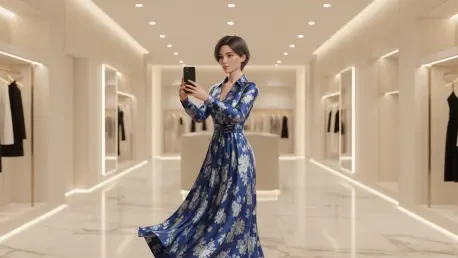
A video consisting only of a talking head can quickly become monotonous for the audience. Incorporating lifestyle B-roll, such as shots of the influencer walking, looking at a phone, or interacting with a product, adds layers to the narrative. This supplemental footage helps break up the main dialogue and makes the content feel more like a traditional vlog or professional advertisement.
These B-roll clips can be generated using the same character references to ensure that the influencer looks the same in every shot. By alternating between direct addresses to the camera and lifestyle segments, creators can keep the viewer’s attention and provide a more immersive experience. This dynamic approach is a hallmark of successful social media content in the current digital era.
Step 5: Injecting Natural Human Movement and Body Language
Static talking heads are a giveaway of AI production; natural gestures are required to maintain viewer immersion and trust. Human communication is largely non-verbal, meaning the influencer must move their hands, tilt their head, and shift their weight just like a real person. Injecting these physical habits makes the character feel less like a digital asset and more like a living personality.
Using Motion Transfer to Replicate Human Gestures
Motion transfer technology allows creators to take the movement from a real human video and apply it to the AI influencer. This technique ensures that the gestures are physiologically accurate and have the weight and rhythm of actual human motion. By filming a simple reference video of a person performing a task, the AI can replicate those exact movements on the digital character.
This is particularly effective for complex actions like unboxing a product or demonstrating a workout routine. The motion transfer process preserves the nuances of the human performance, such as the way a hand grips an object or the subtle movement of the shoulders during speech. This bridge between human acting and digital rendering is the key to creating truly lifelike influencers.
Matching Physical Habits to the Influencer’s Personality
Body language should be a direct extension of the character’s established identity. An intellectual or professional character might use small, controlled hand gestures and maintain a steady posture, while a high-energy influencer might move more frequently and expressively. Aligning these physical habits with the personality archetype prevents the character from appearing “generic” or disconnected from their brand.
Consistent physical habits also help with audience recognition. If an influencer has a specific way of waving at the start of a video or a particular head tilt when they are thinking, these become recognizable trademarks. These small, repeatable actions build a sense of familiarity, making the AI character feel more like a real person with their own set of unique quirks.
Step 6: Scaling Content with Character Swaps and Proven Templates
Efficiency is maximized by reusing successful video structures and simply swapping the digital presenter. Once a specific video format—such as a “top five tips” or a “day in the life”—is proven to work, it can be repurposed for multiple influencers or localized for different regions. This modular approach to content creation allows for an unprecedented scale of production.
Repurposing High-Performing Hooks for Different Personas
The first few seconds of a social media video are the most critical for retention. By taking hooks that have already demonstrated high engagement and applying them to various AI characters, creators can reliably generate views. A successful hook can be adapted to fit different niches, such as changing a “skincare secret” hook into a “productivity hack” while keeping the same visual rhythm and editing style.
This strategy allows for rapid testing of different personas to see which one resonates best with a specific audience. Because the underlying video structure is already built, swapping the character is a relatively quick technical process. This data-driven approach to scaling ensures that the content remains competitive in a crowded digital marketplace.
Localizing Content for Global Audiences via Character Substitution
One of the greatest advantages of AI influencers is the ability to localize content for different cultures and languages without reshooting. A campaign created for an American audience can be adapted for a Japanese or Brazilian audience by swapping the character’s appearance and voice while keeping the core message. This ensures that the content feels native to every region it reaches.
Localization goes beyond just language translation; it involves adjusting the character’s look and style to match local trends and preferences. By utilizing character substitution, a single brand can maintain a global presence with multiple influencers, all delivering the same high-quality content in a way that feels authentic to local viewers.
Step 7: Maintaining Long-Term Visual and Brand Consistency
To build a loyal following, the influencer must look and act the same in every video across weeks or even months of content. Any deviation in their appearance can break the audience’s trust and make the channel feel unprofessional. Maintaining this level of consistency requires a disciplined approach to the production pipeline and the use of specialized tools.
Utilizing Multi-Shot Generators for Structured Video Series
Multi-shot generators are designed to handle complex sequences where the character appears in different positions and environments within a single video. These tools are essential for creating structured series, such as a multi-part documentary or a long-form tutorial. They ensure that the lighting, wardrobe, and character features remain identical from the first shot to the last.
Using these generators allows for more sophisticated storytelling, where the character can move through different rooms or change their proximity to the camera. This level of technical control is vital for creators who want to move beyond simple 15-second clips and into more substantial, professional video productions.
Establishing a Recognizable Wardrobe and Color Palette
Just as real celebrities have signature styles, a virtual influencer should have a recognizable wardrobe and a consistent color palette. This visual branding makes the character instantly identifiable in a fast-moving social media feed. Establishing a set of core outfits and colors that are used repeatedly helps reinforce the influencer’s identity and professional image.
A consistent color palette also extends to the editing and color grading of the videos. Using the same filters and tones across all content creates a cohesive aesthetic that fans will associate with that specific personality. This attention to detail is what transforms a series of isolated videos into a cohesive and influential digital brand.
Summary of the AI Influencer Production Workflow
The creation of a digital personality is a multi-layered process that relies on a combination of creative vision and technical precision. The following points summarize the essential stages of the production cycle:
- Identity Design: Clearly define the name, niche, and personality of the influencer to guide all future creative decisions.
- Visual Generation: Create a comprehensive set of consistent reference images to serve as the character’s visual anchor.
- Refinement: Use advanced image tools to adjust clothing and environmental settings while keeping the face and body structure identical.
- Animation: Convert high-quality images into video with natural facial expressions and synchronized speech.
- Motion Capture: Transfer movements from real human references to provide the AI model with believable body language.
- Consistency Check: Implement strict guidelines to ensure every video adheres to the established character and brand standards.
The Future of Digital Influence and Industry Evolution
The rise of AI influencers signifies a broader trend toward personalized, on-demand media where brands can tailor creators to specific demographics instantly. As the technology continues to advance, the line between physical and digital creators will continue to blur, presenting both opportunities for hyper-efficient marketing and challenges regarding transparency. This evolution allows for localized, 24/7 storytelling that was previously impossible for human-led production teams to achieve.
Furthermore, the integration of these influencers into live-streaming and interactive platforms is expected to increase. The ability to engage with an audience in real-time using a synthetic persona will open new avenues for entertainment and commerce. As the tools become more accessible, the barriers to entry will continue to drop, shifting the focus from technical skill to the strength of the character’s brand and the quality of the storytelling.
Launching Your Sustainable Digital Presence
The development of these virtual assets represented a significant leap in media efficiency and creative freedom. By following a structured workflow that prioritized character consistency and natural movement, producers successfully built reusable digital assets that grew in value over time. This approach moved beyond mere experimentation, establishing a system where every video strengthened the influencer’s brand and allowed for infinite content possibilities without the need for traditional filming.
In the final stages of implementation, the focus shifted toward long-term audience engagement and the ethical integration of synthetic media into the broader cultural landscape. High-fidelity visuals were combined with strategic narrative hooks to create a presence that felt both authentic and innovative. Ultimately, the successful deployment of these influencers proved that a well-crafted digital identity could command as much authority and trust as any traditional media figure.