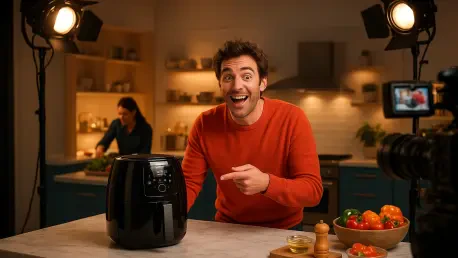

The traditional kitchenware marketing playbook, once anchored by thirty-second television spots and glossy magazine spreads, has been completely upended by the relentless pace of digital-first consumption patterns. As the industry navigates through 2026, the landscape is increasingly defined by a transition toward social-first marketing strategies that prioritize long-term brand equity over immediate sales pressure. This shift reflects a broader movement where the utility of a product is no longer the sole selling point for a digital-native audience.
Major players like Conair Corporation are pioneering creative pivots to maintain market relevance in an environment saturated with advertisements. By moving from product-heavy legacy advertising to narrative-driven, episodic content, these brands are successfully reaching a younger demographic. Short-form video platforms like TikTok, Instagram Reels, and YouTube Shorts have redefined the scope of brand outreach, turning what was once a secondary channel into the primary engine for consumer engagement.
The Shift from Traditional Kitchenware Advertising to High-Tech Branded Entertainment
The transition from conventional media to high-tech branded entertainment has fundamentally altered how kitchenware brands communicate their value. Instead of relying on static imagery, companies are investing in high-quality video content that mirrors the aesthetic and pace of popular social media trends. This approach allows brands to integrate their products into a lifestyle context that feels organic rather than forced.
Success in this new era requires an understanding of how narrative structures work on platforms designed for quick scrolling. By focusing on episodic content, brands can build a recurring audience that treats marketing materials as entertainment. This strategy not only increases brand recall but also fosters a deeper emotional connection between the consumer and the household goods they use every day.
Decoding Modern Consumption: Branded Sitcoms and Data-Driven AI Creative
The Rise of Branded Microdramas and Comedy-First Storytelling
The rise of shoppertainment has led to the adoption of branded microdramas, where comedy-first storytelling replaces traditional commercial pitches. Series such as The Starving Artist demonstrate how episodic characters can introduce products like air fryers and ice cream makers in a humorous context. These non-linear content structures are specifically designed to thrive within unpredictable algorithmic feeds where viewers may encounter episodes in a random order.
Collaborations between high-end food stylists and comedic writers ensure that while the content is funny, the culinary results remain authentic and aspirational. This balance is crucial for maintaining brand authority, as it prevents the product from being overshadowed by the humor. By creating a character-driven world, the brand moves away from transactional relationships toward a more integrated presence in the consumer’s digital life.
Quantifying Success Through AI Integration and Performance Metrics
The integration of AI-driven creative tools has provided brands with the ability to quantify success through more precise performance metrics. Utilizing tools like Amazon’s Creative Agent, brands have seen an 18 percent increase in detailed page views while simultaneously reducing production costs. This technological efficiency allows for the rapid generation of video content that can be tested and optimized based on real-time consumer data.
Cost-efficiency remains a significant driver for AI adoption, as it lowers the barrier to entry for high-volume content production. Growth projections from 2026 to 2028 indicate that kitchenware brands bridging the gap between creative storytelling and automated technology will likely see higher returns on investment. These tools empower marketing teams to focus on strategy while the AI handles the logistical burdens of video formatting and scaling.
Overcoming Ad Blindness and the Challenges of the Thumb-Scrolling Era
Consumer ad blindness has become a formidable obstacle in an era of diminishing attention spans and constant digital noise. To capture interest, marketing must be engaging enough to halt the thumb-scrolling habit within the first few seconds. This requires a sophisticated blend of visual interest and immediate narrative hook that traditional commercials often lack.
Maintaining high-quality production values while meeting the demand for high-volume content presents a logistical challenge for many agencies. There is a constant tension between the need for polished brand imagery and the raw, authentic feel that social media users prefer. Merging traditional creative agency work with emerging AI tools offers a solution, though it requires a reimagined workflow to ensure consistency across all digital touchpoints.
The Regulatory Landscape of AI and Digital Marketing Standards
The regulatory environment surrounding AI in advertising is rapidly evolving to include specific laws regarding transparency and content generation. Industry standards now increasingly require that AI-manipulated media on social networks be clearly labeled to maintain consumer trust. Platform-specific compliance, particularly on major retail sites like Amazon, has become a mandatory part of the creative process for any tech-integrated campaign.
Consumer data privacy remains a top priority when utilizing third-party creative AI agents to personalize marketing materials. Security measures must be robust enough to protect user information while allowing for the hyper-targeted delivery of content. Furthermore, truth-in-advertising regulations ensure that even in fictionalized, character-driven series, the functional performance of the appliances is represented accurately to the public.
The Future of Culinary Marketing: Innovation, Disruptors, and Personalization
The next phase of shoppertainment will likely focus on AI-driven personalization that allows for hyper-targeted comedic content based on individual cooking habits. Market disruptors, such as fully autonomous creative suites and interactive video formats, are expected to change the landscape between 2026 and 2029. These innovations will enable consumers to engage with brand stories in more immersive and personalized ways than ever before.
Evolving consumer preferences for edutainment suggest that the future of culinary marketing lies in the intersection of skill-building and entertainment. As digital accessibility increases globally, brands that invest in these high-tech, interactive formats will be better positioned to handle changing economic conditions. The focus will remain on authenticity, as consumers continue to favor brands that provide genuine value through their digital content.
Final Assessment: Synthesizing Creativity and Automation for Brand Longevity
The effectiveness of the dual-track approach was demonstrated through the successful combination of comedic storytelling and AI-driven production efficiency. Cuisinart’s strategy showed that narrative-driven content was essential for household goods, as it allowed products to occupy a meaningful space in the consumer’s lifestyle. The brand managed to overcome the hurdle of ad blindness by prioritizing entertainment value without sacrificing its reputation for quality.
Recommendations for other brands included investing in digital-first initiatives that balanced humorous engagement with clear, functional product demonstrations. The industry landscape favored those who were willing to experiment with new storytelling formats while utilizing AI to manage the costs of high-volume output. Ultimately, the long-term prospects for the kitchenware sector looked strong as it became more integrated with entertainment media and automated creative solutions.