
Harnessing Digital Invitations to Build Physical Community
The digital landscape often feels like a vast, impersonal ocean, yet a single well-timed email can act as a precise compass guiding a customer straight to your physical doorstep. Local email marketing serves as a powerful bridge between a subscriber’s inbox and a brick-and-mortar storefront, transforming abstract data into tangible neighborhood engagement. By moving beyond generic digital broadcasts, businesses can leverage hyper-focused communication to drive measurable physical engagement that keeps their registers ringing and their aisles full.
Small and medium-sized enterprises (SMEs) are uniquely positioned to win in this space by utilizing high-ROI email strategies—yielding up to $36 for every $1 spent—to transform digital subscribers into loyal, in-person patrons. This guide explores how to narrow your focus from a global audience to a local one, ensuring that your digital efforts translate into actual bodies in your shop. When used correctly, these digital invitations do more than just sell a product; they build a lasting sense of community that e-commerce giants simply cannot replicate.
Why Proximity-Based Marketing Matters in a Digital World
While e-commerce continues to grow, the value of physical retail remains rooted in immediate gratification and human connection that happens in real time. Traditional email marketing often casts a wide net, prioritizing broad demographics or general interests over the physical location of the recipient. This approach often results in wasted effort, as a customer in another state cannot attend a weekend pop-up or a local flash sale. In contrast, local email marketing emphasizes “brick-and-mortar only” promotions and neighborhood-specific news that resonate with the recipient’s daily reality.
This shift in focus from online conversion to physical foot traffic allows businesses to foster deeper community ties and capitalize on the unique social experiences that only a physical location can provide. By highlighting the tactile nature of shopping or the excitement of a local event, retailers can remind their audience that their business is a vital part of the local ecosystem. Moreover, focusing on proximity ensures that every message sent is relevant to the person receiving it, reducing the likelihood of your emails being ignored or marked as spam.
A Step-by-Step Roadmap to Boosting In-Store Visits
1. Organize Your Data for Geographic Precision
Effective local marketing begins with a sophisticated understanding of where your customers live and how they interact with your brand on a daily basis. Without this foundational knowledge, your messages are essentially shots in the dark that may land in the inboxes of people who are too far away to ever visit your store. To avoid this, you must categorize your list not just by what people buy, but by where they stand.
Use ZIP Codes and Proximity Radii for Targeting
Segment your mailing list based on the physical distance from your storefront to ensure invitations are relevant to the recipient’s daily commute or neighborhood walks. By grouping subscribers into categories such as those living within five miles or those within a specific ZIP code, you can tailor your messaging to be highly specific. This allows you to mention local landmarks or events that are meaningful to that exact group, making the email feel less like an advertisement and more like a neighborly tip.
Integrate Point-of-Sale Data for Behavioral Insights
Utilize tools like Shopify POS to sync offline purchases with online profiles, allowing you to re-engage customers who have previously used in-store pickup or attended local events. This integration provides a holistic view of the customer journey, showing you exactly who prefers to walk through your doors versus who prefers to ship to their home. When you know a customer already enjoys the in-store experience, you can send targeted reminders that highlight new inventory or exclusive in-person services that appeal to their specific shopping habits.
2. Craft Compelling and Contextual Subject Lines
The subject line is the gatekeeper of your campaign; it must immediately signal that the message is relevant to the recipient’s specific neighborhood and lifestyle. In a crowded inbox, generic titles like “Big Sale Today” are often skipped over in favor of messages that feel personal and urgent. Your goal is to trigger a sense of local belonging before the subscriber even opens the message.
Incorporate Local Signifiers and Landmarks
Use city-specific hooks or neighborhood names, such as “This weekend in Los Angeles” or “Just for our Brooklyn neighbors,” to create an instant local connection. Mentioning a nearby street or a well-known park can stop a user from scrolling past your email, as it signals that the content is about their immediate environment. This level of specificity creates a psychological bond, making the subscriber feel like they are part of an exclusive local group that gets first dibs on what is happening nearby.
Combine Clarity with a Strong Value Proposition
Ensure the recipient knows exactly what is happening and why they should care, blending local relevance with a clear benefit or incentive. A subject line should never be a mystery; instead, it should promise a specific outcome, such as a discount or access to a limited event. By stating the “where” and the “why” simultaneously, you remove any ambiguity and provide a clear reason for the customer to prioritize visiting your location over other weekend activities.
3. Create Urgency Through In-Store Incentives
To move a customer from their phone to your front door, the email must provide a compelling, time-sensitive reason to visit that they cannot find anywhere else. Digital convenience is a strong competitor, so your physical offering must be attractive enough to outweigh the effort of leaving the house. This is where you can use exclusivity as a primary driver of foot traffic.
Offer Exclusive In-Store Only Discounts
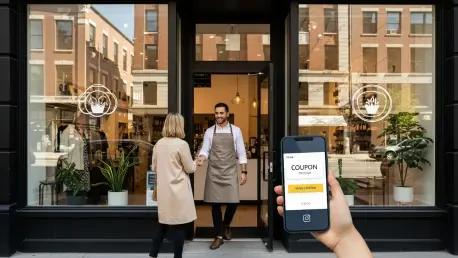
Provide coupons or early-access perks that cannot be redeemed online, making a physical visit the only way to claim the value. Whether it is a “secret” code that must be mentioned at the register or a physical coupon that needs to be scanned, these incentives create a direct path to your shop. This strategy not only increases foot traffic but also allows you to track the direct impact of your email campaigns by counting how many people redeemed the offer in person.
Use Action-Oriented Language and Clear Deadlines
Deploy “Call to Action” buttons like “Visit us today” or “Claim your in-store deal” to reduce friction and encourage immediate decision-making. When people see a firm deadline—such as an offer that expires at 6:00 PM on Sunday—they are much more likely to make a plan to stop by. By framing the visit as a fleeting opportunity, you tap into the fear of missing out, which is a powerful psychological trigger for driving quick action in a local setting.
4. Optimize the Mobile Experience for On-the-Go Shoppers
Local customers often check their emails while they are out and about, meaning your content must be accessible and easy to read on small screens during a commute or a walk. If an email takes too long to load or requires too much scrolling, a customer who is already nearby might lose interest and walk right past your storefront. Speed and simplicity are the keys to capturing the attention of a mobile audience.
Design for Quick Consumption and Tappable Buttons
Use short copy and fast-loading images to ensure your message is delivered clearly even on a mobile data connection. Your main offer and your physical address should be visible without the need for extensive scrolling, allowing someone to glance at their phone and know exactly where to go. Tappable buttons should be large enough to hit with a thumb, and your address should ideally be linked to a map app to provide instant navigation directions.
Maintain Brand Consistency Across All Channels
Ensure the visual identity in your email matches your physical signage and website to build the trust necessary for an in-person visit. When a customer walks into your store, the atmosphere should feel like a physical extension of the email they just read. This consistency reinforces your brand’s credibility and makes the transition from the digital world to the physical world feel seamless, which is essential for turning a one-time visitor into a long-term local patron.
Summary of Strategic Best Practices
- Segment by Geography: Focus on ZIP codes and neighborhood proximity to ensure high relevance for every recipient.
- Localize Content: Use local landmarks and community-specific news to build a sense of belonging and familiarity.
- Drive Urgency: Implement “in-store only” offers with firm deadlines to encourage immediate visits and track redemptions.
- Integrate Systems: Sync online data with POS systems to gain a holistic view of how your customers shop across all channels.
- Balance Content: Follow the 60/40 rule—60% value and community news and 40% direct sales promotions to maintain interest.
Applying Local Strategies to the Future of Retail
As commerce becomes increasingly omnichannel, the ability to execute a “local send” will distinguish thriving retailers from those lost in the digital noise. Looking toward the coming years, the integration of real-time location data and predictive analytics will likely make local email marketing even more personalized and effective. Challenges such as data privacy regulations will require businesses to be more transparent about how they collect geographic info, but the fundamental need for community-based shopping experiences remains a constant.
The evolution of these tools means that retailers can now predict when a customer is most likely to be in the area and deliver a message exactly when it is most useful. This precision reduces advertising waste and respects the customer’s time, creating a more symbiotic relationship between the shop and the neighborhood. As technology advances, the focus will shift even more toward creating hyper-local experiences that cannot be replicated by an algorithm or a shipping container.
Transforming Digital Subscribers into Loyal Local Patrons
Local email marketing functioned as a bridge that successfully connected virtual interest with physical action. By implementing sophisticated segmentation and crafting localized subject lines, businesses established a clear presence within their neighborhoods. The use of exclusive in-store incentives provided the necessary push for customers to move from their screens to the storefront, while mobile optimization ensured that these messages were effective even when recipients were on the move.
Moving forward, businesses should consider how they can further integrate community-led initiatives into their digital strategies to deepen these local ties. Exploring partnerships with nearby businesses for joint email campaigns or hosting neighborhood workshops can turn a retail space into a true community hub. By constantly refining these strategies based on real-world foot traffic data, retailers ensured that every digital invitation served as a stepping stone toward a more vibrant and loyal local customer base.