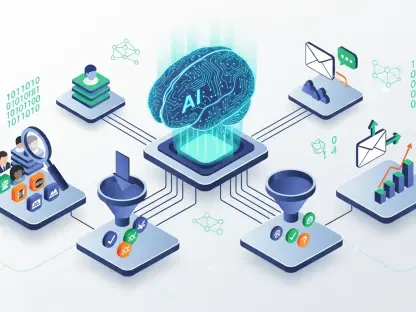

The digital economy has officially entered a new epoch where artificial intelligence serves as the primary engine for consumer discovery and brand expansion, defying earlier predictions of the search engine’s demise. As artificial intelligence moves from an experimental curiosity to the core of consumer technology, Google has emerged as a leader in redefining how users discover information and how brands reach their audiences. This transformation explores the strategic integration of AI within the Alphabet ecosystem, moving beyond traditional keyword matching to a sophisticated framework driven by user intent. By analyzing recent financial milestones and technological shifts, it becomes clear that the company is not just surviving the AI revolution but using it to fuel unprecedented growth and merchant success.
From Keywords to Context: The Historical Shift in Search
For over two decades, the backbone of the internet economy was the “keyword.” Advertisers bid on specific terms, and the system delivered results based on those direct matches. However, as digital literacy increased and mobile technology matured, the limitations of this model became apparent; it struggled with the nuance of human language and the “long tail” of unique queries. Historical industry shifts, such as the move to mobile-first indexing and the introduction of machine learning via foundational systems, set the stage for the current era. These developments proved that search engines needed to understand the “why” behind a query, not just the “what,” providing the necessary context for the current leap into generative intelligence.
The Strategic Integration of Generative Intelligence
Redefining User Engagement Through AI-Driven Intent
The integration of the Gemini language model into the search interface has fundamentally altered user behavior, leading to a shift from short phrases to conversational inquiries. Within the new “AI Mode,” search queries are now two to three times longer than traditional searches, providing a wealth of context that was previously unavailable. This depth allows the system to address the 15% of daily searches that are entirely unique and have no historical data. By utilizing sophisticated tools like Performance Max, the system can scan a retailer’s entire digital presence to match products to these complex queries in real time. This technical evolution has already yielded significant real-world results, with brands like the fashion retailer Aritzia reporting sales increases of up to 80% after adopting these intent-driven campaign formats.
Balancing Brand Identity with Automated Personalization
As AI takes a more active role in generating answers, concerns regarding brand safety and representation have moved to the forefront of the industry dialogue. To combat the risk of AI misrepresenting a company’s values, the “Business Agent” feature was introduced, currently utilized by major players such as Reebok and Poshmark. This tool gives brands the ability to train AI models on their specific voice and product details, ensuring that the information provided to consumers is both accurate and on-brand. Furthermore, the testing of Direct Offers allows companies like L’Oréal and Chewy to insert personalized promotions into AI conversations at the moment of highest purchase intent, successfully bridging the gap between general awareness and immediate conversion.
Frictionless Commerce: The Universal Protocol
The final piece of this AI strategy involves removing the barriers between discovery and transaction. Through a Universal Commerce Protocol developed in collaboration with Shopify, the platform is enabling direct commerce within the AI search interface. This transition from a matchmaker that sends traffic to other sites to a platform that facilitates the entire journey represents a significant shift in the digital ecosystem. By focusing on relevance and reducing the number of clicks required to make a purchase, the system increases the efficiency of advertising spend. This approach addresses the common misconception that AI would diminish the value of search; instead, it has turned the search bar into a direct, context-aware point of sale.
The Future Landscape of AI-Driven Advertising
As the market moves toward a more integrated future, several emerging trends suggest that the connection between AI and commerce will only deepen. The industry is likely to see a shift where autonomous shopping becomes more common, with AI agents negotiating prices or finding the best products on behalf of the consumer. We can also expect regulatory changes as governments look to ensure transparency in AI-generated recommendations. While competitors like Amazon and OpenAI are still refining their monetization strategies, the vast data infrastructure of Google gives it a significant head start. Experts predict that the next phase of evolution will involve even deeper personalization, where the search engine anticipates needs before the user even types a query.
Strategic Takeaways for the Modern Market
The analysis of the current trajectory offers several actionable insights for businesses and professionals navigating this new reality. To succeed in an AI-first environment, brands must prioritize the quality of their digital assets and website content, as these now serve as the training data for ad-matching algorithms. It is no longer enough to optimize for specific keywords; companies must focus on intent optimization by providing comprehensive information that addresses complex consumer problems. Additionally, leveraging tools like Business Agents will be critical for maintaining control over brand narrative in an automated world. Adapting to these conversational and automated formats is no longer optional but a requirement for those looking to maintain a competitive edge.
The Enduring Power of Intent
The successful pivot to an AI-driven model demonstrated that the core value of search remained more relevant than ever before. Alphabet managed to drive record revenue while enhancing the user experience by leveraging generative intelligence to understand the nuances of human intent. This evolution from a simple index to a sophisticated conversational assistant marked a paradigm shift that redefined the digital economy. Organizations that prioritized the integration of these tools successfully prepared for a landscape where the boundaries between searching and buying disappeared. Strategic investments in high-quality data and automated personalization provided the foundation for long-term growth in an increasingly complex and competitive marketplace.