
The modern car buyer no longer wants to sift through lines of plain text when searching for their next vehicle; they expect a digital showroom experience right on the search engine results page. Google is addressing this expectation by transforming standard Search ads from static blocks of text into vibrant, image-heavy showcases. This integration represents a major evolution in automotive digital marketing, ensuring that the first point of contact between a shopper and a dealership is a visual representation of the exact car they desire, accompanied by real-time details that drive decision-making.
The New Visual Frontier in Automotive Search
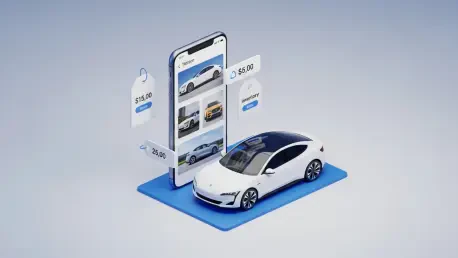
Visual storytelling has become the primary language of the digital consumer, yet automotive search advertising has historically remained anchored in text. This update changes the narrative by allowing dealerships to present their inventory as dynamic assets rather than simple headlines. By integrating vehicle feeds directly into the standard search framework, Google is effectively turning the results page into a virtual lot where shoppers can compare models at a glance.
This transition toward a more visual interface reflects a broader trend in user behavior where convenience and transparency are paramount. Shoppers are no longer satisfied with generic “click here for more” prompts; they want to see the specific SUV or sedan they searched for immediately. Consequently, the traditional search ad is no longer just an entry point to a website but a comprehensive informational tool that includes pricing, location, and high-resolution imagery.
Bridging the Gap Between Intent and Inventory
In previous marketing cycles, showcasing specific vehicle inventory often required running separate, specialized campaign types that operated in isolation from core search strategies. This fragmentation created a disconnect between a shopper’s high-intent query and the actual cars sitting on the dealer’s lot. The new integration addresses this challenge by marrying search intent with granular data stored in the Google Merchant Center, allowing for a more cohesive and efficient advertising strategy.
By streamlining the connection between live inventory and search queries, dealerships can move away from broad branding and focus on moving specific VINs. This approach ensures that when a user searches for a particular make and model, the ad they see is directly linked to an available car. This alignment of supply and demand significantly reduces the friction often found in the early stages of the automotive purchase journey.
Mechanics of the AI-Driven Vehicle Feed Integration
The engine behind this update is the synergy between the Google Merchant Center and advanced machine learning algorithms. Advertisers sync their live inventory—including year, make, model, and price—directly into their existing Search campaigns. Google’s AI then analyzes user behavior and search context in real time to determine which specific vehicle from the feed provides the most relevant match for the query.
These enhanced ads feature clickable elements that act as shortcuts to conversion. Instead of landing on a generic homepage, users who click on a specific vehicle asset are directed straight to the vehicle detail page. This shortened funnel bypasses unnecessary navigation, allowing the shopper to engage with the specific car they identified in the search results, thereby increasing the likelihood of a lead or a store visit.
Why Industry Experts View This as a Strategic Milestone
Marketing specialists view this integration as a way to level the playing field for dealerships of all sizes by automating the most labor-intensive parts of campaign management. By providing essential data points like price and trim level upfront, these ads act as a pre-qualification filter for potential buyers. Users who interact with these visual ads are typically further along in the buying process because they have already seen and accepted the basic terms of the vehicle before the advertiser pays for the click.
Moreover, this product-led approach provides a more transparent experience that builds trust between the consumer and the brand. Early feedback from the industry suggests that the inclusion of real-time inventory data leads to higher engagement rates and better lead quality. Dealerships are finding that they can achieve higher conversion rates by presenting the right car to the right person at the moment of peak interest, rather than relying on traditional text-only messaging.
Implementing and Optimizing Vehicle Feeds in Your Strategy
To maximize the impact of this update, advertisers focused on data hygiene and high-quality creative assets. Maintaining an accurate and frequently updated Merchant Center feed was essential to prevent displaying vehicles that were already sold. High-resolution imagery became a critical differentiator, as the visual quality of the ad directly influenced the user’s perception of the dealership and the vehicle.
Marketers also utilized the “Click type” reporting segment to differentiate between interactions with the new vehicle assets and traditional text headlines. This data allowed for a more granular understanding of how shoppers engaged with different parts of the ad, leading to more informed budget adjustments. By aligning fast-loading, mobile-optimized landing pages with the visual content of the ads, businesses ensured a seamless transition that turned digital interest into tangible sales results.