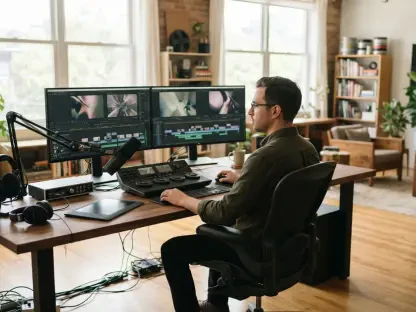

A focused composition relies on balanced lighting and a clear visual hierarchy to highlight key features before the viewer loses interest. In the high-velocity digital environment of 2026, the initial moments of a marketing video determine whether a viewer stays or scrolls past, making the strategic hook an essential component of any successful campaign. A well-crafted opening serves as more than just an attention-grabber; it introduces the item, establishes an immediate context, and sparks a genuine curiosity that sustains engagement through the remainder of the content. These first impressions are often strengthened by professional techniques such as product reveals, intentional camera movement, and balanced visual arrangements that guide the eye toward the most important elements. Beyond simple visual flair, an effective opening must bridge the gap between creative presentation and specific business objectives to ensure that the viewer understands the value proposition immediately. Tools like Dreamina’s Marketing Studio provide creators with advanced AI-driven systems to generate this promotional content using precise product references and nuanced instructions. By utilizing these features, marketers can transform abstract advertising concepts into professional visual presentations that significantly increase view counts and conversion rates.
The emergence of automated creative studios has democratized the ability to produce high-end cinematography for digital advertisements, allowing for a more experimental approach to visual storytelling. This shift has led to a standard where every frame must justify its existence by contributing to the overall narrative or the brand’s aesthetic identity. When creators leverage these AI capabilities, they are not just automating a process but are enhancing the creative potential of their campaigns by testing multiple hook variations in a fraction of the time it previously took. The integration of product references ensures that the virtual environment accurately reflects the physical characteristics of the goods being sold, which is vital for maintaining consumer trust in an age of rapid content production. Consequently, the role of the modern creator has transitioned from manual execution to high-level direction, where the ability to articulate a vision through detailed prompts and technical parameters determines the success of the final output. This evolution in marketing technology ensures that even small-scale operations can compete with larger agencies by producing visually stunning and strategically sound video hooks that capture the essence of their brand.
1. Core Traits of a Captivating Video Start
A successful opening clearly communicates the subject matter within seconds, ensuring that the viewer is never left wondering about the purpose of the advertisement. In 2026, where consumer attention is a fragmented and valuable commodity, the featured product or scenario must be immediately recognizable to prevent the audience from moving on to the next piece of content. Interest is often piqued through visual contrast, unique compositions, and carefully timed reveals that highlight the product’s best attributes without overshadowing its core benefits. These elements work together to draw focus to the primary selling point while establishing a professional tone that reflects the brand’s quality. While a hook must grab attention, it must remain honest and grounded in the actual utility of the product, as misleading visuals can quickly alienate an audience and damage long-term brand reputation. The best starts define the target audience and the primary value proposition right away, creating a sense of relevance that encourages the viewer to invest their time in the rest of the presentation.
Psychological triggers such as curiosity and problem-awareness play a massive role in how these initial seconds are structured to maximize retention. By presenting a visual challenge or a highly aesthetic arrangement, a marketer can create a “gap” in the viewer’s knowledge that can only be filled by watching the remainder of the video. This strategy relies on a deep understanding of the consumer’s needs and the visual language that resonates with them most effectively. Moreover, the use of color theory and dynamic lighting can evoke specific emotional responses that align with the brand’s messaging, whether that be a sense of luxury, urgency, or reliability. Professional tools now allow for the fine-tuning of these parameters, ensuring that the visual hierarchy is maintained even in complex scenes. When the composition is balanced and the focus is clear, the viewer can process the information effortlessly, leading to a more positive perception of the product. Ultimately, the goal is to create a seamless entry point that feels both natural and compelling, setting the stage for a deeper exploration of the brand’s offerings.
2. Innovative Hook Styles for Modern Products
Different products require unique introductory approaches to resonate with their specific target demographics, and 2026 technology provides a variety of styles to achieve this. A Product Reveal Hook is highly effective for building brand recognition by featuring close-ups or unique angles that slowly unmask the item, displaying familiar shapes or textures that build immediate intrigue. Alternatively, the Problem-Solution Hook begins with a relatable challenge that the product directly addresses, presenting the item as the immediate visual answer to establish relevance and highlight utility from the very first frame. Motion-Driven Hooks utilize controlled camera movements and dynamic perspectives to create energy and excitement, directing the viewer’s focus without becoming a distraction or feeling chaotic. For premium goods where quality is a major selling point, the Texture and Detail Hook focuses on materials, finishes, or craftsmanship through extreme close-ups, allowing the viewer to appreciate the tangible value of the product before it is even used.
Beyond these technical approaches, human-centric and environment-focused hooks offer a more narrative way to connect with an audience. A Presenter-Led Hook uses an AI avatar to introduce the product with a brief greeting or a subtle gesture, creating a conversational tone that feels personal and approachable in a digital space. This digital spokesperson acts as a guide, providing a face for the brand and helping to build a sense of community around the product. Meanwhile, the Lifestyle Hook situates the product in a familiar, aspirational environment, using storytelling through real-world context to help viewers visualize the product in their own daily lives. By placing an item in a beautiful kitchen or a high-tech office, marketers can imply a standard of living that the consumer desires, making the product a gateway to that lifestyle. Each of these styles can be explored and refined using Dreamina’s Marketing Studio, which assists in experimenting with different creative directions to find the most effective match for a specific campaign goal.
3. Strategic Alignment of Hooks and Brand Identity
The introduction of any marketing video must serve as a seamless lead-in to the rest of the advertisement, ensuring that the initial excitement translates into a coherent understanding of the product. If a hook highlights a specific feature or creates a particular mood, the subsequent scenes should demonstrate its use and expand upon the initial promise without a jarring transition. Consistency in lighting, color palettes, and camera angles is essential for making the video feel like a single, cohesive narrative rather than a collection of disjointed clips. When the visual style remains uniform, the audience can focus on the message rather than being distracted by shifts in quality or tone. This continuity builds a sense of professionalism and reliability, suggesting that the brand is attentive to detail and committed to delivering a high-quality experience. Using advanced AI marketing tools, creators can maintain this uniformity by applying the same product references across various sequences, preventing confusion and keeping the focus squarely on the promotion.
Furthermore, aligning the hook with the broader brand message ensures that the creative presentation supports the business objectives rather than detracting from them. A visually stunning hook that has nothing to do with the actual product might generate views, but those views are unlikely to convert into sales if the viewer feels misled or confused. Therefore, every creative choice—from the choice of music to the speed of a camera zoom—should be evaluated based on how well it communicates the brand’s core values and the product’s primary benefits. This strategic alignment also extends to the technical aspects of the video, such as the placement of logos or the inclusion of call-to-action text, which should feel like a natural part of the visual composition. By integrating these elements thoughtfully, marketers can create a powerful synergy between creativity and commerce, leading to more impactful and memorable advertising campaigns. The goal is to create a visual journey where the hook is the doorway, and the rest of the video is the house, with every part feeling like it belongs to the same architectural vision.
4. Step-by-Step Implementation via AI Marketing Studio
To begin crafting an effective video hook, the process starts with the preparation of digital assets and the selection of the right creative environment. First, creators should log in to the platform and navigate to the Marketing Studio section, where they must decide whether the project requires an AI-generated video, a static image, or a combination of both via the AI agent option. Once the workspace is established, the next step involves selecting an aesthetic style that aligns with the brand identity and uploading high-quality product imagery to serve as a reference. If a more personal touch is desired, an AI avatar can be selected from a diverse library to serve as the digital presenter for the opening sequence. This initial phase is critical because it sets the technical and visual foundation for the entire generation process, ensuring that the AI has the necessary data to produce a result that matches the intended vision. By carefully choosing these initial parameters, marketers can ensure that the final output is both visually impressive and strategically relevant.
After the assets are in place, the focus shifts to providing the AI with detailed instructions and fine-tuning the technical parameters for the best possible results. This involves drafting a specific prompt that outlines the first three seconds of the video, including details such as a surprising action or a bold visual statement to ensure the AI understands the creative goal. The reference tab can be used to provide a video example of the desired motion, while the technical settings allow for the selection of specific AI models and the adjustment of aspect ratios, resolution, and duration to fit various social media standards. Utilizing the “@” feature allows the creator to tag the specific product, ensuring the AI prioritizes it within the generated hook before initiating the final generation process. Once the video is created, it should be reviewed in full screen to check the framing and pacing; if refinements are needed, the prompt can be modified or the canvas editor can be used to swap backgrounds and add special effects. Finally, once the hook meets the necessary standards, the file is ready for download and distribution across the chosen marketing platforms.
5. Optimization for Platform Diversity and Prompt Precision
The quality of the AI output is directly proportional to the detail and clarity of the prompts provided by the creator, making prompt engineering a vital skill in 2026. Detailed instructions are the key to high-quality results, and creators should start by describing the primary action in the scene, such as a product rotating slowly or a box being opened to reveal its contents. Specifying camera angles—such as wide shots for context or tight close-ups for detail—and describing the lighting conditions helps to set the right mood and ensures that the AI captures the desired atmosphere. Mentioning specific product placement is also essential to ensure that the item remains the focal point throughout any movement, preventing it from being lost in the background. By combining these written instructions with visual references, such as existing images or videos of the product, creators provide the AI with a clear roadmap for the opening sequence, resulting in a more polished and professional final product that requires fewer revisions.
In addition to prompt precision, adapting these video hooks for different publishing formats is necessary to ensure maximum impact across a diverse range of marketing channels. Different platforms require different visual configurations, with vertical formats being essential for mobile-first social media where the subject must be recognized instantly in a fast-scrolling environment. Conversely, landscape formats are often better suited for website banners and traditional video advertisements where a wider field of view is available. For product listings on e-commerce sites, clear angles and early visibility are vital for driving conversions, as shoppers often make split-second decisions based on the first few frames they see. Modern marketing tools allow creators to resize videos easily while maintaining the core visual elements, ensuring that the hook remains effective regardless of where the audience encounters it. This flexibility allows for a more comprehensive and cohesive campaign strategy, where the same core message can be delivered effectively across multiple platforms without losing its visual appeal or strategic focus.
6. Next Steps for Creative Success
The evolution of video production has demonstrated that the most successful campaigns were those that prioritized a strong, immediate connection with the viewer. By mastering the art of the hook, marketers established a higher standard of engagement that moved beyond simple clicks and toward meaningful brand interactions. The strategic use of balanced lighting and visual hierarchy ensured that key features were always at the forefront of the consumer’s mind. As these AI tools became more integrated into the standard workflow, the ability to iterate on creative ideas reached unprecedented levels of efficiency. This period of growth highlighted that while technology provided the means, the human element of strategic direction remained the most important factor in achieving commercial success. Those who embraced these innovations were able to produce content that was not only visually stunning but also deeply resonant with their target audiences, setting a new benchmark for digital advertising excellence.
Looking back at the implementation of these strategies, it was clear that the integration of product references and precise prompting changed the landscape of visual storytelling. The flexibility to adapt content for various platforms ensured that marketing messages remained consistent and recognizable, regardless of the medium. Actionable results followed for those who took the time to refine their hooks and align them with their overall brand narrative, leading to improved retention rates and stronger customer loyalty. The process of testing and refining these AI-generated openings provided valuable insights into consumer behavior and aesthetic preferences that informed future campaigns. By treating the video hook as a critical gateway to the brand experience, creators successfully navigated the challenges of a crowded digital space. This approach ultimately transformed the way promotional videos were conceived and executed, proving that a well-designed opening was the foundation of every high-performing advertisement.