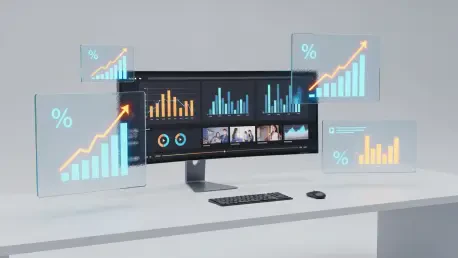

The digital marketing landscape has reached a critical juncture where the sheer volume of automated cross-channel data often masks the specific contribution of high-budget creative assets. For years, Performance Max has operated as a sophisticated engine that prioritizes efficiency over transparency, leaving advertisers to question whether their expensive video productions are truly driving growth or merely filling space. This lack of visibility has finally met its match with Google’s latest reporting enhancements, which aim to pierce the veil of the “black box” and provide a clearer picture of media impact.
Decoding the Performance Max: Black Box
For years, digital marketers have navigated the automated landscape of Performance Max with a mix of optimism and frustration. While the tool excels at scaling across Google’s vast inventory, it has historically functioned as a “black box,” leaving advertisers to wonder which specific assets—text, image, or video—are actually pulling the heavy lifting. The wait for granular data is finally easing as Google introduces a reporting segment that could change how we quantify the ROI of motion graphics.
This shift toward transparency represents a fundamental change in how performance is measured within the Google ecosystem. By offering more detailed breakdowns, the platform is moving away from a “trust the algorithm” mentality toward a more collaborative approach with human strategists. This development allows for a more nuanced understanding of how different elements interact within a single campaign to drive a final conversion.
Why Transparency in Video Placements Is Long Overdue
As YouTube, Shorts, and the Display Network become increasingly video-centric, the cost of high-quality production has become a significant line item in marketing budgets. Without the ability to isolate video performance from static placements, advertisers have struggled to justify these creative investments to stakeholders. This move toward transparency isn’t just a technical update; it is a response to a growing demand for data-driven clarity in an era where automated bidding often obscures the direct impact of individual creative formats.
The necessity for this clarity is further amplified by the competitive nature of modern digital auctions. When every dollar must be accounted for, the ambiguity of blended performance metrics becomes a liability rather than a convenience. Marketers require concrete evidence that the emotional resonance of video justifies its higher entry price compared to traditional static banners.
Breaking Down the: Ads Using Video Reporting Segment
The introduction of the “Ads using video” segment within the channel performance dashboard marks a shift from guesswork to precision. By isolating metrics for placements that specifically utilized video assets, the update allows for a side-by-side comparison with non-video inventory. This data enables marketers to identify whether the engagement seen on YouTube or the Google Display Network is genuinely superior to traditional image-based ads.
More importantly, it provides a clear view of how Google’s automation prioritizes different media types based on real-time performance signals. Understanding these priorities helps advertisers see the “why” behind the “what,” revealing if the algorithm favors video because of its engagement rates or simply because of inventory availability. This level of insight was previously unavailable, forcing many to rely on anecdotal evidence.
Industry Perspectives on Creative Validation
Leading voices in the PPC community suggest that this update is a pivotal step toward sophisticated performance analysis. Experts argue that the true value of this reporting lies in its ability to act as a validation tool for creative strategy. Rather than relying on a “set it and forget it” approach, marketers can now use these findings to pivot their budgets toward the formats that yield the highest return.
This synthesis of automation and human analysis ensures that creative production is informed by hard data rather than aesthetic preference. When creative teams and media buyers share the same set of performance truths, the entire marketing operation becomes more streamlined. It eliminates the friction between the art of storytelling and the science of conversion, fostering a more unified brand strategy.
How to Audit Your Video ROI: Using New PMax Insights
To leverage these new insights effectively, advertisers should follow a structured approach to campaign analysis. Start by accessing the channel performance reporting dashboard and applying the new video segment filter to historical campaign data. Compare the conversion rates and cost-per-acquisition (CPA) between video-heavy placements and standard image placements to determine the actual delta in performance.
Use these findings to refine the creative mix for the coming quarters. If video assets consistently outperformed static ones, it signaled a clear need for increased investment in high-velocity formats like YouTube Shorts. Conversely, if the data showed diminishing returns, it was time to reallocate production resources toward more effective, low-cost static imagery. This proactive auditing ensured that every creative decision was backed by a tangible performance metric, paving the way for more sustainable long-term growth.