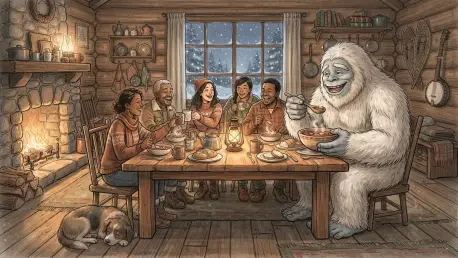

To ensure the yeti’s interactions with his environment felt authentic, the production team engineered separate versions of furniture that reacted realistically to the character’s massive weight. This meticulous attention to detail defines the Levi’s holiday campaign, “Let’s Get Fuzzy,” which marks a sophisticated shift in how heritage brands approach seasonal storytelling in 2026. By moving away from traditional, glossy fashion montages, the company has embraced a “horror-comedy” narrative that uses tactile stop-motion animation to bridge the gap between its denim roots and its expanding cold-weather apparel line. This strategic pivot prioritizes a high-craft, cinematic experience that aims to change consumer perception through emotional resonance and meticulous artistry. At the center of this narrative is Gus, a towering yeti introduced through the classic tropes of a monster movie, complete with a remote cabin and a group of frightened friends. The tension is cleverly subverted when the “creature” is welcomed into the group with the gift of a red sweater, transforming a moment of suspense into a celebration.
The Intersection of Texture and Narrative
In an increasingly digital advertising landscape dominated by seamless CGI, the choice of stop-motion animation serves as a deliberate nod to the “slow marketing” movement. This approach values the human touch and the imperfections that come with manual craftsmanship, creating a visual language that feels inherently authentic and grounded. The production of the film required an extraordinary level of patience, with each second of footage taking approximately four hours to film. This slow-burning process stands in stark contrast to the rapid-fire, algorithmically-driven content that often fills social media feeds today. By investing in a medium that requires such intense labor, the brand signals a commitment to quality that transcends the seasonal cycle. The resulting aesthetic is one that captures the viewer’s attention through its distinct rhythm and texture, offering a refreshing departure from the hyper-polished digital standards that have become the industry norm for large-scale retail campaigns during the winter months.
Emphasizing Physicality Through Stop-Motion
The “restless” quality of the fabric, created by moving the materials frame-by-frame, makes the wool and fleece textures appear unusually touchable and real to the viewer. This subtle vibration of the fibers provides a sensory experience that digital rendering often struggles to replicate, acting as a powerful non-verbal product demonstration. As the camera lingers on the knit patterns of the sweaters and the soft pile of the fleeces, the audience can almost sense the physical weight and warmth of the garments. This technique allows the brand to highlight the technical merits of its holiday collection without relying on heavy-handed sales copy or intrusive graphics. Instead, the materiality of the clothes becomes a character in its own right, inviting the consumer to imagine the tactile sensation of wearing the pieces. By focusing on these micro-interactions between the character and his clothing, the campaign successfully elevates the perceived value of the apparel, framing it as a collection of high-quality, artisanal objects rather than mere commodities.
Thematic Focus on Inclusion and Belonging
The narrative structure of the campaign draws heavily from the creature-feature genre, utilizing suspense to build an emotional payoff that is both surprising and heartwarming. When Gus first appears, the flickering lights and rattling windows evoke a sense of dread familiar to fans of classic horror films. However, the pivot from fear to friendship occurs at the exact moment a red sweater is introduced into the scene. This transformation effectively positions the brand’s knitwear as more than just a seasonal accessory; it serves as a vital plot device that resolves conflict and fosters social connection. By subverting the “monster” trope, the story emphasizes that warmth is not just a physical property of wool, but a social catalyst that can bridge the divide between the strange and the familiar. This narrative choice ensures that the product remains central to the viewer’s emotional journey, making the brand synonymous with the feelings of safety and belonging that define the holiday season for many people.
Subverting Horror Tropes for Emotional Payoff
Beyond the technical execution, the campaign taps into the universal holiday theme of the “outsider” finding a home and a community where they are finally accepted. By casting a mythical monster as the protagonist, the creative team explores the deeply human desire for belonging and the anxieties associated with being different. This thematic depth makes the brand feel more accessible and relatable to a diverse modern audience, moving beyond the aspirational but often hollow imagery of traditional fashion marketing. The emotional resolution of the film—achieved through the simple act of sharing clothing—reinforces the idea that these items are tools for building social bonds and expressing care. It suggests that the brand understands the complexities of human interaction, positioning its products as essential components of a life well-lived. This focus on inclusivity resonates with contemporary consumer values, where brand loyalty is increasingly driven by shared ethical and social perspectives rather than just product aesthetics or price points.
Technical Mastery and Strategic Positioning
The production of “Let’s Get Fuzzy” was a massive undertaking that underscored the brand’s dedication to authentic craftsmanship, requiring over 2,000 build hours from a dedicated team of artists. This involved the creation of three highly detailed miniature cabins and 400 individually handmade trees, each designed to create a rich, immersive world for the characters to inhabit. The scale of the project allowed for a level of detail that would be difficult to achieve in a purely digital environment, with every prop and set piece reflecting a lived-in, organic quality. This commitment to physical set building mirrors the tangible nature of the clothing itself, creating a cohesive brand message that celebrates the “made by hand” philosophy. By focusing on miniature engineering, the production team was able to manipulate light and shadow in ways that feel natural and grounded, further enhancing the film’s cinematic appeal. This labor-intensive process serves as a metaphor for the quality and durability the brand aims to project in its physical apparel products.
The Labor-Intensive Craft of Miniature Engineering
To achieve the specific scene where Gus crashes through a wall, the set team constructed a cabin wall divided into 26 rigged sections, allowing the destruction to happen “in-camera” rather than through post-production effects. This reliance on practical effects adds a layer of weight and consequence to the movements of the characters, making the yeti’s physical presence feel undeniable. Every frame represents a conscious decision made by an animator, with the resulting footage carrying the distinct fingerprints of human creativity. This level of dedication signals a premium value to the consumer, suggesting that if the brand is willing to spend years perfecting a few minutes of film, they likely apply the same rigor to the design and manufacturing of their garments. In an age where digital content is often seen as disposable, this high-craft approach stands out as a significant investment in long-term brand equity. It transforms a simple advertisement into a piece of art that viewers are more likely to seek out and share within their own social networks.
Expanding the Brand Beyond Denim Silhouettes
From a strategic business perspective, the campaign serves as a primary vehicle for category expansion, highlighting non-denim items such as the Charlotte Crewneck Cardigan, the Ava Quarter-Zip, and the Presidio Crew. While the brand remains synonymous with its iconic denim silhouettes, this initiative successfully positions it as a comprehensive lifestyle provider capable of outfitting consumers for the entire winter season. By making these knitwear and fleece pieces central to the story’s resolution, the marketing team ensures they are perceived as essential components of a modern wardrobe. This shift is crucial for maintaining growth in a competitive market where consumer preferences are constantly evolving toward versatile, layered apparel. The campaign effectively demonstrates how a heritage brand can leverage its existing reputation for durability and style to conquer new product categories. By associating these newer items with the same level of narrative care as their traditional jeans, the company builds consumer trust across its entire expanded product portfolio.
Connecting Contemporary Innovation to Historical Legacy
This strategic approach also honors the brand’s extensive advertising history, specifically referencing the iconic 1995 “Clayman” commercial to provide a sense of continuity and creative legacy. By returning to the medium of stop-motion, the brand creates a stylistic bridge between its past successes and its current innovations, reminding long-time fans of its long-standing commitment to artistic storytelling. This historical callback is not merely nostalgic; it reinforces the idea that while styles and characters may change, the brand’s core values of quality and creativity remain constant. It provides a narrative anchor that helps the new campaign feel established rather than experimental. Furthermore, this focus on heritage allows the company to tap into a sense of timelessness, suggesting that their products are designed to last across generations. In 2026, where brand longevity is often challenged by fast-fashion trends, this emphasis on a storied past coupled with modern execution provides a powerful competitive advantage that resonates with both older and younger demographics.
Marketing Lessons from the “Fuzzy” Aesthetic
One of the most effective aspects of the campaign is its use of the horror-comedy genre to capture attention in a saturated holiday media environment where standard “warm and fuzzy” imagery often fails to make an impact. By leaning into the tropes of suspense and the supernatural, the brand creates a hook that is fundamentally different from the predictable, family-oriented montages typical of the season. This genre-bending approach ensures that the viewer remains curious and engaged from the very first frame, wondering how the tension will eventually be resolved. It demonstrates a sophisticated understanding of modern audience psychology, where unexpected narratives are far more likely to break through the clutter of seasonal noise. This strategy also allows the brand to appeal to a wider range of emotions, moving from apprehension to joy in a way that feels earned rather than forced. The contrast between the dark, snowy exterior and the warm, sweater-filled interior of the cabin serves as a visual metaphor for the protection and comfort that the brand provides to its customers.
Utilizing Genre to Stand Out in a Crowded Market
The initial suspense of the yeti’s arrival ensures viewers remain emotionally invested until the final brand reveal, creating a memorable experience that lingers long after the commercial ends. This method of storytelling prioritizes narrative tension over immediate product visibility, a gamble that pays off by creating a more profound connection with the audience. When the product finally appears, it is not seen as an intrusion but as a welcome relief and the key to the story’s happy ending. This approach demonstrates how narrative-driven marketing can make a brand more memorable during the most competitive shopping window of the year. It moves the conversation away from price-based competition and toward a value-based relationship built on shared stories and experiences. By treating the audience with intelligence and offering a cinematic short film rather than a traditional sales pitch, the brand fosters a sense of gratitude and respect from the consumer. This high-engagement strategy is increasingly necessary as traditional advertising methods lose their effectiveness in 2026.
Translating Digital Content into Physical Retail
The campaign’s success is further bolstered by its omnichannel consistency, ensuring the “fuzzy” visual identity extends seamlessly into the physical retail space through tactile in-store displays and events. Levi’s Tailor Shops play a critical role in this integration, offering personalization options such as custom embroidery and “fuzzy” patches that mirror the aesthetic of the film. This allows the creative concept of the advertisement to become a tangible reality for shoppers, bridging the gap between digital content and physical product. By providing these interactive experiences, the brand transforms the act of shopping into an extension of the story, encouraging consumers to visit brick-and-mortar locations. This physical touchpoint is vital for reinforcing the brand’s message of craftsmanship and quality, as customers can feel the materials for themselves while customizing their own garments. The coherence across all channels—from the high-concept stop-motion film to the details of the retail environment—creates a unified brand world that is immersive.
Future Perspectives on Authentic Brand Engagement
Ultimately, the shift toward visibly handmade content represented a significant move for brands seeking to signal authenticity in a landscape increasingly saturated by artificial intelligence. Retailers who successfully integrated high-concept storytelling with tangible, artisan-led production methods found themselves better positioned to capture the loyalty of discerning consumers. This campaign demonstrated that the most effective way to communicate product value was through a combination of emotional resonance and physical proof of craft. Moving forward, marketing departments should prioritize narratives where the product acts as a genuine solution to a human or mythical need, rather than an added decoration. The success of this initiative suggested that consumers were hungry for advertisements that felt like creative contributions to culture rather than mere commercial interruptions. By investing in slow, deliberate production techniques, the brand established a new benchmark for how heritage companies could stay relevant while honoring their past.