
The transition from manual frame-by-frame editing to high-fidelity automated orchestration represents a fundamental shift in how digital narratives are constructed and consumed by global audiences today. For decades, the barrier to high-quality video production remained its prohibitive cost and the specialized technical knowledge required to navigate complex editing suites. However, the emergence of automated video ecosystems has dismantled these barriers, replacing traditional linear workflows with dynamic synthesis models. This technological evolution allows for the rapid creation of visual content that scales with the speed of digital commerce and social discourse.
The relevance of this shift cannot be overstated in a landscape where video has become the dominant currency of communication. Modern platforms now offer a centralized hub for every stage of production, from initial ideation to the final render. By integrating various machine learning models into a cohesive environment, these systems provide a level of efficiency that was previously impossible for small teams or individual creators. This change signifies more than just a new toolset; it represents a complete reimagining of the creative process, prioritizing the message over the mechanical limitations of the medium.
Understanding the Shift to Automated Video Ecosystems
The modern automated video ecosystem operates on the principle of generative synthesis, where algorithms interpret structured data to produce cohesive visual narratives. This technology emerged from the convergence of deep learning and computer vision, evolving from simple pattern recognition to the complex task of temporal consistency. Unlike earlier software that merely assisted human editors, current systems function as proactive partners, capable of understanding narrative pacing, lighting dynamics, and character continuity. This context is vital because it explains why businesses are moving away from traditional agencies toward scalable internal AI solutions.
In the broader technological landscape, this shift aligns with the trend of decentralizing high-end production capabilities. By automating the most labor-intensive aspects of video creation—such as rotoscoping, color grading, and audio syncing—the technology allows for a high-volume output without a proportional increase in resource expenditure. The result is a landscape where the quality of the final product is determined by the clarity of the creative vision rather than the size of the production budget.
Core Pillars of Modern AI Video Synthesis
Text-to-Video and Script Processing
The ability to synthesize video directly from text prompts serves as the foundational architecture of contemporary AI platforms. This process involves sophisticated natural language processing that translates descriptive scripts into visual storyboards and, ultimately, moving images. The system does not simply search a library of stock clips; it generates unique frames that adhere to the specific stylistic parameters defined by the user. This performance milestone is significant because it eliminates the disconnect between a written concept and its visual execution, ensuring that the intended atmosphere is maintained throughout the runtime.
Furthermore, the intelligence behind script processing has reached a stage where it can identify emotional cues and adjust the visual output accordingly. For instance, a script conveying urgency will prompt the AI to utilize faster cuts and more dynamic camera movements. This level of responsiveness makes the technology indispensable for creating content that resonates on a deeper psychological level with viewers. The significance lies in the reduction of iterative feedback loops, as the AI delivers a high-fidelity first draft that requires minimal human intervention.
Visual Consistency and Automated Composition
Maintaining visual consistency has historically been the greatest challenge in generative video, often manifesting as distracting flickers or shifting character details. Modern systems have addressed this through advanced temporal coherence algorithms that track objects and lighting across every frame. This ensures that a character’s appearance or a room’s layout remains stable, regardless of the camera angle or movement. This technical achievement is what allows AI-generated content to move past short social clips and into the realm of professional-grade documentary and narrative filmmaking.
Automated composition functions as a virtual director, handling the technicalities of framing and transitions with an eye for cinematic balance. The AI evaluates each scene to ensure it follows standard visual principles, such as the rule of thirds or leading lines, while also managing the logical flow between shots. This capability is particularly useful for creators who may lack formal training in cinematography but require a polished, professional look. By automating these nuanced tasks, the platform allows the user to focus on the high-level narrative structure.
Realistic Digital Avatars and Motion Synthesis
The development of lifelike digital presenters has transformed how information is delivered, moving away from static voiceovers toward engaging human-centric experiences. These avatars utilize precise lip-synchronization and micro-expression synthesis to mirror human behavior with startling accuracy. This is not merely about aesthetic realism; it is about establishing trust and authority in sectors like corporate training and public communication. The AI analyzes the phonemes in the audio track to generate corresponding mouth shapes and facial muscle movements in real time.
Beyond facial animation, motion synthesis now incorporates natural body language and gestures that align with the tone of the speech. If an avatar is discussing a complex technical point, the system may introduce subtle hand gestures to emphasize key data, enhancing the viewer’s ability to process information. This role in viewer engagement is crucial, as humans are naturally predisposed to pay closer attention to other humans. The result is a highly effective communication tool that can be deployed instantly across multiple digital channels.
Emerging Trends and Industry Evolution
The most prominent trend currently influencing the trajectory of this technology is the transition toward long-form content generation. Until recently, AI was largely restricted to short, cinematic bursts, but the industry has now moved toward sustaining coherent narratives that exceed ten minutes. This shift is driven by a demand for more substantive educational and corporate content that can be produced without the logistical nightmare of a physical film shoot. Innovations in memory-augmented architectures allow the AI to “remember” visual assets over long durations, preventing the narrative drift that plagued earlier models.
Moreover, there is a clear shift in consumer behavior toward hyper-personalized video experiences. Modern platforms are beginning to offer tools that allow for the generation of unique video versions tailored to individual viewers based on their preferences or interaction history. This trend is forcing the industry to move away from the “one-size-fits-all” approach to media production. As these systems become more integrated into daily workflows, the distinction between “human-made” and “AI-generated” content continues to blur, leading to a new standard for digital authenticity.
Diverse Real-World Applications and Use Cases
Marketing, Advertising, and E-commerce
In the competitive world of marketing, the ability to produce localized and highly targeted video advertisements at scale is a massive advantage. E-commerce brands are utilizing AI video to create dynamic product demonstrations that can be updated instantly as inventory or pricing changes. This application allows for rapid-fire creative testing, where agencies can deploy dozens of variations of a single ad to see which visual style or narrative hook performs best. This level of agility was previously reserved for text-based ads, but it is now a standard feature of visual campaigns.
The impact on advertising budgets is profound, as the need for physical locations, lighting crews, and talent is significantly reduced. This does not necessarily replace human creativity; rather, it allows creative directors to experiment with more ambitious concepts that would have been too expensive to film traditionally. By lowering the cost of failure, AI video generation encourages a more experimental and data-driven approach to brand storytelling.
Education, Corporate Training, and Global Localization
The transformation of text-heavy manuals into engaging video content has revolutionized the education and corporate training sectors. Complex concepts that once required pages of technical jargon can now be explained through interactive video tutorials featuring digital presenters. The multilingual support integrated into these platforms is a critical feature, allowing organizations to translate and dub their content into over 40 languages with a single click. This ensures that global teams receive the same quality of training regardless of their location or primary language.
Unique use cases are also emerging in the realm of global localization, where the AI can adjust not just the language, but also the cultural nuances of the visual content. For example, background settings or character attire can be modified to better suit a specific geographic market. This level of detail ensures that the content remains relatable and effective on a global scale. The shift from static text to dynamic, localized video is a primary driver of improved learning outcomes and employee engagement.
Technical Hurdles and Creative Limitations
Despite the rapid progress, several technical hurdles remain that prevent AI video from completely replacing traditional cinematography. One of the most significant challenges is the representation of complex physical interactions and nuanced emotional performances. While AI can simulate a character speaking, it still struggles with the subtle “micro-emotions” that a human actor provides during a dramatic scene. There is also a persistent issue of visual “sameness,” where videos generated from similar prompts may lack a unique artistic signature, leading to a saturated market of generic content.
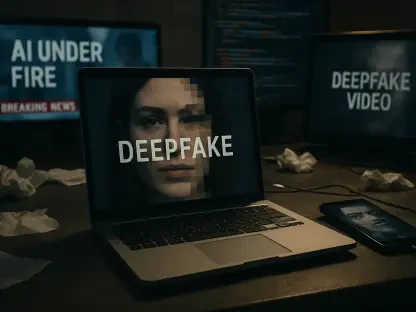
Regulatory and ethical concerns also pose a significant obstacle to widespread adoption. The ease with which realistic avatars can be created raises questions about digital identity and the potential for misinformation. While many platforms have implemented strict ethical guidelines and watermarking technologies, the industry is still grappling with how to maintain transparency. Furthermore, the high computational power required for real-time rendering continues to be a bottleneck, limiting the accessibility of the most advanced features for users with standard hardware.
The Future Trajectory of Generative Video
The future of this technology points toward near-instantaneous, interactive video generation that adapts to user input in real time. We are moving toward a reality where video is no longer a static file, but a living asset that can change its content based on the viewer’s environment or responses. This will likely lead to breakthroughs in immersive storytelling, where the boundary between a traditional film and an interactive game becomes nearly invisible. The long-term impact on society will be a total democratization of the visual medium, where anyone with a story can bring it to life with professional-grade fidelity.
Integration with Virtual Reality and Augmented Reality is also a logical next step. AI-generated video assets will provide the foundational elements for these immersive worlds, allowing for the creation of vast, detailed environments without the need for manual 3D modeling. As the technology matures, we can expect a shift in the labor market, where the role of the video professional evolves from a technician to a high-level creative strategist. The potential for these tools to enhance human expression is vast, provided that the industry navigates the upcoming ethical and technical challenges with care.
Conclusion and Final Assessment
The review of current AI video generation technologies demonstrated that the field transitioned from experimental novelty to a robust professional toolset. The analysis showed that the core pillars of synthesis—specifically text-to-video processing and visual consistency—reached a level of maturity that supported long-form, high-quality content production. It was observed that the primary strength of these platforms resided in their ability to democratize professional-grade video, allowing small organizations to compete with large-budget studios through automated localization and realistic avatar synthesis.
While certain limitations in emotional nuance and physical interaction persisted, the overall impact on the marketing and education sectors remained undeniably transformative. The synthesis of these insights suggested that the future of the medium would be defined by real-time interactivity and hyper-personalization. Ultimately, the state of the technology indicated that the creative objective has become the only remaining bottleneck in video production. This review concluded that the shift toward automated ecosystems was not just an incremental improvement but a fundamental rewrite of the digital communication landscape.