
A global leader in SEO, content marketing, and data analytics, Anastasia Braitsik is our Digital Marketing expert. With Google’s ad revenue recently soaring past $100 billion in a single quarter, it’s clear that search marketing is more powerful than ever. However, the old playbook of just

Beyond the Monolith: Unpacking the New AI Discovery Landscape The prevailing narrative celebrating ChatGPT as the uncontested victor in the artificial intelligence race has obscured a much more intricate and strategically significant reality emerging from user behavior. An extensive analysis of

For years, B2B marketing departments have championed creative campaigns that earned high praise and impressive engagement metrics, yet the executive suite often remained unconvinced, asking a simple but piercing question about their direct impact on the sales pipeline. This gap between creative

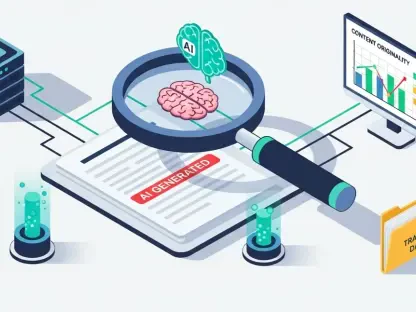
YouTube's declaration of war on low-effort, machine-generated content represents one of the most significant interventions by a major platform to preserve the integrity of its ecosystem in the face of generative AI. This initiative, aimed at curbing the flood of "AI slop," is not merely a policy

The rapid transformation of retail into a high-stakes media landscape has pushed legacy advertising systems to their breaking point, demanding a new architectural philosophy built for agility and control. The rise of Modular Retail Media Stacks represents a significant advancement in the retail and

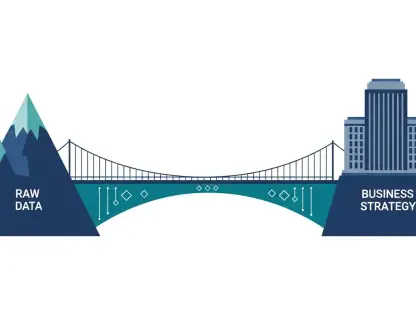
The end-of-quarter report presents a familiar, frustrating paradox where the sum of the parts is somehow greater than the whole; your channel-specific dashboards claim credit for revenue that exceeds the company's total earnings. This common discrepancy in marketing analytics is more than just a