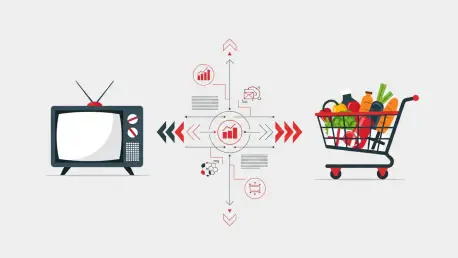

The convergence of streaming television and retail media has fundamentally altered how brands engage with consumers by bridging the gap between national awareness campaigns and local point-of-sale data. Currently, the retail media landscape has matured beyond simple banner ads on web pages into a sophisticated ecosystem where every television impression can be tied directly to a physical or digital checkout. The partnership between Target’s advertising arm, Roundel, and DirecTV represents a pivotal shift in this evolution, signaling a move toward more granular audience targeting that leverages first-party purchase history. By combining the vast viewership reach of a satellite and streaming provider with the behavioral insights of a major retailer, companies are now able to deliver ads that are not only relevant but measurable in real-time. This collaboration addresses a long-standing challenge in the marketing industry: the difficulty of attributing television ad spend to actual product movement in retail aisles.
Bridging the Gap: Living Rooms and Store Aisles
Precision: Targeting Through Shared Data
This alliance operates by syncing anonymized shopper data with viewership patterns to create a comprehensive profile of consumer preferences and habits. When a household watches a specific program on DirecTV, Roundel provides the backend insights to determine if that household is likely to purchase specific grocery items or household essentials based on their Target transaction history. This level of precision eliminates the traditional “spray and pray” approach that has plagued television advertising for decades, allowing brands to allocate their budgets with surgical accuracy. Advertisers can now distinguish between a casual browser and a loyal brand advocate, tailoring the creative message to suit the viewer’s specific stage in the customer journey. Furthermore, this data-driven strategy ensures that viewers see more relevant content, which improves the overall user experience and reduces ad fatigue across various digital platforms.
Behavioral: Synchronizing Intent With Content
Beyond simple demographics like age or location, the integration focuses on intent-based triggers that predict future buying behavior with remarkable consistency. For example, if a customer frequently purchases organic produce and eco-friendly cleaning supplies at Target, the DirecTV ad server can prioritize commercials from sustainable brands during that user’s prime-time viewing window. This dynamic ad insertion technology is supported by cloud-based processing that matches data points in milliseconds, ensuring the right ad reaches the right screen at the most opportune moment. The result is a highly personalized television environment that mirrors the customization found in modern social media feeds but on a much larger and more immersive scale. Brands are increasingly moving their top-of-funnel budgets into these retail media extensions because the conversion rates often outperform traditional broadcast buys by significant margins.
Accountability: Measuring Impact and Success
Analytics: Closing the Performance Attribution Loop
One of the most significant advantages of this partnership is the ability to track the direct correlation between a television advertisement and a subsequent purchase. In the past, marketers relied on broad surveys and delayed sales reports to estimate the effectiveness of their TV campaigns, but the Roundel and DirecTV collaboration offers a more immediate solution. By analyzing “closed-loop” data, brands can see exactly how many people who saw an ad later added that item to their Target cart or purchased it in a physical store. This feedback loop allows for rapid optimization of creative assets and media placement, as advertisers can shift resources toward the strategies that are demonstrably driving the most revenue. This shift from estimated reach to verified sales transforms television from a mere brand-building tool into a high-performance engine for growth. The transparency provided by this model builds greater trust between retailers, platforms, and the manufacturing brands that fund these initiatives.
Outlook: Establishing the New Industry Standard
The integration of retail media into connected television environments established a new standard for how modern marketing campaigns were structured and evaluated. Organizations that successfully leveraged the Target and DirecTV partnership moved beyond traditional silos to create unified departments where media buying and retail sales worked in tandem. These companies focused on building robust internal data capabilities to better interpret the complex performance metrics provided by these large-scale advertising networks. Rather than viewing television as an isolated channel, savvy practitioners treated it as a vital component of a holistic omnichannel strategy that spanned the entire consumer lifecycle. Leaders in the space prioritized the creation of high-quality, shoppable video content that simplified the path to purchase for viewers who were already engaged with their favorite programs. Ultimately, the industry shifted toward a model where every marketing dollar was expected to deliver measurable results.