
Anastasia Braitsik has long been a defining voice in digital analytics, steering global brands through the complexities of data strategy with a focus on absolute purity and relevance. As the landscape evolves in 2026, the shift toward proactive data governance has become a cornerstone of successful marketing. We are sitting down with her to discuss a pivotal change in how we handle incoming traffic: the transition from exhausting “exclude-only” filters to a streamlined allowlist model. This shift isn’t just about technical settings; it’s about reclaiming the narrative of our data by focusing on what we know to be true rather than constantly reacting to external noise.
The transition from excluding spam one by one to an allowlist approach marks a significant philosophy shift in analytics management. From your perspective, how does this change the daily workflow for a data analyst who has spent years playing ‘whack-a-mole’ with malicious hostnames?
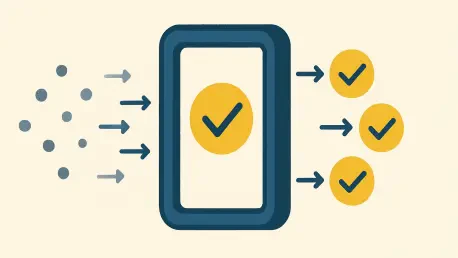
It is a massive relief for analysts who have spent years manually updating exclude lists that were only as good as the last threat spotted in their reports. By defining a list of approved hostnames, we effectively flip the script to a model where we only accept what we know to be legitimate, which is a much more sustainable way to operate. This simplifies configuration and ensures data integrity with minimal maintenance, finally freeing us from the endless, reactive cycle of chasing new sources of spam. It allows us to stop being digital janitors and return to being actual strategists who can trust that the numbers appearing on our screens are coming from our own domains.
Because active filters permanently alter incoming data, the stakes for a misconfiguration are incredibly high. Could you walk us through the sensory experience of moving a filter from ‘Testing’ to ‘Active’ and why that 24 to 36-hour window is so critical?
There is a distinct weight to clicking that “Active” button because there is no “undo” for the data that might be discarded; once it is filtered, those matching events are never processed and will never appear in your property or BigQuery. I always advise my team to lean heavily on the Testing state, which tags matching events with a specific “Test data filter name” dimension instead of dropping them entirely. You must navigate that 24 to 36-hour application window with a disciplined patience, checking your reports to ensure no critical production domains or vital subdomains were accidentally blocked. Seeing the test data flow in exactly as expected provides a huge sense of relief before you commit to a permanent change that affects your historical record forever.
The nuance of how this filter treats Measurement Protocol events versus events with no hostname at all is quite interesting. How do these technical distinctions help safeguard a property while still allowing for legitimate server-side tracking?
This specific logic is surgical, providing a robust shield without breaking the complex tracking setups many modern brands rely on to get a full picture of the customer journey. By ensuring Include filters are not applied to events sent from the Measurement Protocol, the system guarantees that our essential server-to-server data remains unblocked and reliable. Conversely, the decision to block events with no hostname—which is typically a sign of spam or abnormal traffic—is a bold move to clean up the “ghost” debris that often plagues gtag.js implementations. It feels like setting up a high-security checkpoint where legitimate guests with the right credentials pass through instantly, while those hiding their identity are immediately turned away at the gate.
As we look at the current trajectory of automated data governance, what is your forecast for the future of data integrity?
I anticipate that we will see data properties become even more self-healing, moving toward a future where manual filter updates are a thing of the past. We will likely see the integration of smarter, more granular controls that can automatically map out an entire digital ecosystem, including subdomains and third-party tools, without the current ambiguity we see in initial release notes. The era of manual spam-fighting is effectively over as we enter an age of total data sovereignty where the platform itself acts as a proactive guardian for the user. I expect that from 2026 and into 2027, these allowlist models will be the baseline for every serious marketer, making high-integrity data the default standard rather than a luxury you have to fight for.