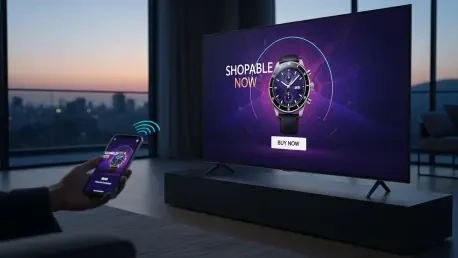

The traditional boundaries between digital entertainment and immediate commerce are dissolving as viewers transition from being static observers to active participants in a unified shopping ecosystem. This transformation is driven by the introduction of tools like the Dynamic TV Creative, which leverages complex algorithms to ensure that the content streaming into a living room is no longer a one-size-fits-all message but a tailored experience. By integrating high-definition video with real-time consumer data, platforms are now capable of serving advertisements that respond to the specific needs and histories of the individual watcher. This shift represents a move away from the broad-spectrum reach of traditional linear television, where millions saw the same commercial regardless of their actual interest or proximity to a retail outlet. Instead, the focus has moved toward a model where every impression is treated as a unique opportunity to provide relevance. This level of sophistication transforms the act of watching a favorite series into a potential discovery journey where products are not just seen but can be engaged with immediately, creating a seamless bridge between a moment of relaxation and a moment of purchase.
The Mechanics of Data-Driven Automation
At the core of this technological leap lies a robust utilization of first-party data that encompasses everything from past purchase history to real-time product availability in a viewer’s local area. By analyzing signals such as browsing habits and geographic location, the system can automatically modify headline copy and calls-to-action to align with where a customer stands in the marketing funnel. For a viewer who has never engaged with a specific brand, the ad might emphasize awareness and brand story, whereas a frequent shopper might see an “add to cart” button or a reminder that a preferred item is back in stock. This process occurs with zero additional lead time, allowing advertisers to provide a single set of core creative assets while the machine learning backend handles the intricate adjustments for millions of distinct sessions. Such automation removes the logistical hurdles that previously prevented large-scale personalization in video, making it possible to deliver highly specific messaging without requiring a massive team of editors or manual oversight for every variation. This ensures that the message remains timely, accurate, and highly relevant to the specific environmental and behavioral context of the household.
Bridging the Gap Between Branding and Conversion
One of the critical challenges in the deployment of automated creative has always been maintaining the visual standards of high-end brands while introducing interactive elements. Modern solutions address this by strictly avoiding the modification of a brand’s original imagery or core video assets, focusing instead on augmenting the experience with overlays like “send to phone” or “visit brand story.” This approach has garnered support from major advertisers like The Hershey Company, who recognize the value of keeping their carefully crafted aesthetic intact while gaining the benefits of interactivity. The effectiveness of these formats is not merely theoretical, as data indicates that interactive shoppable ads can generate purchase rates five times higher than those of traditional streaming campaigns. By providing viewers with immediate, low-friction ways to interact—such as clicking a button on a remote to receive a link on their smartphone—brands are able to capture intent at the peak of consumer interest. This strategic integration ensures that the advertisement serves as a functional extension of the shopping platform rather than an interruption to the viewing experience, creating a more symbiotic relationship between the content and the commerce it supports.
Evolutionary Steps for the Streaming Ecosystem
As the industry moved toward a fully connected television environment, the integration of live sports and premium channel inventory became the next logical step for shoppable technology. Decision-makers recognized that the era of passive consumption was ending, requiring a shift toward direct attribution and measurable engagement across all streaming surfaces. This transition necessitated a deeper commitment to integrating e-commerce capabilities directly into the playback interface, ensuring that the distance between seeing a product and owning it was reduced to a few clicks. Future strategies focused on expanding these tools beyond the initial rollout, allowing a wider range of businesses to participate in the real-time customization of their messaging. For brands looking to capitalize on this trend, the priority was established as a need to refine first-party data collection and optimize creative assets for modularity. By preparing for a landscape where every ad is a storefront, companies successfully bridged the gap between brand building and sales. This evolution proved that the merging of entertainment and commerce was not just a convenience but a fundamental restructuring of how audiences interact with digital media.