
Anastasia Braitsik stands at the vanguard of the digital transformation, blending a deep mastery of data analytics with a sophisticated understanding of human-centric content marketing. As a global leader in SEO and marketing strategy, she has spent years navigating the complex intersection of algorithmic precision and the nuanced art of brand storytelling. In an era where many fear that automation will strip the soul out of advertising, she champions a balanced approach that leverages computational power to enhance, rather than replace, the human experience. Her insights are particularly timely as major platforms move toward hyper-personalized ecosystems that demand both technical fluency and emotional resonance.
This conversation explores the strategic pivot toward AI-driven hyper-targeting and the critical need to maintain a “human touch” in a technology-heavy landscape. We delve into how modern marketing leaders are restructuring the relationship between sales and marketing teams by using real-time signals to redefine the very concept of a “lead.” Furthermore, the discussion touches on the cultural power of “fandoms” in sports and entertainment, highlighting how brands can tap into passionate communities to drive high-propensity engagement. From the specific logistics of high-stakes partnerships to the personal evolution of a marketer’s career, this interview offers a blueprint for navigating the future of the industry.
With the marketing landscape shifting toward automation, how is the integration of AI and diverse data sets fundamentally changing the way we identify and engage with hyper-targeted audiences?
The real magic happens when we stop looking at data as a static list and start seeing it as a dynamic conversation with hundreds of millions of people across different countries and industries. By blending our own first-party data with the rich insights gathered from media partners and various industry segments, we can move beyond broad demographics into a space of extreme precision. The primary objective here is to ensure that every media and campaign dollar is working as effectively as possible, reducing waste and increasing the relevance of our content. It isn’t just about reaching more people; it’s about reaching the right person at the exact moment they need a solution, using AI to refine those segments in real time. When you can tailor content so specifically that it feels like a personal recommendation rather than a generic ad, you see a massive shift in how those audiences engage with the brand.
There has long been a divide between sales and marketing departments, but you’ve suggested that AI might finally be the bridge that connects these two worlds. How does this technology transform a traditional lead into something more immediate and actionable?
We are witnessing a complete overhaul of the traditional sales funnel, moving away from cold leads toward what I call real-time signals and alerts. By giving our selling teams AI tools, they can see exactly how a customer is interacting with our marketing programs and content as it happens, allowing for a level of responsiveness that was previously impossible. This allows the sales team to suggest specific next actions and tailored follow-ups based on the customer’s actual behavior rather than a guessed persona. It strengthens the relationship between these two departments because they are finally working from the same playbook, one that is fueled by live data rather than historical assumptions. This shift turns marketing from a support function into a proactive partner that equips sales with the high-velocity intelligence they need to strategize and close deals more effectively.
The “Jobs Need People” campaign emphasizes that while AI can streamline processes, the core of hiring must remain human. How do you strike that delicate balance between using high-tech matching tools and maintaining the emotional warmth necessary for such a personal journey?
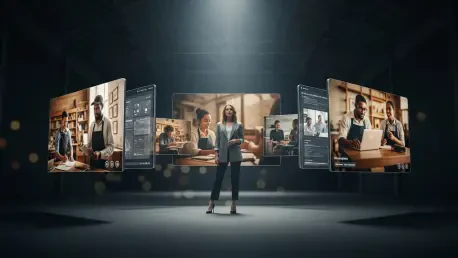
Searching for a new career path can be a brutal experience, often leaving both the employer and the job seeker feeling frustrated by a sea of résumés and a lack of real connection. Our collaboration with the creative agency 72andSunny was designed specifically to address this tension by featuring warm, sensory images of actual workers engaging with their colleagues and customers. We want the message to be clear: AI-powered matching tools are there to do the heavy lifting of finding the right fit, but the actual work—the passion and the interaction—is entirely human. This campaign serves as a vital reminder that technology should be a bridge that brings people together rather than a wall that keeps them apart. By showcasing a wide range of job functions in a way that feels authentic and grounded, we are proving that the most advanced tech in the world is only as good as the human relationships it facilitates.
Sports partnerships and the concept of “fandom” seem to be a major pillar of modern brand strategy. What is it about these passionate communities that makes them such a fertile ground for engagement, especially with events like the FIFA World Cup on the horizon?
Fandoms represent a unique ecosystem of like-minded people who aren’t just consumers; they are active participants who have an incredibly high propensity to share and generate their own content. Whether it is the billions of people following F1 or the dedicated supporters of Premier League teams like Brentford FC, FC Utrecht, and Eintracht Frankfurt, these audiences bring a level of energy that you just don’t find in traditional segments. We are leaning into this by partnering with FOX Sports to find a FIFA World Cup Watcher who will actually be paid a $50,000 salary just to watch every single game from a dedicated cube in New York’s Times Square. This kind of activation goes beyond traditional sponsorship because it creates a story that the fandom can follow and participate in, making the brand a part of the cultural moment. Tapping into these communities allows us to foster a deep sense of belonging, which is the ultimate goal for any brand looking to build long-term loyalty and engagement.
As AI continues to disrupt the marketing profession, what should leaders be doing to ensure their teams aren’t just surviving the change but are becoming “AI-savvy” experts in their own right?
I feel very strongly that marketing is one of the professions being impacted most significantly by this technological wave, which means we have a responsibility to help our teams develop their own AI skills. I want every member of my team to be fluent in AI, possessing the right skills to build their careers as modern, digital-first professionals who aren’t afraid of the tools at their disposal. This involves creating an environment where learning is continuous and where we are constantly testing and learning new applications for artificial intelligence in our daily workflows. It’s not just about the technical ability to use software; it’s about developing a mindset that looks for ways to refine audiences and tailor content more intelligently. By investing in this fluency now, we are arming our marketers with the expertise they need to remain relevant and successful as the industry continues to evolve at a breakneck pace.
You began your career in sales before moving into product marketing at IBM. Looking back on that transition, what was the most important lesson you learned about the power of storytelling in a technical industry?
When I started out, I was that mouthy, pushy salesperson who was constantly telling the marketing teams that their content wasn’t resonating with the customers I saw every day. That friction eventually led me to IBM’s product marketing team, where I realized that the biggest challenge is translating complex, intimidating technologies into something that actually feels relevant to a non-technologist. I should have been more confident in my ability to tell a human story earlier on, as it took me some time to truly believe that my perspective as a salesperson was my greatest asset in marketing. The ability to listen to what a customer is actually saying and then turn that into a narrative that resonates on an emotional level is what separates great marketing from mere noise. It is about finding the “why” behind the technology and communicating it in a way that makes the person on the other end feel seen and understood.
What is your forecast for the role of AI in brand storytelling over the next five years?
In the next five years, AI will move from being a tool for efficiency to a co-creator that allows for “storytelling at scale,” where a single brand narrative can be automatically adapted into thousands of hyper-personalized versions without losing its emotional core. We will see the end of the one-size-fits-all television spot or billboard, replaced by content that adjusts its tone, imagery, and even its call-to-action based on the real-time emotional and professional state of the viewer. However, the most successful brands will be the ones that use this power to become more human, using the data to identify moments of “brutal” tension in a customer’s life—like the job hunt—and offering genuine support. The technology will handle the delivery and the matching, but the strategy will be driven by marketers who are more focused on empathy and community than ever before. We are entering an era where the most sophisticated algorithms will be used to protect and project the most basic human values: connection, belonging, and purpose.