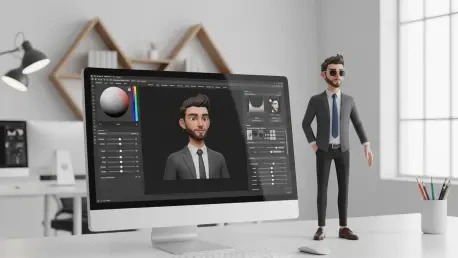

Digital avatars are currently disrupting the traditional landscape of brand ambassadorship by offering an unprecedented level of control and consistency that human creators simply cannot replicate. These photorealistic entities, powered by sophisticated generative models and neural networks, exist purely in the digital realm but command millions of followers across major social platforms. The shift toward these virtual personalities represents more than just a passing trend; it signifies a fundamental change in how marketing departments allocate their budgets and manage their long-term digital presence. As of 2026, high-fidelity character rendering has reached a point where differentiating between a real photograph and an AI-generated image is nearly impossible for the average user. This lack of friction allows for a seamless integration of these assets into daily feeds, where they act as persistent, reliable voices for the companies that own them. Instead of negotiating contracts with human talent, corporations are now developing proprietary virtual representatives that reflect their exact brand values without any risk of PR scandals or burnout.
The Technical Infrastructure: Powering Virtual Personalities
The underlying architecture of modern AI influencers relies on a complex integration of large language models and diffusion-based image generation that allows for near-instantaneous content production. Unlike traditional photography which requires sets, lighting, and physical presence, these digital creators can be rendered in any environment at any time, significantly reducing the overhead associated with high-quality visual marketing. This technical flexibility enables brands to react to real-time trends with a speed that was previously unattainable, allowing a virtual influencer to attend a global event or participate in a viral challenge within minutes of its inception. Furthermore, the integration of advanced motion capture and voice synthesis ensures that these avatars can provide a multi-sensory experience that feels increasingly authentic to the viewer. This level of technical sophistication means that the barriers to entry for creating a unique digital voice have dropped, leading to a crowded but highly innovative marketplace.
Beyond mere visual representation, the true power of automated influencers lies in their ability to analyze vast amounts of consumer data to tailor their messaging to specific demographics. Algorithms now track engagement patterns in real-time, allowing the AI to adjust its tone, appearance, and the products it promotes to maximize conversion rates across different platforms. This data-driven approach removes much of the guesswork from social media marketing, as every post is the result of rigorous testing and optimization rather than gut feeling. Moreover, the 24/7 nature of digital avatars means they can engage with global audiences across various time zones without the need for human intervention or rest. This persistent presence builds a sense of familiarity and trust with the audience, who begin to view these digital figures as reliable sources of information and entertainment. Consequently, the role of the social media manager is shifting from content creator to content curator, overseeing the broad strategic direction.
Strategic Implementation: Integrating Automation into Brand Identity
Deploying an AI influencer requires a strategic approach that balances the efficiency of automation with the necessity of maintaining a relatable and human-like persona. Brands must carefully craft the backstory, personality traits, and values of their digital representatives to ensure they resonate with their target audience on a psychological level. This involves more than just selecting a visually appealing avatar; it requires deep narrative development to create a character that feels alive and has a distinct perspective on the world. When executed correctly, these virtual entities can become iconic symbols of a brand, much like a mascot but with the dynamic capabilities of a real human. The ability to control every aspect of the influencer’s life ensures that the brand message is never diluted or misinterpreted, providing a level of brand safety that human influencers can rarely guarantee. However, this total control also carries the risk of appearing overly manufactured, which can alienate savvy consumers who crave authenticity.
The transition toward automated social media marketing necessitated a thorough reevaluation of how companies engaged with their digital communities through virtual representatives. Marketing teams found that the most effective strategy involved using these AI tools to handle repetitive content tasks while focusing human creativity on long-term storytelling and ethical oversight. Organizations that successfully integrated these avatars reported a significant reduction in production costs and an increase in the agility of their global campaigns. It became clear that while AI could automate the delivery and optimization of content, the core values and mission behind the brand remained a human responsibility. Moving forward, the industry prioritized the development of transparent disclosure standards to ensure that audiences were aware of the synthetic nature of the influencers they followed. Ultimately, the successful automation of social media marketing through AI required a delicate balance between technical efficiency and the enduring power of human narratives.