
The massive digital canvases towering over city intersections have undergone a fundamental metamorphosis from static fixtures into hyper-responsive data terminals that communicate in real time with the digital ecosystem. This shift represents a convergence where the physical permanence of traditional billboards meets the surgical precision of automated buying systems. By adopting programmatic digital out-of-home (pDOOH) frameworks, brands moved away from the era of rigid, long-term manual contracts and toward a landscape defined by software-driven flexibility. This modernization is not merely a technical upgrade but a reimagining of how public space serves as a bridge between the physical world and personalized marketing journeys.
The Evolution of Outdoor Media: From Static to Programmatic
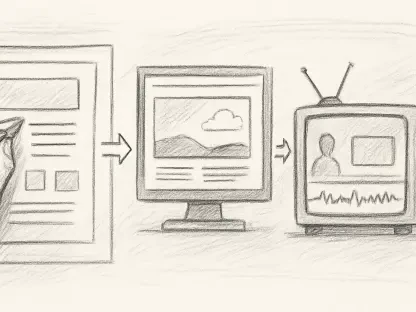
Historically, outdoor media functioned as a “one-to-many” broadcast medium with limited accountability and high entry barriers. The introduction of real-time bidding (RTB) changed this dynamic by allowing advertisers to bid on individual impressions based on specific conditions rather than buying a flat block of time. This transition enabled a more efficient allocation of capital, as inventory is now selected through data-driven algorithms rather than broad geographic assumptions. Consequently, the medium has become a high-intent component of the digital funnel, providing a tangible touchpoint that reinforces online messaging.
The relevance of pDOOH in the broader technological landscape lies in its ability to bridge the gap between offline and online environments. While traditional billboards were often ignored as background noise, programmatic systems allow for a level of agility previously reserved for mobile or desktop ads. This shift toward automated workflows has democratized access to premium outdoor spaces, allowing smaller players to compete for visibility alongside global giants. The result is a more vibrant and competitive marketplace that rewards strategic relevance over deep pockets alone.
Core Components and Technical Features of pDOOH
Data-Driven Triggering and Contextual Relevance
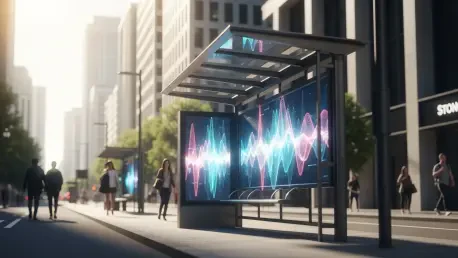
At the heart of pDOOH lies the ability to utilize environmental triggers to dictate content delivery. Whether it is a sudden downpour prompting an ad for ride-sharing services or a spike in local pollen counts triggering allergy medication promotions, the technology ensures messaging is always contextually relevant. This active occupancy model drastically reduces ad fatigue by providing consumers with information that matches their immediate surroundings. Unlike passive displays, these smart screens capitalize on the “moment of truth,” increasing engagement by aligning the visual narrative with the viewer’s current state of mind.
Programmatic Integration and Multi-Channel Synergy
Integration into Demand-Side Platforms (DSPs) has allowed media buyers to manage outdoor inventory alongside mobile and social campaigns. This synergy is crucial because it enables a seamless narrative that follows a user from a highway billboard to their smartphone screen through retargeting based on proximity data. The technical capability to synchronize these channels ensures that a brand remains top-of-mind throughout the entire consumer journey. This multi-layered approach provides a level of frequency and reach that isolated digital channels often struggle to achieve in a fragmented media landscape.
Emerging Trends in Creative and Media Workflows
The shift in media planning has forced a reorganization of how creative and media teams collaborate. Instead of designing a single visual for a month-long run, teams now focus on dynamic creative optimization (DCO), which allows visual elements to adapt in real time to shifting variables. This layered approach requires a more sophisticated understanding of how visual content interacts with lighting, traffic speed, and dwell times. Modern planners must look past simple traffic counts and instead analyze granular audience movement patterns to determine the optimal moment for a high-impact display.
Real-World Applications and Industrial Impact
Practical applications are already reshaping industries like retail and transit. For example, coffee brands can now program their ads to peak during morning commutes and then automatically switch to snack options as the afternoon lull approaches. In transit hubs, high-density foot traffic data allows infrastructure providers to deliver timely messaging that responds to flight delays or train schedules. These reactive campaigns demonstrate the utility of pDOOH in urban environments, where the ability to adjust to sudden shifts in temperature or local events can define the success of a regional promotion.
Technical Hurdles and Market Obstacles
Despite these advancements, the industry faces significant technical hurdles regarding standardization. The lack of a unified protocol across global platforms and hardware providers often creates friction for international campaigns. Furthermore, measurement and attribution remain far more complex than the straightforward click-through metrics found in web advertising. Privacy regulations regarding audience movement data also necessitate a cautious approach to how public space is monitored. Industry leaders are currently working toward establishing benchmarks that provide better ROI tracking without compromising anonymity.
Future Outlook and Technological Trajectory
Looking ahead, the trajectory of pDOOH points toward deeper integration with augmented reality (AR) and computer vision. These breakthroughs could soon allow for real-time audience sentiment analysis, enabling screens to adjust their tone based on the collective mood of the onlookers. As automation becomes the standard, the obsolescence of static paper billboards seems inevitable. The eventual total transition to digital inventory will allow every outdoor surface to become a responsive asset, fully integrated into the high-intent segment of the marketing ecosystem.
Assessment of pDOOH Maturity
The maturation of pDOOH proved that physical assets could indeed possess the accountability of digital platforms. The industry recognized that billboards were no longer just passive background elements but were essential storytelling tools. Stakeholders identified that the integration of contextual triggers provided a clear path toward higher consumer engagement. Ultimately, the successful deployment of these technologies established a new standard where relevance and intent dictated the value of every impression. This evolution secured the position of outdoor media as a vital, data-rich pillar of the modern advertising strategy.