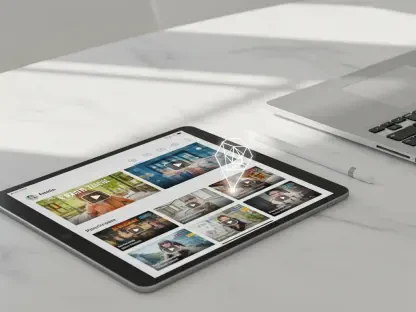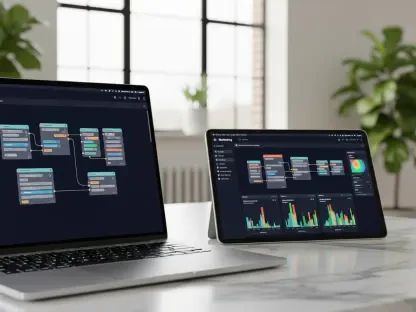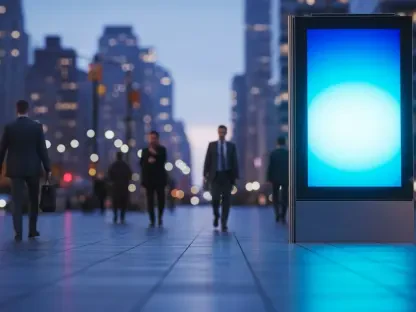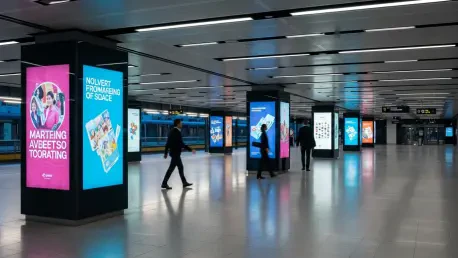

The traditional barrier between digital design studios and the physical world has effectively vanished as software ecosystems absorb the hardware-heavy logistics of out-of-home media. Marketing teams currently face a landscape where visual communication platforms have become the backbone of corporate identity, yet the delivery of these visuals to the real world remains fragmented. Digital Out-of-Home (DOOH) advertising represents the final frontier for these platforms, providing a tangible link between the digital production suite and the high-traffic environments where consumers actually live and work. As distribution adjacency becomes the new gold standard, software providers are looking to eliminate the friction that historically separated the artist from the billboard operator.
Modern adtech software now plays a vital role in managing high-traffic environments like retail hubs and transit centers, where content must be both dynamic and contextually relevant. The significance of this shift lies in the ability of centralized platforms to govern the entire creative lifecycle without relying on third-party intermediaries. By integrating DOOH infrastructure, design platforms are no longer just tools for creation; they are becoming the operating systems for the physical world, allowing brands to synchronize their digital messaging with real-world displays in real time.
The Convergence of Creative Software and Digital Out-of-Home Infrastructure
The global advertising ecosystem is undergoing a radical shift where the ability to design an asset is no longer the primary competitive advantage for modern marketing teams. Visual communication platforms are increasingly moving toward distribution adjacency, seeking to control not just the pixels on the screen but the actual delivery mechanism to physical displays. This convergence marks the transformation of DOOH from a niche media buy into a critical bridge between cloud-based production and urban infrastructure.
Market players are recognizing that the bridge between digital production and physical displays is where the most significant value is captured. Adtech software now manages the complexities of diverse screen networks, ensuring that content intended for a subway station looks as sharp and professional as it does on a desktop monitor. This movement toward a unified tech stack reduces the complexity of managing high-traffic environments, making physical advertising as accessible as a social media post.
Strategic Drivers Behind the $30 Million Adtech Expansion
Emerging Trends in Content Operations and Creative Velocity
The industry has moved beyond the simple act of asset creation, identifying automated distribution as the primary bottleneck for large-scale marketing campaigns. This shift has birthed the create-and-operate hybrid model, which prioritizes marketing agility by allowing teams to push updates across global networks with a single click. When a brand can react to a viral trend or a sudden change in weather by updating its physical signage instantly, the value of the creative asset increases exponentially.
Moreover, the monetization of physical spaces through retail media growth has turned every storefront and kiosk into a potential revenue stream. The out-of-phone trend demonstrates how viral digital content is transitioning to real-world screens, creating a feedback loop between social media and urban centers. This high creative velocity ensures that brands stay relevant in a fast-paced environment where static advertising no longer captures the attention of the modern consumer.
Market Growth Projections and Doohly’s Operational Performance
Evaluating the performance of specialized players in this space reveals a high demand for infrastructure that can handle massive scale without compromising quality. Supporting over 100 networks and processing one billion creative assets monthly has become the baseline for enterprise-grade software. The significance of maintaining a 100% client retention rate in the enterprise sector cannot be overstated, as it reflects the deep integration of these tools into the operational DNA of major corporations.
Forecasting the trajectory of these integrated design-to-distribution workflows suggests a future where physical networks are managed with the same granularity as programmatic web ads. Performance indicators for DOOH synchronization now track how well creative variants are localized across global networks, ensuring that a message in London is just as relevant as one in Sydney. This level of synchronization is essential for brands that want to maintain a consistent global voice while speaking to local audiences.
Technical Obstacles and Operational Complexities in Screen Management
Despite the advancements in software, the fragmentation between creative teams and media operations remains a significant hurdle. Trafficking and governing hundreds of creative variants often lead to a bottleneck effect, where the speed of production outpaces the speed of deployment. Solving this requires a fundamental rethink of how assets are tagged, approved, and scheduled, moving away from manual processes toward automated CMS and player software.
Hardware synchronization presents its own set of challenges, as content must function across diverse environments with varying technical specifications. Ensuring that a video plays smoothly on a high-definition retail screen while also appearing correctly on a low-bandwidth transit display requires robust player technology. Overcoming the friction of manual scheduling through automation allows teams to focus on strategy rather than the technical minutiae of screen management.
Navigating the Regulatory Landscape and Brand Safety Standards
As digital signage becomes more prevalent, the impact of local regulations on urban environments and transit centers has intensified. Compliance with these standards is not just a legal necessity but a fundamental aspect of brand safety. Automated workflows must include strict governance and version control to ensure that only approved content reaches the public eye, preventing errors that could damage a brand’s reputation or violate municipal ordinances.
Centralized oversight is the primary defense against the risks associated with high-frequency content updates. In an environment where messaging can change by the hour, the ability to audit every change and verify compliance with data privacy standards is paramount. This level of control ensures that reporting and performance measurement are accurate, providing a clear picture of how physical ads are contributing to the overall marketing strategy.
The Future of Physical Advertising as a Dynamic Software Channel
The boundaries between design software and adtech are expected to dissolve completely, turning physical advertising into a dynamic software channel. AI-driven creative production will necessitate even smarter distribution layers capable of making real-time decisions about which content to display based on environmental triggers. This shift from static media buys to programmable software channels represents a major disruption in how space is bought and sold.
Future growth areas will likely focus on retail trade synchronization and hyper-localized messaging, where digital screens react to in-store inventory levels or local events. This level of integration will allow brands to deliver highly relevant messages that drive immediate action, turning a simple digital sign into a sophisticated sales tool. The scalability of these systems will be the defining factor for companies looking to dominate the physical advertising space.
Synthesis of the Acquisition’s Impact on the Advertising Lifecycle
The integration of DOOH capabilities into the broader creative ecosystem redefined the modern marketer’s workflow by closing the gap between ideation and physical presence. Brands that successfully navigated this transition prioritized data integration and developed robust variant systems that allowed them to scale their creative output without increasing operational overhead. This shift facilitated a more agile approach to marketing, where real-world assets were managed with the same precision as digital campaigns.
Platforms that managed the entire lifecycle of creative assets provided a level of scalability that was previously unattainable for most brands. Investment perspectives shifted toward these integrated ecosystems, as they offered a clear path to maximizing the ROI of every creative asset. Ultimately, the fusion of design and distribution software set a new standard for the industry, ensuring that the physical world remains as dynamic and responsive as the digital one.