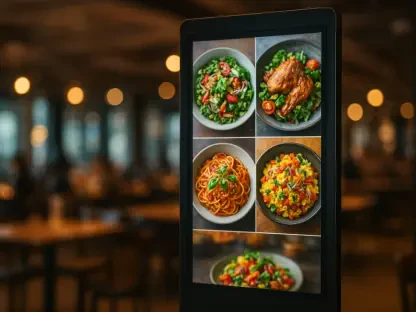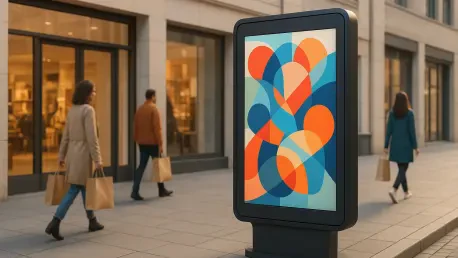

By pairing digital street furniture with TikTok and Snapchat content, the Apetina brand saw its incremental store visit rate jump from 7% to 29% in just a few months. This remarkable growth is detailed in a new study conducted by VIOOH and Arla Foods, which examines how programmatic digital out-of-home (pDOOH) advertising acts as a measurable performance driver. The research analyzed nine different campaigns across Norway, providing a robust dataset for understanding current consumer behaviors. Instead of relying on traditional metrics like estimated impressions or brand recall, the study utilized advanced tracking to prove that digital screens in the physical world drive immediate retail action. This shift in strategy highlights the increasing importance of street-level digital media as a core component of high-performance campaigns. As the market evolves, the ability to connect digital ad exposure directly to physical store visits has become the ultimate benchmark for success in the modern retail environment.
Analyzing the Performance of Programmatic Media
Measurement Strategy: Tracking the Consumer Journey
The methodology behind these findings relied on Foot Traffic Attribution (FTA) studies conducted by specialists at Spotzi and JCDecaux. By establishing virtual boundaries, or geofences, around digital advertising screens and specific retail locations, researchers were able to track anonymous mobile signals as they moved through urban environments. This process allowed for a precise measurement of the journey from ad exposure to actual store visitation. To ensure accuracy, the data was compared against a control group of consumers who were not exposed to the advertisements, thereby isolating the lift or incremental increase in activity directly attributable to the pDOOH campaign. This rigorous scientific approach eliminates much of the guesswork previously associated with outdoor advertising. By leveraging real-time data streams and location services, marketers can now see exactly how their creative assets influence foot traffic patterns, providing a level of accountability that was once reserved for digital platforms.
Real-Time Impact: The Forty-Eight Hour Window
A critical finding from the Arla Foods analysis was the surprising immediacy of the medium’s impact on consumer behavior. On average, the time elapsed between a shopper seeing an advertisement on a digital screen and visiting a store was less than 48 hours. This indicates that pDOOH serves as a potent real-time nudge for individuals who are already out of the house and in a purchasing mindset. Unlike television or desktop advertising, which often catch consumers in a passive state, street-level digital furniture reaches people while they are actively navigating their daily routines. This proximity to the point of purchase significantly shortens the conversion funnel. For brands in the fast-moving consumer goods sector, this 48-hour window is vital for influencing spontaneous buying decisions. The study proves that when an ad is delivered at the right time and place, it can trigger a nearly instantaneous response. This level of responsiveness makes programmatic outdoor media an essential tool for brands looking to capitalize on local habits.
Strategic Growth Through Diverse Brand Campaigns
Optimized Engagement: Seasonal Relevance and Social Synergy
The effectiveness of pDOOH was further enhanced when campaigns were tailored to seasonal demands and specific consumer segments. For example, the Starbucks Tripleshot campaign initially achieved a modest 5% lift in the spring, but this figure surged to an impressive 41% during the summer months. This growth was driven by weather-responsive planning that capitalized on the increased demand for cold beverages during heatwaves. Similarly, the Castello brand, which focused on premium gifting, experienced a massive 71% lift during the Christmas season by targeting high-income households in affluent areas. These results demonstrated how programmatic technology allowed for dynamic adjustments based on external factors like temperature or holiday calendars. By utilizing Dynamic Creative Optimization (DCO), advertisers updated their messaging in real-time to ensure it remained relevant. This agility ensured that marketing budgets were spent more efficiently, as ads were only displayed when they were most likely to resonate and drive a visit.
Omnichannel Success: Integrating Digital and Physical Assets
Integrating programmatic digital out-of-home media with other digital channels like mobile and Connected TV (CTV) created a cohesive omnichannel strategy that significantly boosted overall campaign performance. Industry data suggested that exposure to outdoor advertising enhanced the effectiveness of social media ads, increasing consumer attention by an average of 37%. This priming effect was evident in the Apetina campaign, where the combination of street-level screens and social platforms led to a dramatic increase in store visits. Consequently, nearly 89% of Nordic marketers reallocated budgets from traditional digital channels toward pDOOH. To capitalize on these trends, companies realized they should prioritize the integration of pDOOH into their existing Demand-Side Platforms (DSPs). This move allowed for the instant shifting of budgets and provided a brand-safe environment. The study provided a blueprint for standardizing performance metrics across all physical touchpoints to ensure marketing efforts remained focused on driving tangible results.