
While digital algorithms often dictate what fans see on their screens, the most influential sports brands are now reclaiming the physical landscape to forge deeper, more permanent connections with their audiences. This transition from traditional broadcasting to immersive, “In Real Life” storytelling represents a fundamental shift in sports marketing. By utilizing out-of-home media as a cornerstone, organizations are maintaining fan engagement throughout the year, far beyond the constraints of a standard season or a single stadium event.
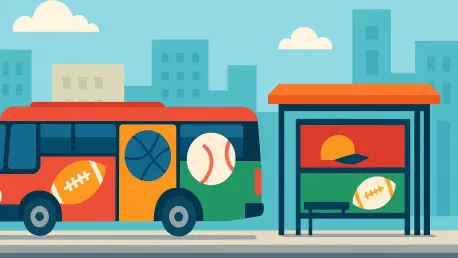
Major market players like the New York Jets and Outfront are currently redefining the sports advertising ecosystem through high-impact visual assets. Their strategy leverages expansive transit networks to establish regional brand dominance, ensuring that the team’s presence is felt in subways, buses, and on roadside billboards. This comprehensive physical presence transforms the city itself into a canvas for the team’s narrative, making the brand a constant companion in the daily lives of the metropolitan population.
The Convergence of Physical Engagement and Professional Sports Marketing
The modern marketing landscape has moved toward a model where physical touchpoints are as vital as the digital experience. Professional sports teams are no longer content with limited television spots; instead, they are investing in regional transit displays that capture the attention of commuters during their most habitual moments. This approach creates a sense of ubiquity, where the brand becomes an inseparable part of the urban environment, driving a level of psychological familiarity that digital ads rarely achieve.
Moreover, the integration of these physical assets allows for a narrative that flows through the city. By strategically placing advertisements along major transit arteries, brands can ensure they reach a diverse demographic that might otherwise tune out digital marketing. This creates a multi-channel experience where the physical world serves as the primary entry point for a fan’s journey, ultimately strengthening the emotional bond between the community and the sports franchise.
Driving the Renaissance of Out-of-Home Advertising
Shifting Consumer Sentiments and the Rise of Immersive Tech
As digital fatigue becomes more prevalent among modern audiences, there is a distinct consumer pivot toward real-world experiences that offer tangible engagement. Gen Z and Millennials, in particular, are prioritizing physical brand activations that feel authentic and lived-in rather than polished social media campaigns. This preference has pushed marketers to integrate dynamic content and real-time data into modern out-of-home platforms, allowing for a more responsive and interactive advertising experience.
Bridging the gap between physical touchpoints and digital convenience is now a primary objective for advertisers. By incorporating QR-based interactivity, a simple billboard can instantly become a portal to exclusive content or mobile commerce. This blend of physical scale and digital utility addresses the need for immediate gratification while maintaining the high-impact presence of a traditional advertisement, creating a seamless loop of consumer interaction.
Quantifying the Growth of the IRL Media Market
The financial trajectory of this sector remains impressive, with global out-of-home ad spending projected to reach $56.4 billion this year. Statistical insights reveal a significant shift in audience favorability, as approximately 73% of consumers report a preference for digital out-of-home media over traditional television or social media advertisements. This favorability is rooted in the non-intrusive nature of public media, which complements the urban landscape rather than interrupting the user experience.
Multi-channel physical campaigns are now evaluated through sophisticated performance indicators that track reach and frequency with increasing precision. Long-term growth forecasts from 2026 to 2028 suggest that experiential and transit-based advertising will continue to outpace traditional formats. This growth is fueled by a desire for advertisers to occupy the physical spaces where consumers spend the majority of their time, ensuring that the brand remains a constant fixture in a fragmented media world.
Navigating the Hurdles of Attribution and Physical Scale
One of the most persistent challenges in this field is the measurement gap, which makes it difficult to track direct conversions in non-digital spaces. Unlike a web link, a physical billboard does not provide an immediate click-through rate, forcing marketers to develop robust ecosystems to quantify brand relevance. These systems often rely on secondary data points, such as mobile location data and search volume spikes, to estimate the long-term impact of a physical campaign on consumer behavior.
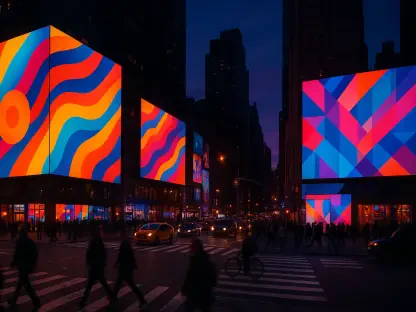
Furthermore, the logistical and environmental complexities of large-scale physical deployments cannot be understated. Coordinating a consistent message across fragmented metropolitan transit networks requires meticulous planning and a deep understanding of local demographics. Brands must ensure that their messaging remains coherent while adapting to the unique visual constraints of different public hubs, ranging from digital screens in transit centers to massive static wraps on skyscrapers.
The Regulatory Landscape and Industry Standards for Public Media
Operating in the public eye requires strict compliance with municipal zoning laws and digital billboard brightness regulations. These standards are essential for maintaining public safety and ensuring that large-scale advertisements do not become a nuisance to the local community. Advertisers must balance their desire for high visibility with the ethical responsibility of being a good neighbor in the urban environment, which often involves navigating complex legal frameworks that vary significantly between cities.
Data privacy remains another critical consideration, particularly regarding location-based mobile tracking and QR code engagement. As physical advertisements become more interactive, protecting the personal information of the audience is paramount to maintaining public trust. Security measures for digital infrastructure in transit and public hubs are also a priority, as these systems must be defended against potential cyber threats to ensure that public storytelling remains both safe and effective.
The Future Blueprint: Expanding IRL Strategies Beyond the End Zone
The potential for IRL media extends far beyond the realm of sports, with emerging opportunities in the B2B and corporate sectors. The “Conference Connect” model suggests that entire host cities can be transformed into immersive brand environments for major industry events. This strategy allows companies to surround their target audience with a cohesive narrative that starts at the airport and continues through the transit network to the convention center, maximizing the impact of their presence.
Emerging technologies like augmented reality integration and AI-driven hyper-local content delivery are set to further enhance these physical experiences. Imagine a transit station where the advertisements change in real-time based on local event data or weather conditions, providing hyper-relevant information to travelers. This evolution positions sports and corporate brands as 365-day lifestyle constants, maintaining a physical presence that adapts to the needs and interests of the community at any given moment.
The Verdict on IRL Media as a Sustainable Advertising Pillar
The industry successfully recognized that the New York Jets’ model served as a scalable template for global brands seeking deeper resonance. Marketers discovered that physical immersion provided a necessary counterbalance to digital saturation, allowing for more meaningful connections with a diverse audience. This realization led to increased investment in transit-based media and experiential activations that prioritized long-term brand equity over short-term digital metrics.
Investors who prioritized the growth of the IRL sector positioned themselves to capitalize on the unique durability of physical advertising assets. The strategic recommendations centered on the idea that brands must occupy physical space to remain culturally relevant in an increasingly virtual world. As the market matured, the long-term viability of experiential out-of-home media became clear, proving that the most effective way to reach a fan’s heart was to meet them exactly where they lived and traveled.