
While personal digital devices continue to suffer from significant ad-blocking and fragmented user attention, the physical landscape has quietly transformed into a high-definition network of unskippable brand narratives. This evolution represents a fundamental shift from the static billboards of the past to a ubiquitous, tech-driven digital infrastructure that permeates the modern urban environment. As consumers grow increasingly weary of intrusive mobile advertisements, they are showing a renewed interest in public screens that offer high-quality visual content without the need for an opt-in.
The geographic expansion of these digital networks has ensured that localized reach is no longer limited to major metropolitan centers but extends deep into secondary markets. Key market players have aggressively transitioned toward these dynamic formats, allowing for a cross-sector influence that impacts everything from retail to transit. This resilience is fueled by a massive investment in screen quality and connectivity, ensuring that the medium remains a dominant force in the global advertising budget.
The Resilience and Transformation of Modern Out-of-Home Media
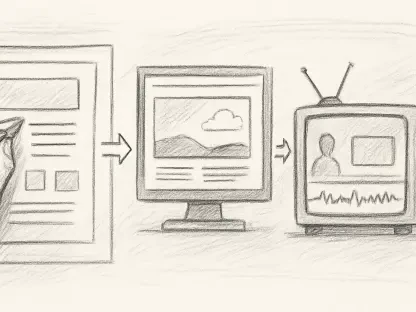
The transition from traditional paper posters to high-resolution digital displays has allowed the industry to maintain its relevance in a rapidly changing media world. This ubiquitous infrastructure provides a consistent presence in the lives of consumers, offering a level of permanence that fleeting digital ads cannot replicate. By dominating the physical space, these networks have successfully captured the focus of an increasingly mobile and active population.
Modern digital displays allow for a level of flexibility and speed that was previously impossible, enabling brands to update their messaging in response to real-time events. This geographic spread across various regions ensures that high-impact visibility is maintained at every touchpoint of a consumer journey. Consequently, the influence of these displays now reaches far beyond simple brand awareness, shaping the very fabric of how public spaces are perceived and utilized.
Examining Behavioral Trends and Quantifiable Market Success
High-Intent Environments: The Surge in Consumer Noticeability
Real-world movement during daily commutes and grocery shopping creates premium windows for brand engagement that digital platforms often struggle to provide. When individuals are navigating their surroundings, they are in a state of heightened awareness that makes them more receptive to information regarding their immediate environment. This psychological alert state ensures that brand messages are not just seen but are actively processed by the viewer.
The correlation between weekly routines and advertisement recall has become a cornerstone of modern campaign planning for major brands. Because these ads appear during frequent habits, such as the 86 percent of the population visiting grocery stores weekly, the resonance of the message is significantly amplified. This contextual relevance allows brands to integrate themselves naturally into the consumer lifestyle, increasing the likelihood of long-term influence.
Performance Benchmarks: The Transition to Full-Funnel Marketing
Recent data indicates a noticeability rate of 77 percent among the general public, marking a significant upward trajectory for engagement metrics. This growth has transformed the medium into a full-funnel marketing solution that drives direct actions, including immediate retail foot traffic and subsequent online search spikes. Projections for the period from 2026 to 2028 suggest that these digital displays will command an even larger portion of global marketing spend.
The link between exposure and action is quantifiable, with a high percentage of viewers likely to visit a store or engage with interactive elements like QR codes. This transition away from purely top-of-funnel awareness toward measurable conversion data has solidified the role of public screens in the modern sales cycle. As the ability to track these secondary conversion metrics improves, the effectiveness of the medium becomes undeniable for performance-focused advertisers.
Overcoming Infrastructure Limitations: Strategic Placement Hurdles
Maintaining expansive hardware networks across diverse and often harsh environments presents significant technical hurdles for media owners. Ensuring the reliability of thousands of screens requires a robust backend system that can handle real-time content delivery and hardware diagnostics. Operators must also navigate the complexity of planning tools that are often fragmented across different regions and proprietary platforms.
Strategically balancing the frequency of digital rotations with the presence of classic static formats is essential to prevent viewer fatigue and ensure market saturation. Successful placement requires a deep understanding of local traffic patterns and viewer dwell times to maximize the impact of every second of airtime. Achieving creative continuity between these large-scale displays and the personal devices of passersby remains a primary challenge for modern strategists.
Governance, Privacy Standards: Ethical Deployment in Public Spaces
The regulatory landscape regarding data collection in public domains has become increasingly complex, requiring a transparent approach to audience measurement. Industry standards are being established to ensure that the methods used to track noticeability and foot traffic remain anonymous and respectful of individual privacy. Maintaining this level of accountability is vital for preserving the trust of the public as digital displays become more interactive.
Environmental considerations have also come to the forefront, with new regulations targeting energy consumption and light pollution in high-density urban areas. Advertisers are now prioritizing hardware that minimizes ecological impact while still delivering high-impact visuals. Furthermore, ensuring the security of these digital networks against unauthorized access is a top priority to protect the integrity of the brand messaging and public infrastructure.
Anticipating the Next Wave: Innovation in Contextual Advertising
The integration of augmented reality and interactive triggers is set to turn passive viewing into a deeply immersive consumer experience. Programmatic buying platforms are evolving to allow artificial intelligence to optimize creative content in real time based on environmental triggers like weather or local crowd density. This level of hyper-personalization will enable brands to deliver the right message at the absolute peak moment of relevance.
Future growth areas are expected to emerge in non-traditional environments, including transit hubs and healthcare facilities, where audience dwell times are naturally higher. The synchronization between mobile devices and public screens will allow for a seamless transition from a public message to a private transaction. These market disruptors will continue to push the boundaries of how brands communicate with their audiences in the physical world.
Synthesizing Scale and Strategy: Maximum Brand Impact
The strategic integration of digital out-of-home media proved to be a vital asset in overcoming the limitations of an increasingly cluttered digital landscape. Decision-makers found that by leveraging multi-format ecosystems, they could bridge the gap between initial brand discovery and final purchase action. Organizations that prioritized high-quality public media realized that physical presence remained a more reliable driver of digital search behavior than traditional online banners.
This shift toward a more holistic approach to visibility ensured that brand narratives were woven into the daily routines of a mobile population. Success was achieved by those who viewed these public screens as a gateway to deeper consumer interaction rather than just a secondary awareness tool. Ultimately, the industry moved toward a future where the physical and digital worlds functioned as a single, unified platform for driving measurable consumer behavior.