
The finale of the city tour featured anamorphic visual effects on the CuBig screen, proving that large-format digital displays can handle complex, user-generated content at scale. This milestone event served as a catalyst for reimagining the relationship between urban dwellers and the advertisements that populate their daily environments. The initiative, themed around the question of whether a city could hear its inhabitants, transformed the skyline into a living dialogue. Moving away from the conventional strategies of media planning, the event invited professionals to view the metropolis as a cohesive, interactive narrative rather than a collection of disparate billboards. This shift underscores a profound change in the industry, where the focus has moved toward creating immersive experiences that place the audience at the very center of the brand story. By integrating advanced digital out-of-home technology, the tour illustrated how public spaces can be converted into personalized platforms that resonate deeply with viewers.
Dynamic Connectivity: Bridging Technology and Public Spaces
The journey began at the Cosmic Towers near KL Sentral, where the power of immediate recognition was put on display as participants encountered their own likenesses on massive dual-screen installations. This initial touchpoint demonstrated that digital displays can create an instantaneous connection with the viewer, setting a high standard for personalization. From there, the tour transitioned into the city’s intricate transit network, utilizing the LRT system and pedestrian walkways near KLCC to show how advertising can seamlessly integrate into the daily routines of the public. By strategically placing content in these high-traffic hubs, the demonstration highlighted the tactical advantage of engaging consumers during their most frequent commutes. The goal was to show that media is most effective when it follows the natural flow of human activity, becoming a background element that suddenly leaps to the forefront through relevance and high-impact visual delivery within the bustling city environment.
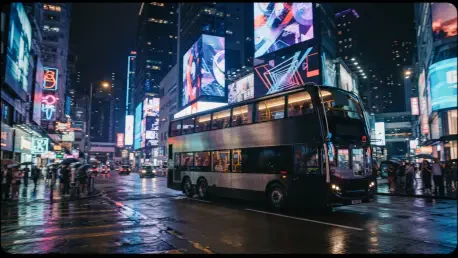
While traveling on a specialized double-decker bus, the participants were encouraged to engage directly with the technology by submitting selfies and personal messages through mobile interfaces. This data was not merely collected for analytics but was actively repurposed to be featured on the largest digital screen in Malaysia, located at the KLCC Junction. This phase of the experience highlighted the logistical capabilities required to manage real-time content across different platforms, transitioning from mobile devices to massive public screens without losing quality or momentum. The roving nature of the bus tour allowed attendees to witness the city’s digital infrastructure from a unique perspective, reinforcing the idea that the urban landscape is an interconnected web of opportunities. By bridging the gap between personal mobile usage and public display, the initiative showcased a hybrid model of communication that leveraged the strengths of both private and public media spheres for a more unified campaign.
The initiative successfully synthesized the concepts of real-time interaction and strategic placement, establishing a new benchmark for urban media campaigns. To stay competitive in this evolving landscape, media planners were encouraged to prioritize interactive frameworks that allowed for user-generated input, as this fostered a sense of ownership and community within the target audience. The tour demonstrated that the most effective way to utilize large-scale digital infrastructure was to prioritize the emotional and creative impact of the content over mere repetition. Advertisers recognized the need to leverage data-driven personalization to ensure their messages remained relevant to the specific demographics moving through city sectors at various times. By focusing on multi-sensory experiences and high-visibility displays, brands achieved a level of resonance that was previously impossible. This project proved that modern advertising successfully turned a public space into a private moment of engagement.